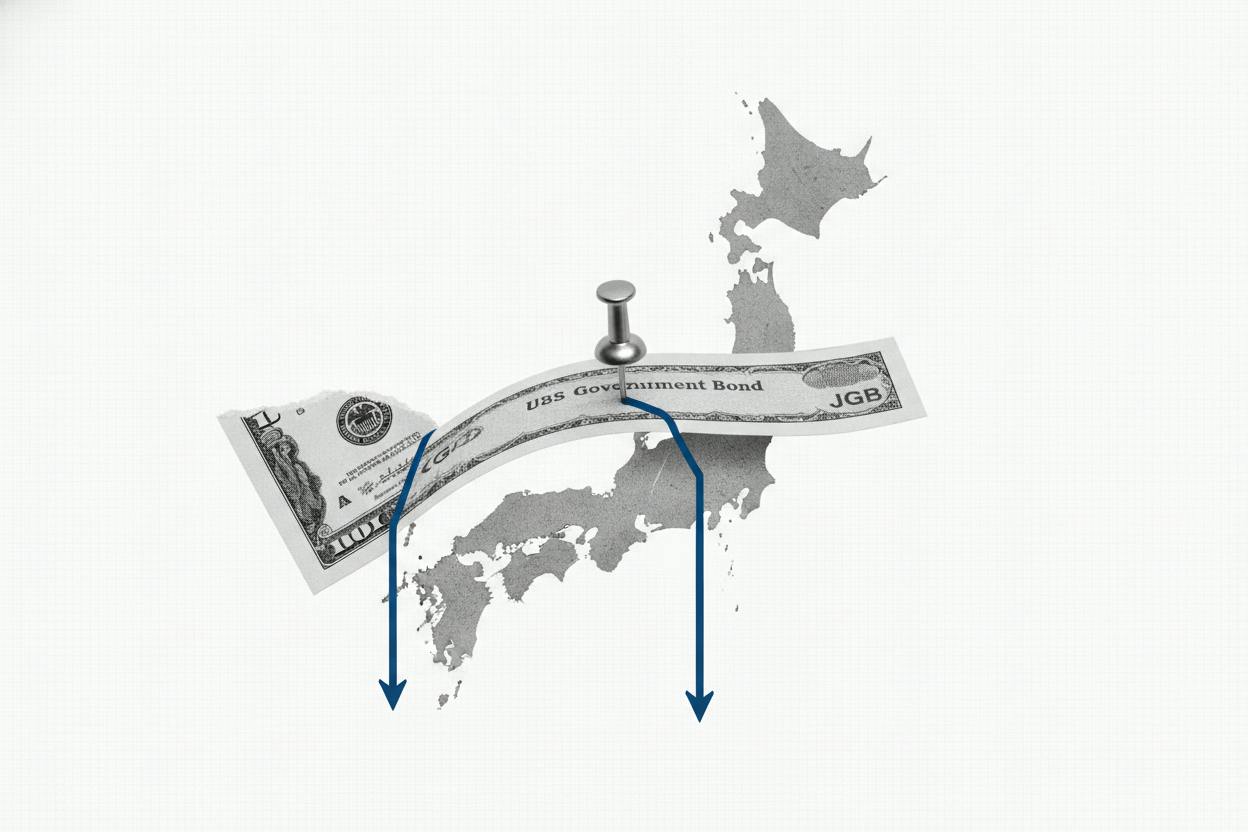
Japan's government-bond yields eased this week, with the 10-year yield slipping to 2.79%, after an overnight drop in US Treasury yields. The move reflects a broader trend: foreign investors have been stepping up their purchases of Japanese government bonds (JGBs), and their activity is increasingly shaping the market's direction.
According to flow data from the Japan Securities Dealers Association, compiled by Mizuho Securities, foreign investors bought a net 3.8 trillion yen of JGBs in October. The buying was led by more than 4 trillion yen of shorter-dated bonds, while they were net sellers of 170 billion yen of super-long debt. That split matters because the most actively traded parts of the market tend to react fastest to global moves.
Why JGBs are following US Treasuries
Analysts at Mitsubishi UFJ Asset Management, one of Japan's largest money managers, note that there haven't been many fresh domestic triggers for JGBs lately. Instead, the market has been taking its cue from overseas, especially US Treasuries. When US yields fall, as they did overnight, JGB yields often follow suit.
This dynamic has become more pronounced in recent weeks. Japan's 10-year yield has swung widely over the past six weeks, and longer maturities have also declined. The connection is straightforward: when bond prices rise, yields fall, and investors are comparing JGBs against the global bond market.
Foreign investors are now a key marginal buyer in the JGB market, meaning their trades often set the next price move. When overseas funds are active, JGBs tend to move less on Japan-only headlines and more on the global bond mood. October's pattern illustrates this: foreigners piled into shorter maturities, where trading is busier and positions can be adjusted quickly, but trimmed exposure to super-long bonds.
What it means for investors
For everyday investors, the takeaway is that JGB yields are increasingly a proxy for US rates. If US Treasury yields continue to fall, Japanese yields are likely to follow, which could affect everything from mortgage rates to the returns on bond funds.
The shift also has implications for the yield curve. With foreign buying concentrated in shorter maturities, the super-long end of the curve may lag if foreign selling continues. That could create opportunities for investors who focus on longer-dated bonds, but it also adds uncertainty.
For those holding Japanese equities, the bond market's direction matters too. Lower yields can support stock valuations, but they also signal that investors are worried about global growth. The recent slide in Japan's Nikkei shows how sensitive markets are to these cross-currents.
Looking ahead, investors will be watching whether the Bank of Japan's policy stance shifts. October inflation data kept a December rate hike in play, which could change the dynamics for JGBs. If the BOJ moves, domestic factors could start to matter more again.
For now, the message is clear: JGBs are trading like a US rates proxy, and foreign investors are the ones driving the bus. That means global bond markets, not Japanese headlines, are likely to set the tone in the near term.