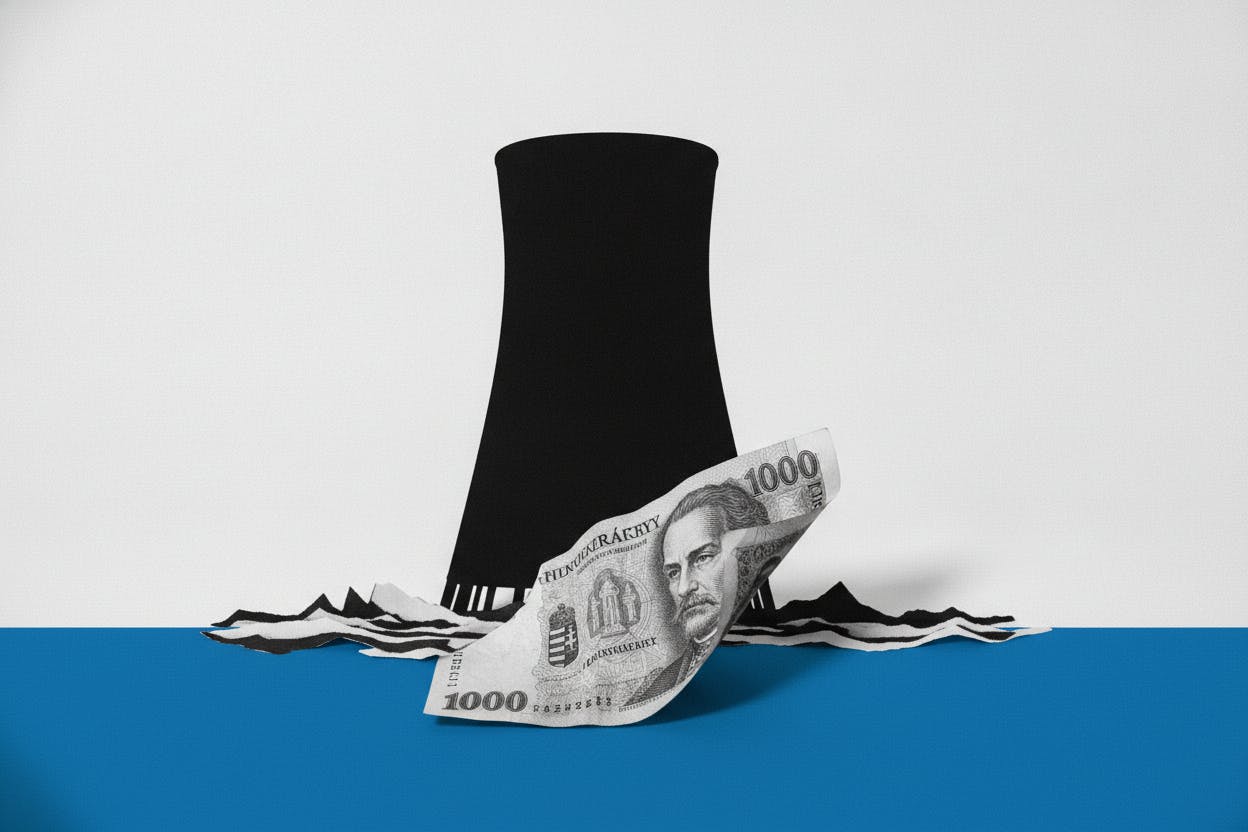
Hungary's forint found its footing on Tuesday, firming slightly to around 363.50 per euro, as traders looked past concerns that the Paks nuclear plant might be forced to shut down. The currency had dropped 1.3% last week on worries that low water levels in the Danube River could disrupt operations at the plant, which supplies a significant portion of Hungary's electricity.
The immediate calm suggests investors are betting that a full shutdown is unlikely or that any disruption would be short-lived. But the episode has put a spotlight on Hungary's energy vulnerability and what it could mean for the forint in the coming months.
Why Paks matters
Paks is Hungary's only nuclear power plant and typically generates around half of the country's electricity. Nuclear plants need large amounts of cooling water, and when river levels drop, they may have to reduce output or even halt operations. The Danube has been running low due to a dry spell, raising the risk that Paks could be affected.
If the plant produces less power, Hungary would need to import more energy to meet demand. That imported energy is usually priced in euros, which means Hungarian companies would need to buy more euros to pay foreign suppliers. That increased demand for euros can put downward pressure on the forint.
Beyond the immediate currency impact, a sustained rise in energy imports would widen Hungary's current account deficit — the gap between what the country earns from exports and what it spends on imports. A wider deficit can make a currency less attractive to foreign investors, as it signals more money flowing out than in.
Central bank support in focus
Analysts at ING have flagged that Hungary's central bank, the NBH, could step in to support the forint if energy imports climb. The bank holds foreign exchange reserves that it can use to buy forints in the market, a common tool for defending a currency. Such intervention can help smooth volatility and reassure investors, but it also draws down reserves, so central banks typically use it sparingly.
The possibility of NBH support has likely helped calm traders this week. Knowing that the central bank has both the means and the willingness to act can deter speculative bets against the currency. However, intervention is not a cure-all — if the underlying pressure from higher energy costs persists, the forint could remain vulnerable.
What it means for investors
For everyday investors, the forint's moves matter in a few ways. If you hold Hungarian assets, such as local stocks or bonds, a weaker forint can reduce the value of your returns when converted back to other currencies. It can also make imported goods more expensive, feeding into inflation, which affects everyone's purchasing power.
The situation also highlights how energy dependence can ripple through a country's economy and currency. Hungary is not alone in this — many European countries face similar challenges when energy prices spike or supply is disrupted. The broader lesson is that energy security is closely tied to financial stability.
Investors will likely keep a close eye on the Danube's water levels and any announcements from Paks or the Hungarian government. They'll also watch for signs of NBH intervention, which could provide a short-term boost to the forint. In the meantime, the currency's stability suggests the market is cautiously optimistic that the worst may be avoided.
For those with exposure to Hungarian assets, it's worth remembering that currency risk is part of the picture. Diversifying across currencies and regions can help manage that risk, but no investment is without its ups and downs.
As the situation develops, the forint's path will depend on a mix of weather, energy markets, and central bank policy. For now, traders are choosing to look past the jitters — but the underlying concerns haven't disappeared.