Shanghai Fosun Pharmaceutical, one of China's largest drugmakers, has announced a plan to buy back up to HK$1 billion (about US$128 million) of its Hong Kong-listed H-shares over the next 12 months. The repurchase will be funded by selling part of its stake in Gland Pharma, an Indian injectables maker, while keeping Gland as a consolidated subsidiary.
The buyback is designed to reassure investors after a mixed first half. Fosun Pharma reported attributable net profit of 1.14 billion yuan (roughly US$160 million) for the period, up 19.1% year-on-year, while revenue rose 4.75% to 20.4 billion yuan. The profit growth outpaced revenue, suggesting improved margins or lower costs, but the modest top-line increase may have left some shareholders wanting more.
How the deal works
To finance the repurchase, Fosun Pharma Singapore, a unit of the company, sold about 9.897 million Gland Pharma shares for roughly 28 billion Indian rupees (about US$335 million). The shares were sold at an average price of 2,828.78 rupees each, a small discount to the prior closing price. That discount is typical in block trades, where large volumes are sold quickly to institutional buyers.
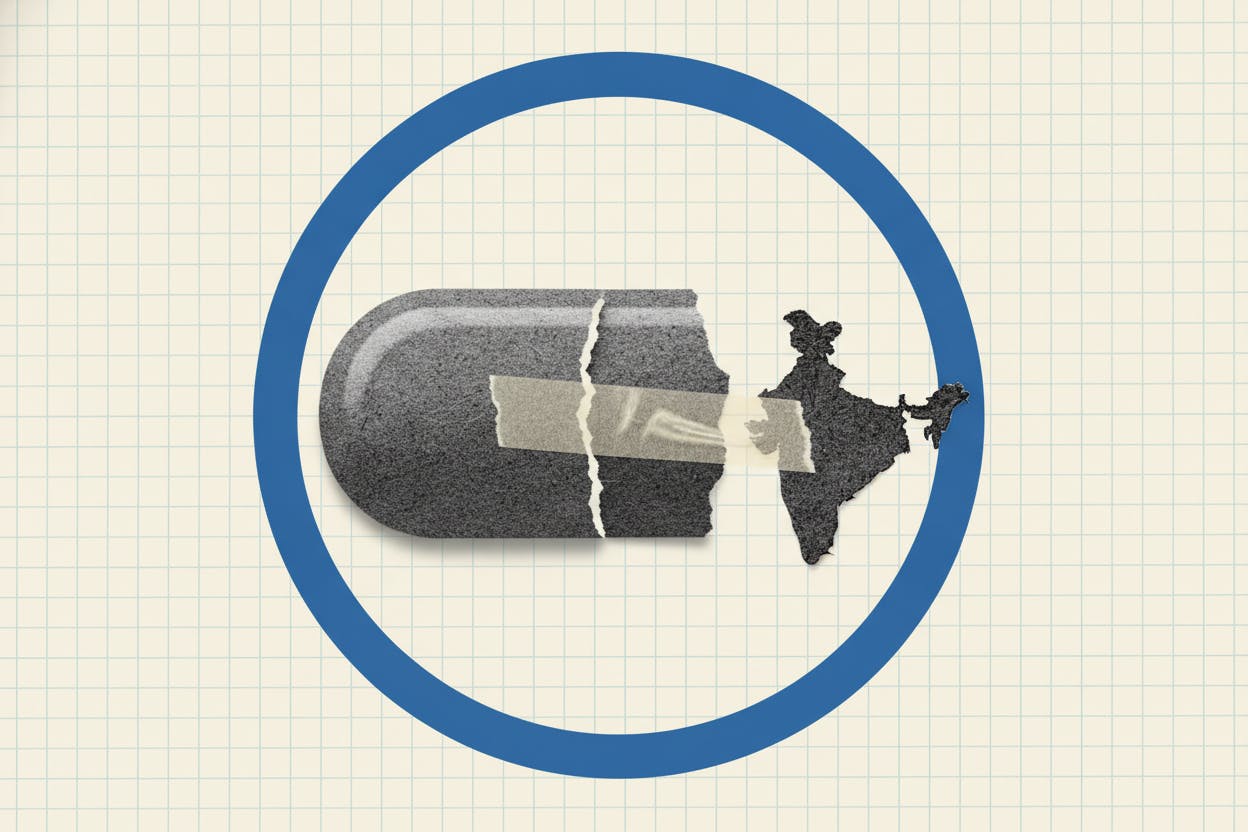
After the sale, Fosun International's holding in Gland Pharma drops to 45.76%. Despite the reduction, Fosun will keep Gland consolidated as a subsidiary, meaning Gland's financial results will still be fully included in Fosun's accounts. This is important because it preserves the revenue and profit contribution from Gland, which is a key part of Fosun's overseas pharmaceutical business.
Gland Pharma, based in Hyderabad, is a major producer of injectable drugs and has been a growth driver for Fosun. The stake sale is a way to raise cash without losing control or the financial benefits of consolidation.
Why a buyback?
Buybacks are a common way for companies to signal confidence in their own stock. By reducing the number of shares in circulation, a repurchase can boost earnings per share and support the share price. For Fosun, the move comes at a time when Chinese pharmaceutical stocks have faced pressure from regulatory changes, competition, and broader market volatility.
The company's H-shares, traded in Hong Kong, have been under the spotlight as investors weigh the impact of China's healthcare reforms and the ongoing economic slowdown. A buyback can be seen as management's belief that the shares are undervalued.
For everyday investors, a buyback is not a guarantee of higher returns, but it can be a positive signal. It also returns cash to shareholders who choose to sell, while those who hold may benefit from a higher per-share value over time.
What it means for investors
For holders of Fosun Pharma shares, the buyback offers a potential floor under the stock price, at least in the short term. The company is using cash from an asset sale rather than taking on debt, which is a prudent approach. Keeping Gland consolidated means the company retains its growth engine, so the sale is not a retreat from its India strategy.
For investors in Gland Pharma, the stake sale introduces a new shareholder base, but the company's operations remain unchanged. The discount to the prior close is typical and not a reflection of Gland's fundamentals.
Looking ahead, investors will watch how Fosun deploys the buyback and whether it follows up with further stake sales or other capital-raising moves. The company's ability to generate cash from its portfolio while maintaining control of key assets is a sign of financial flexibility.
In the broader context, Chinese drugmakers are increasingly looking to global markets for growth and capital. Fosun's move is part of a trend where Chinese companies monetize overseas investments to fund domestic operations or shareholder returns. As India's foreign exchange reserves hit record levels, the country remains an attractive destination for foreign investment, and Fosun's continued stake in Gland reflects that.
For those following the Indian market, the stake sale comes amid a busy period, with six IPOs opening on September 9 and IT stocks leading a slide on rate-hike fears. The Gland sale is a separate event, but it adds to the flow of capital in and out of Indian equities.
Ultimately, the buyback is a modest but meaningful step for Fosun Pharma. It shows that the company is willing to use its assets to support its share price, while keeping its strategic investments intact. For investors, it's a reminder to look at the underlying value of a company's holdings, not just its headline earnings.