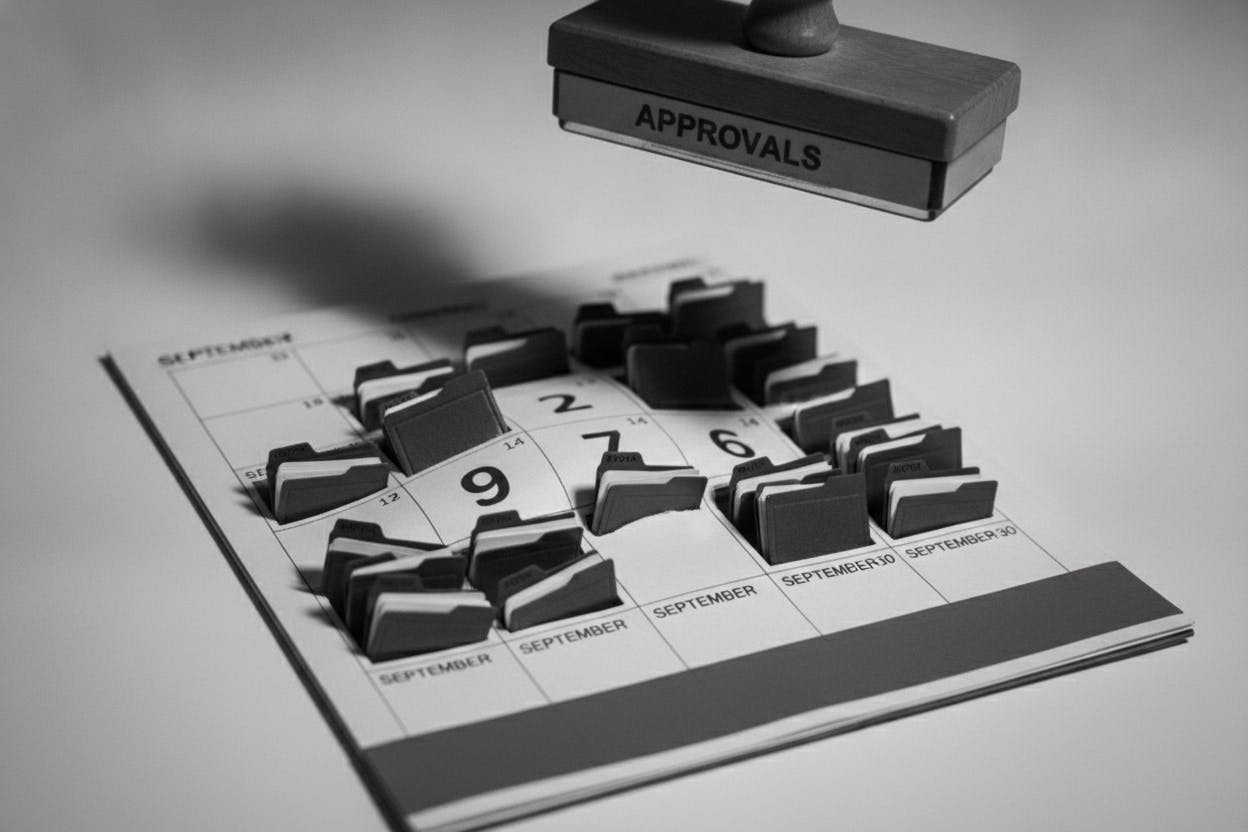
India's IPO market is about to hit a traffic jam. On September 9, a record six companies are set to open their initial public offerings for subscription, all scrambling to get their shares priced before regulatory approvals expire on September 30. This sudden surge in supply is a direct result of a deadline that's been looming over the pipeline for weeks.
For everyday investors, this means a flurry of choices—and a need for careful selection. With so many offerings hitting the market at once, it's easy to get swept up in the excitement. But a crowded calendar also means more competition for attention, and potentially more volatility in the days ahead.
Why the rush?
The September 30 deadline is the key driver. In India, companies that receive approval from the Securities and Exchange Board of India (SEBI) for an IPO typically have a limited window—often around 12 months—to launch the offering. If they don't go public within that period, they have to reapply, which means fresh paperwork, new financial disclosures, and additional delays. That's a costly and time-consuming process, so companies are eager to get their deals done before the clock runs out.
This creates a classic end-of-quarter crunch. Investment bankers and company management teams are working overtime to finalize pricing, marketing, and allotment details. The result is a compressed timeline where six IPOs are all vying for investor attention in the same week.
This isn't the first time India's IPO market has seen a rush. Similar deadlines have triggered bursts of activity in the past, often leading to a temporary oversupply of new shares. But six in a single day is notable, even by those standards.
What does this mean for investors?
For investors, a crowded IPO calendar cuts both ways. On the one hand, more choices mean you can be selective and pick the companies that best fit your risk tolerance and investment goals. On the other hand, the sheer volume can dilute attention, and some offerings may not get the scrutiny they deserve.
It's also worth remembering that IPOs are inherently risky. Newly listed companies often have limited trading history, and their share prices can be volatile in the early days. When multiple IPOs launch at once, that volatility can be amplified, as investors rotate between offerings and market sentiment shifts.
Another factor to watch is the broader market backdrop. Indian equities have been mixed recently, with oil prices and late-session swings adding to uncertainty. A choppy market can make it harder for IPOs to perform well on debut, so investors should be prepared for the possibility that some listings may not pop as expected.
Beyond the IPO rush
The September 9 wave is just one piece of a larger picture. India's capital markets have been active all year, with a steady stream of new listings across sectors. The country's banking system is also in focus, with the Reserve Bank of India (RBI) managing record cash piles and banks urging the central bank to use FX swaps to drain liquidity. These dynamics can influence how much money is available for IPOs and how investors allocate their funds.
Meanwhile, the RBI is also exploring tokenized bonds with its digital currency, a development that could eventually reshape how securities are issued and traded. While that's a longer-term story, it's a reminder that India's financial infrastructure is evolving rapidly.
What to watch next
In the immediate term, all eyes will be on the subscription numbers for the six IPOs. Strong demand could signal that the market has enough appetite to absorb the supply, while weak numbers might suggest investor fatigue. The pricing of each offering will also be crucial—companies that set realistic valuations are more likely to attract interest.
After the September 9 wave, the focus will shift to how these stocks perform on listing day. A strong debut can boost sentiment for future IPOs, while a poor one could cool the market. Investors should also keep an eye on any regulatory announcements from SEBI, as changes to the approval process could affect the pace of future offerings.
For now, the message is simple: do your homework. With six IPOs on the table, there's no shortage of opportunities, but that also means more risk. Take the time to read the prospectuses, understand the business models, and consider how each company fits into your overall portfolio. And remember, an IPO is just the beginning—the real test comes in the months after listing, when the stock has to prove its worth in the open market.