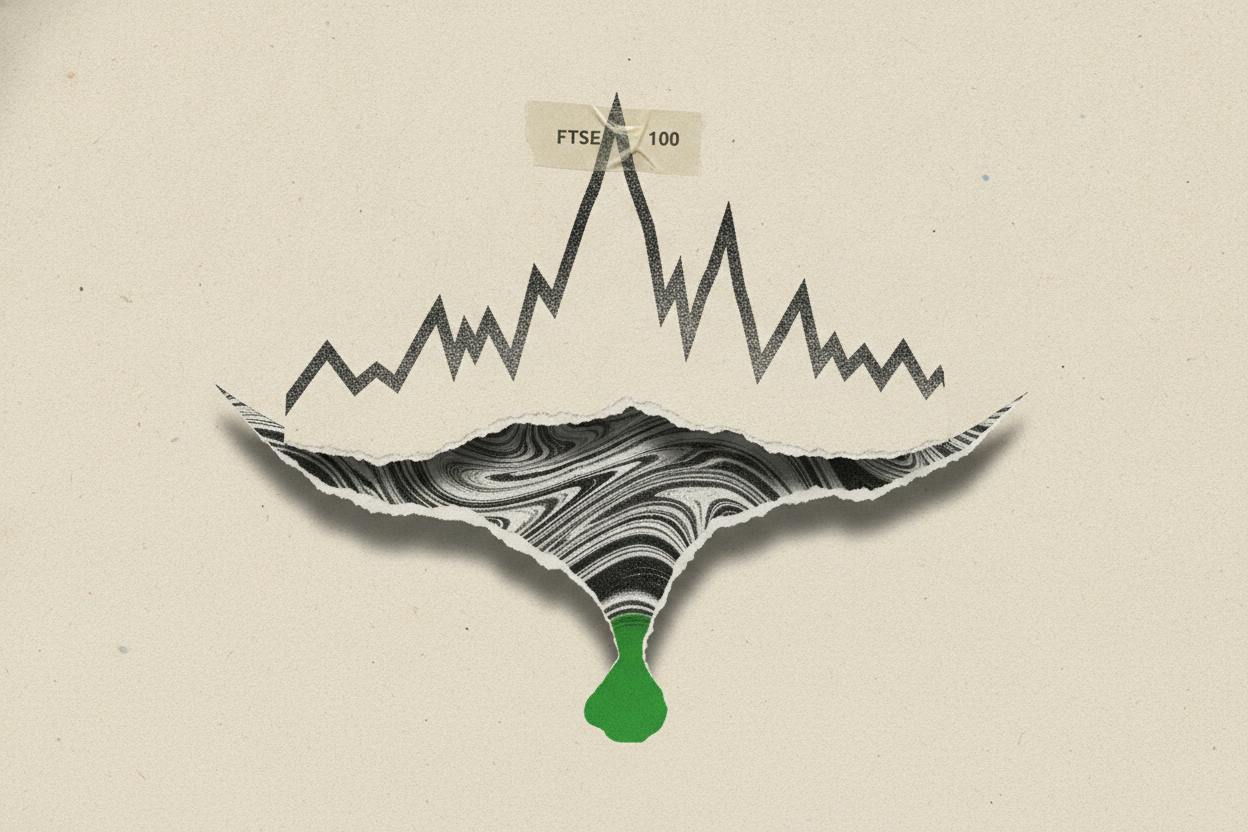
London's FTSE 100 closed 0.99% higher on [day], as investors welcomed President Donald Trump's comment that further US strikes on Iran are "highly unlikely." The remark was read as a signal that the risk of a wider Middle East conflict is receding, even as new shipping incidents were reported near the Strait of Hormuz.
Oil eases on softer rhetoric
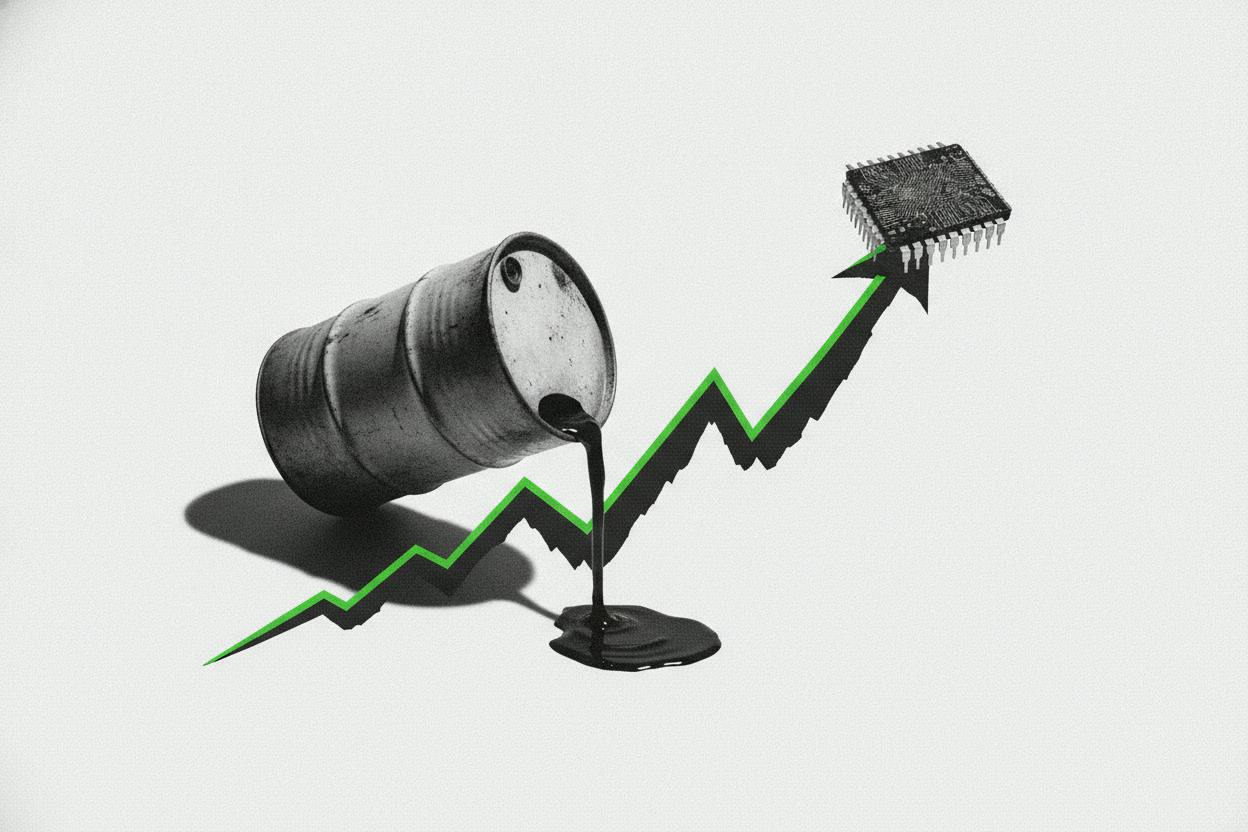
The immediate market reaction was a drop in crude prices. When geopolitical tensions flare, oil often spikes on fears that supply routes could be disrupted. The Strait of Hormuz is a critical chokepoint, through which a significant share of the world's oil passes. Any threat to that route tends to push prices up. But when leaders signal de-escalation, those fears fade, and oil can retreat just as quickly.
For the FTSE 100, lower oil prices are generally a tailwind. The index is heavy with companies that consume fuel or benefit from cheaper input costs, such as airlines, logistics firms, and many consumer businesses. Falling crude also eases inflationary pressure, which can support consumer spending and corporate margins.
Shipping incidents keep some caution
Despite the positive tone, the situation remains fluid. Reports of fresh shipping incidents near the Strait of Hormuz serve as a reminder that the region is still volatile. Investors are likely to keep a close eye on any further developments, as a single escalation could quickly reverse the market's mood.
This dynamic is not new. Markets have repeatedly swung between hope and fear based on headlines from the Middle East. The key takeaway for everyday investors is that such geopolitical events can create short-term volatility, but they rarely change the long-term fundamentals of most companies.
What it means for investors
For UK investors, the FTSE 100's rise is a reminder that global events can move your portfolio even if you only own domestic stocks. The index is heavily influenced by international factors, including oil prices, currency moves, and geopolitical risk.
When oil falls, sectors like airlines and travel often benefit, while energy producers may see their shares dip. If you hold a diversified fund or tracker, these moves tend to balance out. But if you have a concentrated position in oil or shipping stocks, you might feel the swings more acutely.
It's also worth noting that the FTSE 100 has been under pressure recently, as AI trade cools and UK house prices fall. Today's gain offers some relief, but the index remains sensitive to global growth concerns and domestic economic data.
Broader market context
The move in London mirrors a broader trend seen in other markets. For instance, UAE stocks rose as softer Iran rhetoric cooled oil prices, and oil slipped below $98 on similar signals. This shows that the market's reaction is not isolated to the UK, but reflects a global reassessment of geopolitical risk.
Investors should also watch how these dynamics affect other commodities. For example, dry bulk shipping rates have been rising, which could be influenced by trade flows and fuel costs. And while oil is in focus, other commodities like gold and cocoa have their own drivers, as seen in cocoa prices sliding to a three-month low.
Looking ahead
The immediate catalyst for today's rise was Trump's comment, but the situation is far from settled. Investors will be watching for any further statements from Washington or Tehran, as well as any new incidents in the Strait of Hormuz. A single headline could shift sentiment again.
For now, the market is choosing to focus on the possibility of de-escalation. That has helped lift the FTSE 100 and other risk assets. But prudent investors know that geopolitical events are unpredictable, and it's wise to stay diversified rather than trying to time the news.
As always, the best approach is to keep a long-term perspective and not let short-term headlines dictate your investment decisions.