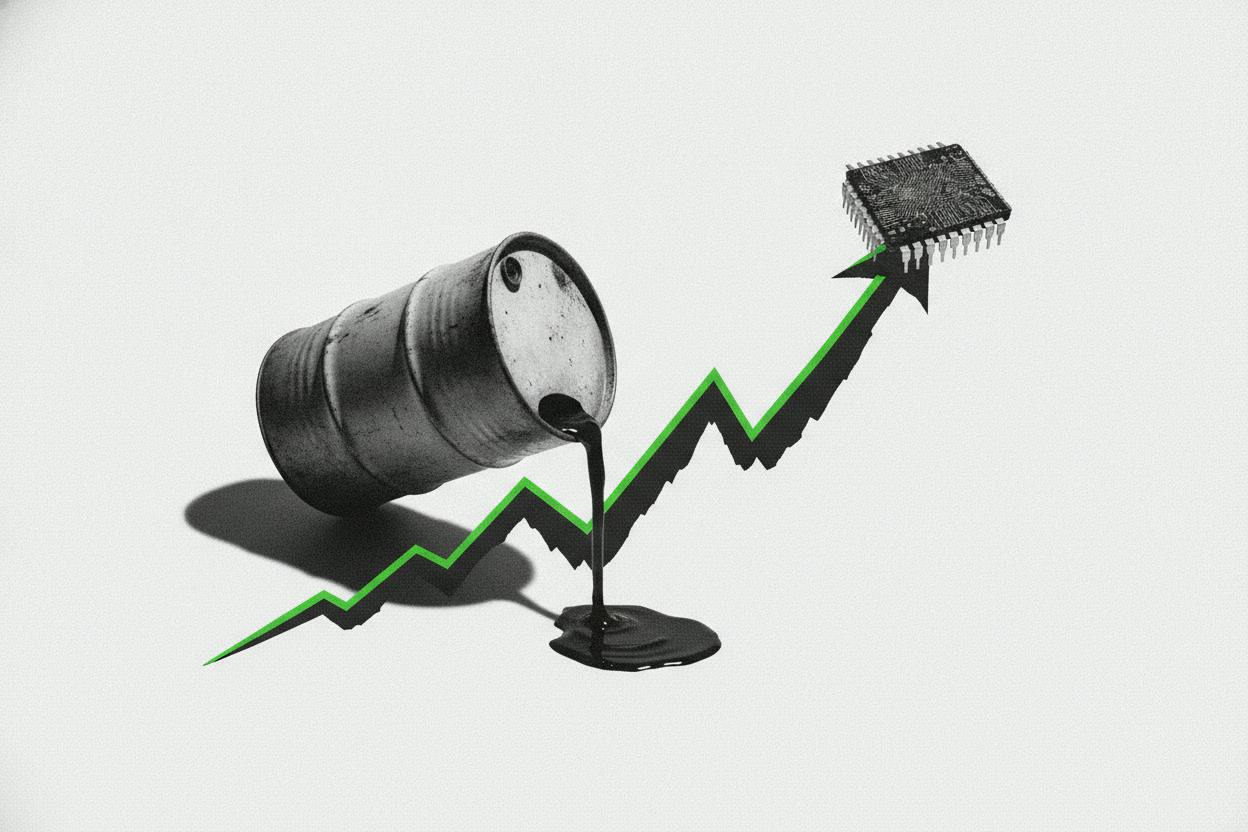
Swiss stocks kicked off the week on a positive note, with the Swiss Market Index (SMI) closing up 1.01% on Monday. The gain came as investors welcomed comments from former US President Donald Trump suggesting that further US strikes on Iran are “highly unlikely” if diplomatic talks continue to progress.
For much of recent weeks, the dominant worry in markets hasn’t been corporate earnings or interest rates, but the risk of a wider Middle East conflict. That fear has weighed on sentiment globally, as investors weighed the potential impact on energy prices, supply chains, and economic growth. Monday’s move suggests that anxiety is starting to ease.
What changed for investors
Trump told CNN that additional US strikes on Iran are “highly unlikely” as long as talks keep moving forward and Iran agrees to a “very strong” deal. While that’s not a formal ceasefire or a signed agreement, it was enough to reduce the perceived odds of a rapid escalation.
When geopolitical tail risks feel less imminent, investors typically demand a smaller “risk premium” for holding stocks. That can lift index valuations even without any change in profit forecasts. In other words, the SMI’s 1.01% gain is what a shrinking war risk premium looks like.
The calmer backdrop also made it easier for stock-specific news to move prices. Electronics manufacturer Cicor Technologies jumped 10.12% after announcing two multiyear defense programs expected to generate close to 20 million Swiss francs of revenue in 2027. The company also provided updates related to its manufacturing footprint in Malaysia and a supply agreement with EDMI.
Separately, plumbing-products maker Geberit gained 1.14% after Berenberg, a European investment bank, reiterated its buy rating and kept a 650-franc price target. The bank argued that recent headwinds facing the company look cyclical rather than structural, a view that reassured investors.
What it means for everyday investors
For ordinary investors, the key takeaway is that markets don’t need a signed peace deal to reprice risk. They just need the odds of escalation to fall. As those odds drop, the geopolitical risk premium embedded in share prices can shrink, supporting broad indexes like the SMI through higher valuation multiples.
This dynamic isn’t unique to Switzerland. Similar moves have been seen across European markets, with European stocks rising as oil retreats, though volatility remains elevated. The FTSE 100 also climbed on the same day, and UAE stocks gained as softer Iran rhetoric cooled oil prices.
When big-picture risk stops dominating headlines, company news can carry further. That helps explain why Cicor’s deal-driven jump and Geberit’s broker-led lift showed up more clearly at the index level.
For investors, this is a reminder that geopolitical events can create short-term swings, but the underlying drivers of stock performance—earnings, growth, and valuation—remain important. While a calmer Middle East is welcome, it doesn’t change the fundamental picture for most companies. It simply removes one layer of uncertainty.
As always, it’s wise to keep a long-term perspective and avoid making impulsive decisions based on daily headlines. The situation in the Middle East remains fluid, and any sudden reversal could quickly change market sentiment. But for now, Swiss investors are enjoying a more relaxed start to the week.