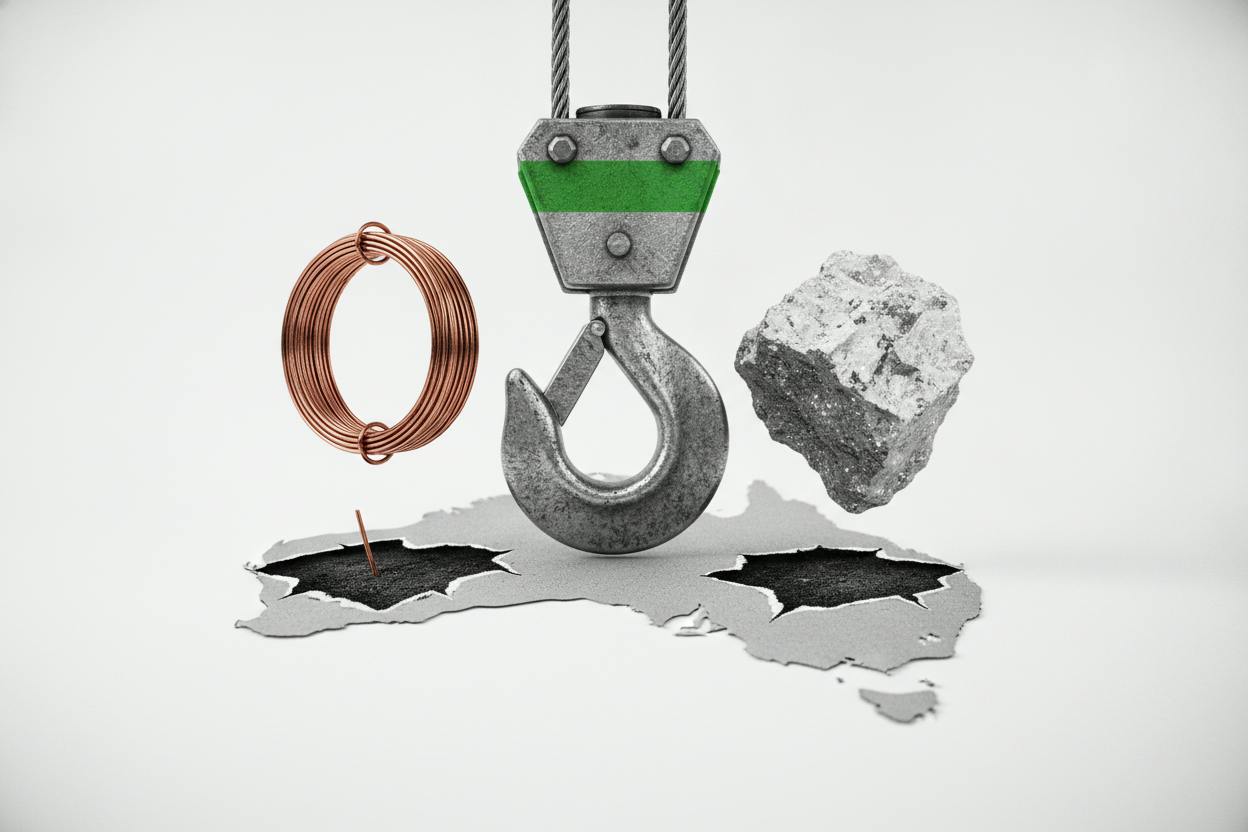
The FTSE 100 is heading for its first weekly decline since early July, with heavyweight mining stocks dragging the index lower as copper prices cooled. The pullback comes after a strong run for the UK's blue-chip index, which had been buoyed by global optimism and a rally in commodity prices.
Miners weigh on the index
Mining companies are among the biggest components of the FTSE 100, so their performance has an outsized impact on the overall index. This week, softer copper prices have hit the sector hard. Copper had enjoyed a recent run-up, but demand doubts have resurfaced, prompting investors to take profits.
One notable decliner was Antofagasta, the Chilean copper producer. The company recently trimmed its 2026 copper output outlook, which has weighed on sentiment. The broader industrial metals and mining group is on track for a sharp weekly fall, reflecting the sector's sensitivity to commodity price swings.
This pattern is typical for the UK market. The FTSE 100 is heavily weighted toward global commodity and energy giants, so a dip in metals prices can outweigh strength elsewhere. When copper and other industrial metals weaken, it often signals concerns about global economic growth, as these materials are used in construction, manufacturing, and infrastructure.
Software stocks rise on takeover talk
While miners struggled, software and data stocks provided a bright spot. Reports that private equity firm Silver Lake is in talks to buy Workday, a US-based software company, lifted sentiment across the sector. The news sparked hopes of more dealmaking in the tech space, which can boost valuations across the industry.
For UK investors, this is a reminder that corporate takeovers can be a powerful driver of stock prices. When a company is acquired, its shareholders typically receive a premium to the market price. The prospect of similar deals can lift the entire sector, as investors speculate on which company might be next.
The move also highlights the ongoing appeal of software and data companies, which tend to have strong cash flows and resilient demand. Even in a higher-interest-rate environment, these businesses are often seen as more defensive than cyclical sectors like mining.
What it means for investors
For everyday investors, the FTSE 100's weekly dip is a reminder that markets rarely move in a straight line. After a strong summer rally, a pause or pullback is normal. The key is to focus on the underlying drivers, rather than short-term noise.
Copper prices are closely watched as a barometer of global economic health. If demand concerns persist, miners could continue to face headwinds. However, if the global economy stays resilient, the sector could rebound. Investors with exposure to mining stocks should be prepared for volatility, as commodity prices can swing sharply.
On the other hand, the takeover interest in Workday suggests that corporate dealmaking remains active, particularly in the tech sector. This can be a positive sign for investors, as acquisitions often unlock value and signal confidence in future growth.
It's also worth noting that the FTSE 100's performance is influenced by the strength of the pound. A weaker pound can boost the value of overseas earnings for UK-listed companies, while a stronger pound can weigh on the index. This week's moves have been driven more by commodity prices, but currency fluctuations remain an important factor to watch.
Looking ahead, investors will be monitoring economic data and central bank signals for clues about the direction of interest rates. Cooler inflation readings have recently lifted global markets, as seen in emerging market stocks and Asian stocks. If inflation continues to ease, it could support risk appetite and help the FTSE 100 recover from its weekly dip.
For now, the index's slide is a modest correction rather than a major reversal. The UK market remains supported by strong corporate earnings and a resilient global economy. As always, diversification is key: holding a mix of sectors and regions can help smooth out the bumps.
In summary, this week's FTSE 100 dip is driven by a familiar tug-of-war between commodity-heavy miners and growth-oriented tech stocks. While the near-term outlook for copper is uncertain, the broader market fundamentals remain intact. Investors should keep an eye on commodity prices, corporate dealmaking, and inflation data in the weeks ahead.