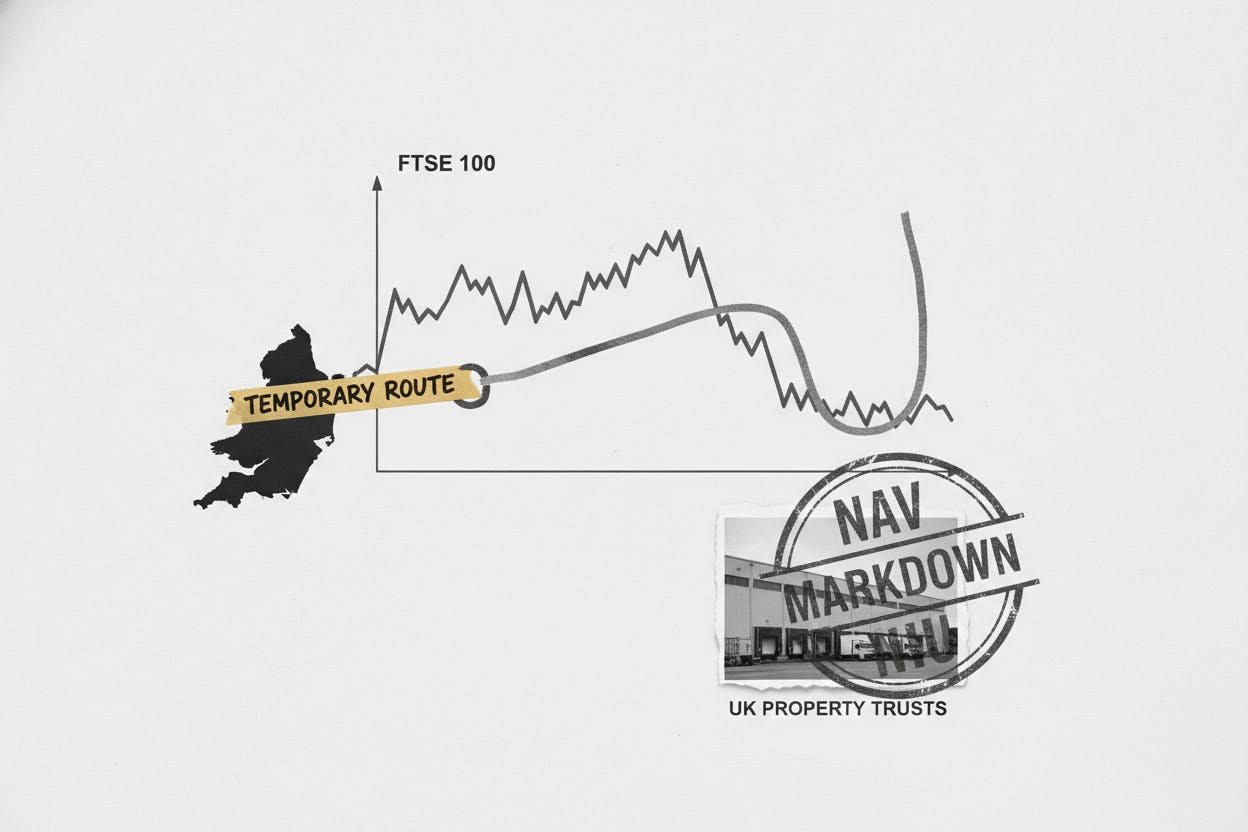
London's FTSE 100 edged lower on Thursday as investors weighed a potential easing of shipping disruption in the Strait of Hormuz against a fresh batch of UK corporate earnings. The blue-chip index's dip was modest, but the day's moves highlighted how geopolitical headlines and company results continue to drive market sentiment.
Hormuz shipping route: a partial step
Iran and Oman said they are close to a joint statement on a temporary shipping route through the Strait of Hormuz, a critical waterway for global oil supplies. Officials were quick to stress that this would not amount to a full reopening of the strait, which has been a focal point of regional tensions.
The Strait of Hormuz is one of the world's most important oil chokepoints, with a significant share of seaborne crude passing through it daily. Any disruption there can quickly push oil prices higher, feeding into inflation expectations and influencing central bank interest-rate decisions. Even the prospect of a temporary route can ease some of that pressure, which is why markets are paying close attention.
For UK investors, the link runs through inflation and interest rates. Lower oil prices tend to reduce the cost of goods and energy, which can cool inflation and reduce the need for higher interest rates. That, in turn, supports stock valuations, particularly for companies that are sensitive to borrowing costs. As oil holds near $79, the market is watching whether the talks lead to a lasting reduction in risk.
Persimmon climbs on stronger first-half profit
While the index slipped, housebuilder Persimmon was a standout gainer after reporting higher first-half profit and revenue. The company, one of the UK's largest homebuilders, benefited from improved demand and pricing in the housing market.
Persimmon's results come at a time when the UK housing sector has been under pressure from higher mortgage rates and a slowdown in property transactions. A stronger-than-expected performance from a major builder can be seen as a positive signal for the broader economy, as housing is closely tied to consumer confidence and construction activity.
Investors will be watching whether Persimmon's momentum continues into the second half, especially as the Bank of England's interest-rate path remains uncertain. Lower rates would typically support the housing market, but any sign of persistent inflation could keep rates higher for longer.
What it means for investors
For everyday investors, the FTSE's dip is a reminder that markets are reacting to a mix of geopolitical and company-specific news. The Hormuz shipping plan, while not a full reopening, could reduce some of the risk premium that has been built into oil prices and inflation expectations. That could be supportive for UK stocks, which are sensitive to interest-rate moves.
At the same time, Persimmon's rise shows that individual company results can still drive meaningful moves, even when the broader index is flat or lower. Investors should focus on the fundamentals of the companies they own, rather than getting caught up in daily index swings.
Looking ahead, the market will be watching for further details on the Hormuz shipping route and any impact on oil prices. As stock futures were mixed on the news, the situation remains fluid. A more permanent resolution could ease inflation pressures, while a breakdown in talks could reignite volatility.
For now, the FTSE's slip appears to be a pause rather than a reversal, with investors digesting a range of inputs. As always, diversification and a long-term perspective remain key for navigating such crosscurrents.