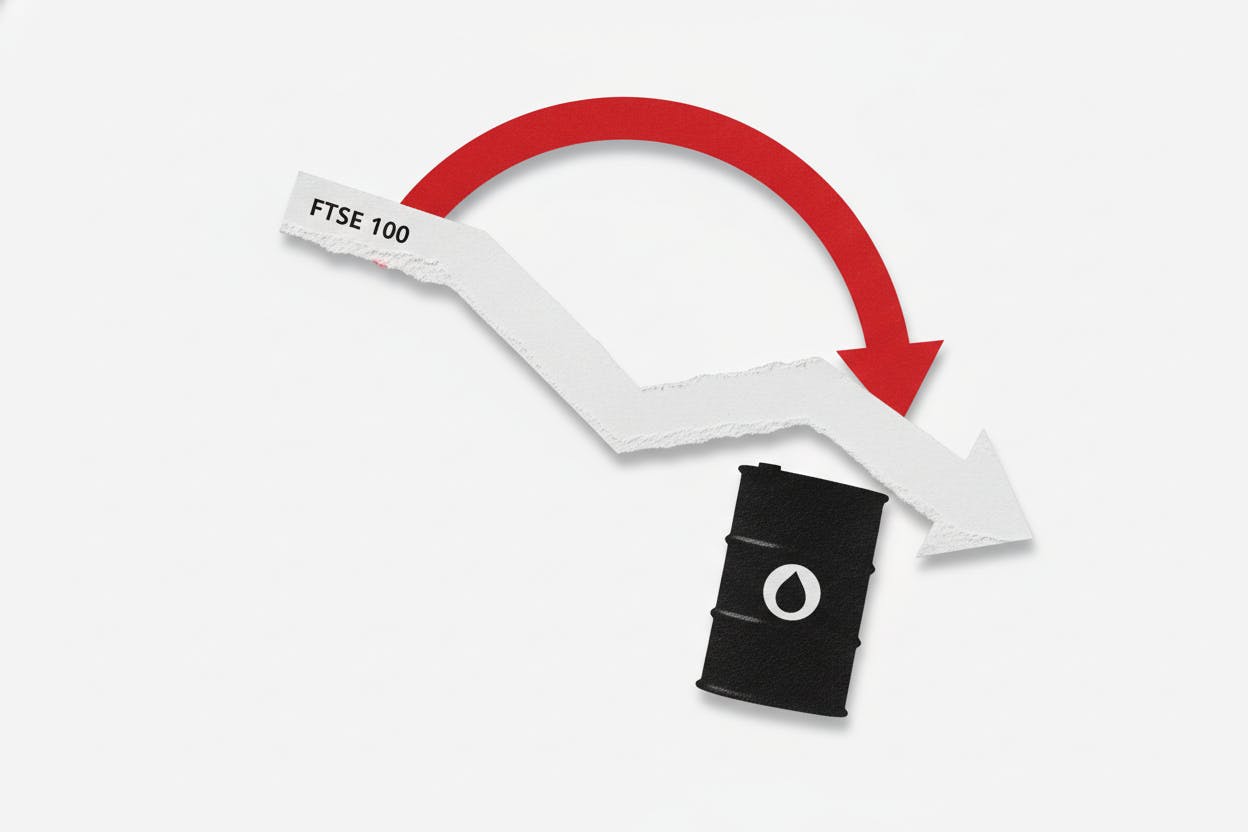
London's blue-chip index started the week on the back foot, with the FTSE 100 slipping 0.1% to 10,824.74 in early trading. The more UK-focused FTSE 250 also dipped 0.1%. The moves came as two global forces pulled investors in opposite directions: crude oil prices hovering near six-week highs, and a growing conviction that the US Federal Reserve could raise interest rates again next month.
Oil's strength was the bright spot for the energy sector. Brent crude remained elevated after recent security tensions around key shipping routes, which have raised concerns about supply disruptions. That helped lift shares of oil majors BP and Shell, both of which climbed in London trading. For the broader market, however, higher oil prices are a double-edged sword: they boost energy company profits but also feed into inflation, which keeps central banks under pressure to tighten policy.
Rate hike odds climb after strong jobs data
The other major driver was a robust US jobs report released last week, which reinforced the view that the world's largest economy is still running hot. According to CME Group's FedWatch tool, traders now assign roughly a 58% probability that the Fed will raise rates at its September meeting. That is a notable shift from earlier in the summer, when many expected the central bank to pause its tightening cycle.
Higher US rates tend to strengthen the dollar and push up bond yields, which can weigh on equities globally. For UK investors, a stronger dollar also affects the translation of overseas earnings, and higher yields make growth stocks less attractive relative to bonds. The FTSE 100, with its heavy weighting in energy, mining, and banking, is often seen as a value play, but it is not immune to these global currents.
The rate-hike speculation is part of a broader pattern seen across markets. Similar concerns have weighed on other indices, as New Zealand shares slipped and India's IT stocks led a slide on the back of the same twin worries. The connection between oil prices and rate expectations is a recurring theme for global investors.
Oil's rally: supply fears and inflation worries
Crude's recent climb has been driven largely by geopolitical risk. Tensions around the Strait of Hormuz, a critical chokepoint for global oil shipments, have raised the spectre of supply disruptions. Oil climbed near $97 after tanker strikes in the region, and prices have stayed elevated since. While the brief notes crude is near six-week highs, the underlying driver is the same: fear that a major shipping route could be disrupted.
For consumers, higher oil prices mean costlier petrol and heating bills, which can squeeze household budgets and dampen spending. For central banks, it complicates the fight against inflation. Even if the Fed and the Bank of England hold rates steady for a while, a sustained rise in energy costs could force them to act again.
The knock-on effects extend beyond energy. Higher crude prices can lift the cost of transporting goods, feeding into broader price pressures. That is why investors watch oil closely, not just for its direct impact on energy stocks but for what it signals about the inflation outlook.
What it means for investors
For everyday investors, the key takeaway is that the tug-of-war between oil and rates is likely to continue. Energy stocks like BP and Shell may benefit from higher crude prices, but the broader market could stay choppy if rate-hike fears persist. The FTSE 100's modest decline masks a mixed picture beneath the surface: energy names are supporting the index, while other sectors may be feeling the pressure from higher-for-longer rate expectations.
Investors should also keep an eye on the dollar. A stronger dollar, driven by expected Fed hikes, can hurt UK companies that earn revenue in other currencies, as those earnings are worth less when converted back to pounds. It can also make commodities like gold less attractive, as seen in gold sliding 2% after the jobs report.
For those with diversified portfolios, the message is not to panic. Market moves like this are normal, and the FTSE 100's dip is modest. But it is worth understanding that oil prices and central bank policy are two of the biggest forces shaping global markets right now. Watching how they evolve in the coming weeks—especially any further developments in the Gulf and the next US inflation data—will give clues about whether the current trend continues.
As always, no single day's move should dictate long-term decisions. The best approach for most investors is to stay diversified and focus on their own time horizon, rather than reacting to every headline.



