Oil prices extended their climb on Monday, with Brent crude trading near $97 a barrel, after the United States and Iran targeted vessels near the Strait of Hormuz. The attacks have raised fears that the world's most important oil shipping lane could face prolonged disruptions, tightening supply just as the market was already on edge.
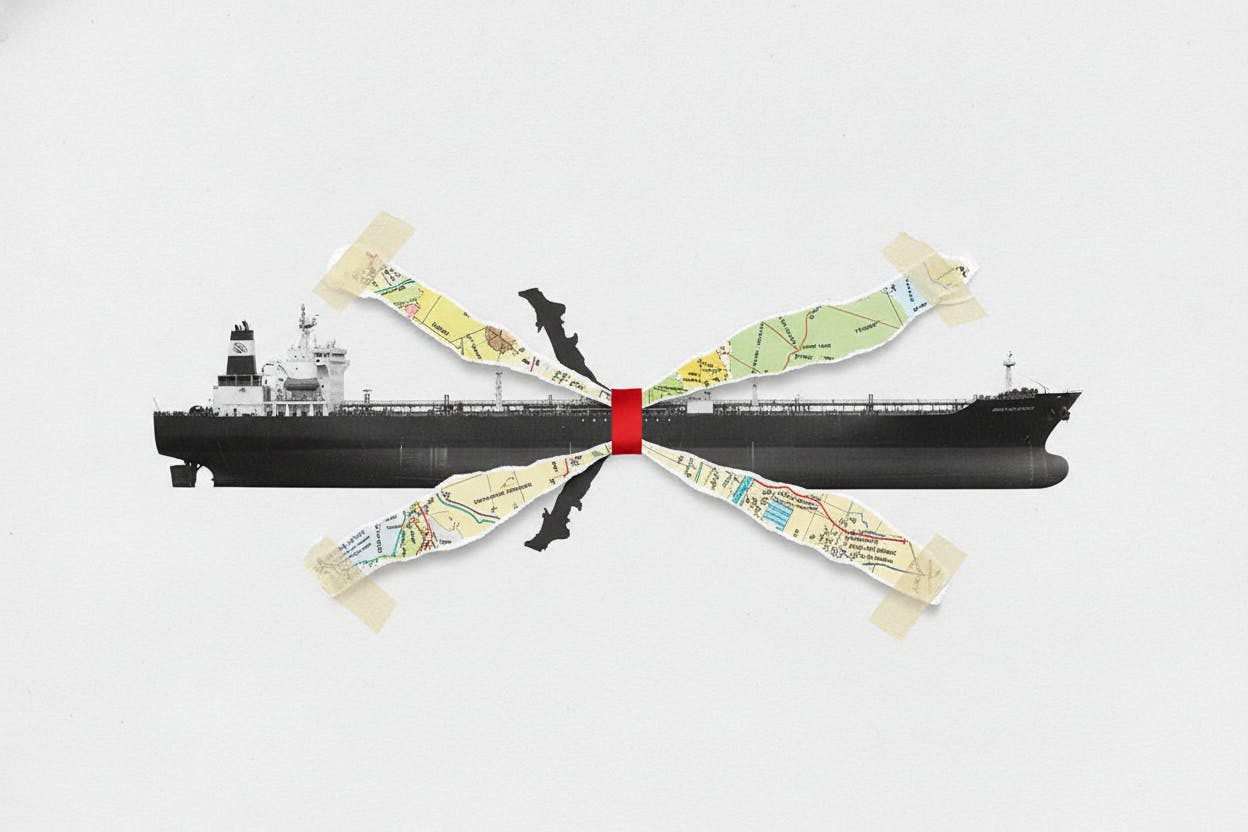
The Strait of Hormuz is a narrow waterway between the Persian Gulf and the Gulf of Oman. Roughly a fifth of the world's oil passes through it, making it a critical chokepoint for global energy supplies. Even a brief interruption can send prices higher, because buyers and sellers worry about how quickly cargoes can move.
Shipping traffic slows
Data from shipping tracker Kpler, cited Monday, showed that about 10 commodity ships a day transited the strait over the past 10 days, the lowest level since May. That slowdown reflects tanker operators' caution: when the risk of attack rises, vessels may delay sailings, take longer routes, or demand higher insurance premiums.
The immediate impact is not necessarily a drop in the world's total oil supply, but rather a slowdown in the speed at which that supply reaches buyers. That can create temporary shortages in certain regions and push up prices globally.
OPEC+—the group of major oil producers led by Saudi Arabia and Russia—met over the weekend and decided to keep its October output policy unchanged. That means the group will not add extra barrels to the market in the near term, leaving little room to offset any supply losses from the strait.
What this means for investors
For everyday investors, higher oil prices can have a ripple effect. They typically push up the cost of gasoline and diesel, which can feed into inflation and affect consumer spending. Energy companies often see their profits rise, which can boost their stock prices, but other sectors—like airlines and shipping—may face higher fuel costs.
The situation is also a reminder of how geopolitical events can move markets quickly. Investors who hold broad index funds may see some short-term volatility, but the long-term impact depends on how long the disruption lasts and whether other producers can step in.
Related coverage: oil's weekly gain on Hormuz traffic and Gulf stocks reacting to oil above $95.
What to watch next
Investors will be watching for any signs of escalation or de-escalation in the region. A prolonged closure of the strait would be a major event, but even a partial disruption could keep prices elevated. Also on the radar: whether OPEC+ changes its stance at its next meeting, and how global demand responds to higher fuel prices.
For now, the market is pricing in a higher risk premium. That means oil prices could stay volatile, and any news about shipping traffic or diplomatic efforts could trigger sharp moves.
For more on how oil's rise is affecting other markets, see Asian markets slipping on Hormuz tensions and diesel prices climbing.