Commonwealth Fusion Systems, a Massachusetts-based startup working on nuclear fusion technology, has raised $1 billion in equity funding. The company says the money will go toward building its first commercial fusion power plant, called ARC, in Virginia. Whether the company will pursue an initial public offering (IPO) remains an open question.
What is fusion and why does it matter?
Fusion is the process that powers the sun and stars. It generates energy by fusing light atoms, such as hydrogen isotopes, under extreme heat and pressure. If harnessed on Earth, fusion could produce large amounts of electricity with very low greenhouse gas emissions and minimal long-lived radioactive waste compared to traditional nuclear fission reactors.
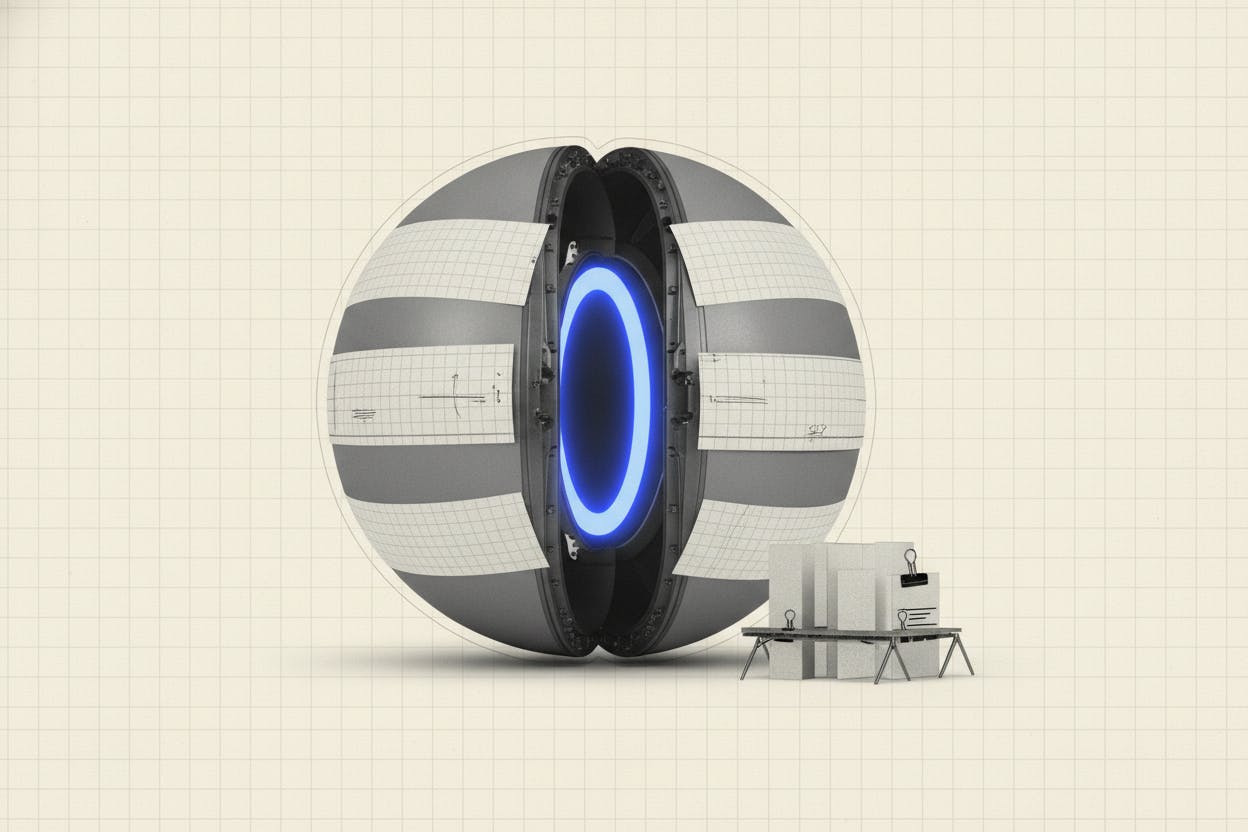
However, fusion has been a scientific challenge for decades. No company has yet demonstrated a fusion reactor that produces more energy than it consumes at a commercial scale. Most fusion projects remain in the research or pilot phase. Commonwealth Fusion Systems aims to change that by building ARC, a compact tokamak reactor design that uses high-temperature superconducting magnets to contain the plasma needed for fusion.
The $1 billion raise and Virginia plant
The latest funding round brings Commonwealth Fusion Systems' total capital raised to over $2 billion, according to public reports. The company plans to use the new funds to develop and construct its first ARC plant in Virginia. The exact location and timeline for the plant have not been disclosed, but the company has previously targeted the early 2030s for commercial operation.
The Virginia plant would be a key test for fusion's viability as a source of grid-scale power. If successful, it could pave the way for more fusion plants and attract further investment into the sector. The company's backers include major venture capital firms and energy investors, though the specific investors in this round were not named in the brief.
IPO still on the table
Commonwealth Fusion Systems has not ruled out an IPO, but the brief indicates the decision remains undecided. Many private companies in the energy and technology sectors use IPOs to raise additional capital and provide liquidity for early investors. However, fusion startups often require years of development before generating revenue, which can make public markets cautious.
For context, other recent IPOs in the energy and tech space have seen mixed results. For example, Jersey Mike's IPO raised $1 billion earlier this year, but consumer listings are rare. Meanwhile, tech stocks have slipped on mixed earnings, highlighting the volatility in public markets. Commonwealth Fusion Systems may wait until its technology is closer to commercialization before deciding on a public listing.
What it means for investors
For everyday investors, fusion energy remains a high-risk, long-term bet. The technology is unproven at scale, and even if ARC succeeds, it will take years to generate returns. The $1 billion raise shows that institutional investors are willing to back the vision, but retail investors should be cautious. Fusion is not yet a sector where one can buy shares in a public company; most fusion startups are private.
That said, the broader push for clean energy and the growing demand for reliable, low-carbon power could benefit fusion if it becomes viable. Data centers, for instance, are driving huge electricity demand, as seen in Generac's strong Q2 results tied to AI data center growth. Fusion could eventually compete with renewables and natural gas as a baseload power source.
Investors should also watch for any updates on Commonwealth Fusion Systems' IPO plans. If the company goes public, it would offer a rare chance to invest in a pure-play fusion company. Until then, the best way to gain exposure to fusion is through diversified clean energy funds or ETFs that include early-stage technology companies.
The bigger picture
Commonwealth Fusion Systems is not alone in the race to commercialize fusion. Competitors like TAE Technologies, Helion Energy, and General Fusion are also pursuing different reactor designs. The sector has attracted billions in private investment, but no company has yet delivered a working commercial plant.
The Virginia ARC plant represents a significant milestone. If it succeeds, it could validate fusion as a practical energy source and attract even more capital. If it fails, it could set the industry back years. For now, the $1 billion raise gives Commonwealth Fusion Systems the runway to try.