The Group of Seven major economies said it will immediately begin releasing 100 million barrels of oil and diesel from strategic reserves, a move aimed at calming energy markets rattled by supply disruptions linked to the US-Iran conflict. The announcement came as a weaker-than-expected US jobs report led investors to scale back bets on another Federal Reserve interest rate hike in October.
What the G7 move involves
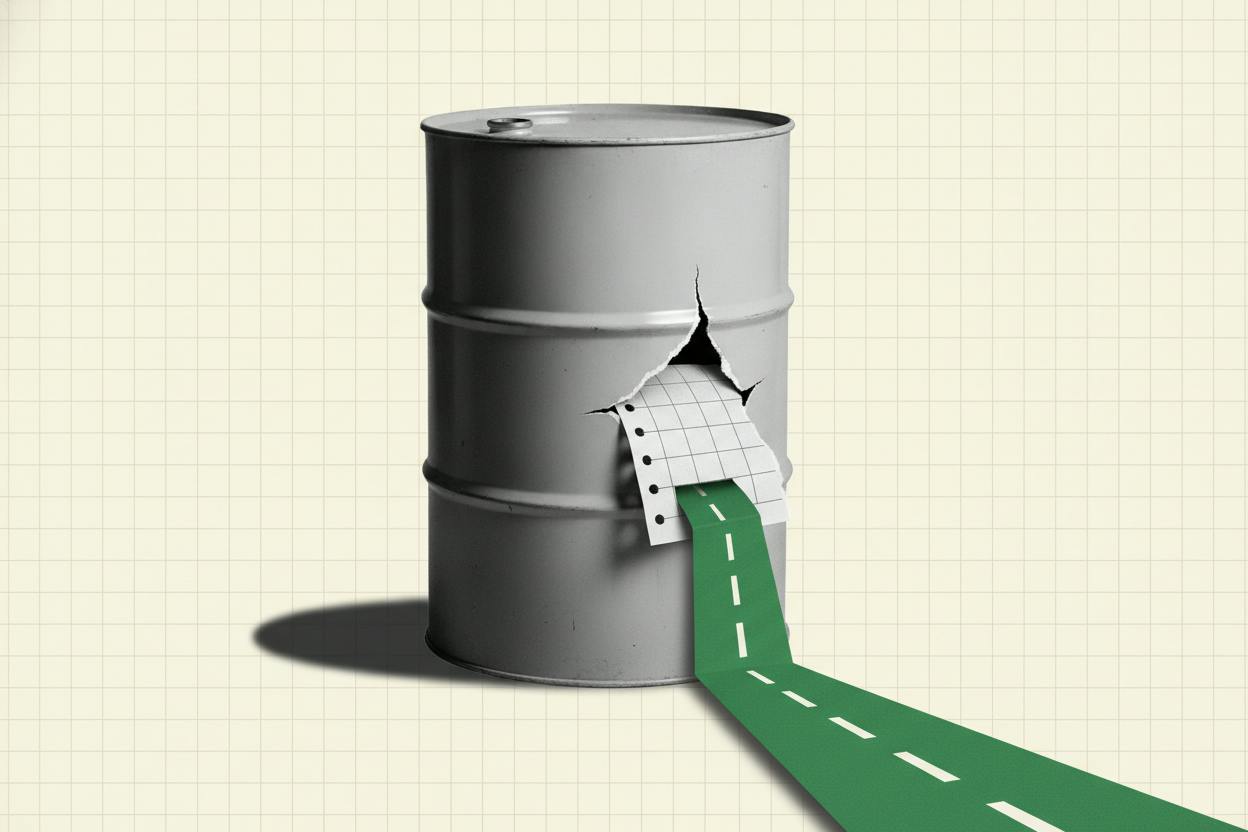
The G7, working through the International Energy Agency (IEA), plans to release the barrels over a four-month period. The release is deliberately "frontloaded" with diesel, with a significant portion of the fuel hitting the market in the first 20 days. This is a targeted effort to address the most acute pressure point: diesel supplies.
Diesel is the workhorse fuel of the global economy, powering trucks, construction equipment, and industrial machinery. When diesel prices spike, the cost of moving goods rises quickly, feeding into inflation almost immediately. By flooding the market with diesel early, the G7 hopes to break the cycle of price spikes and calm volatility in energy markets.
The move echoes earlier coordinated releases by the IEA, which has stepped in during past supply crises to cushion the impact on consumers and businesses. The effectiveness of such releases, however, can be limited if refineries are already running near capacity or if the underlying supply disruption persists.
US jobs report misses badly
On the same day, the Bureau of Labor Statistics reported that nonfarm payrolls rose by just 29,000 in September, far below the consensus forecast. Adding to the disappointment, job gains for the previous two months were revised down by a net 60,000. The report also showed a slight miss in factory orders, painting a picture of a cooling labor market.
For the Federal Reserve, this is a double-edged sword. A softer jobs market reduces the urgency to raise interest rates further to cool the economy. Indeed, futures markets quickly dialed back the probability of an October rate hike. However, the Fed is also watching inflation, which remains stubbornly above its 2% target. The central bank has been walking a tightrope between fighting inflation and avoiding a recession.
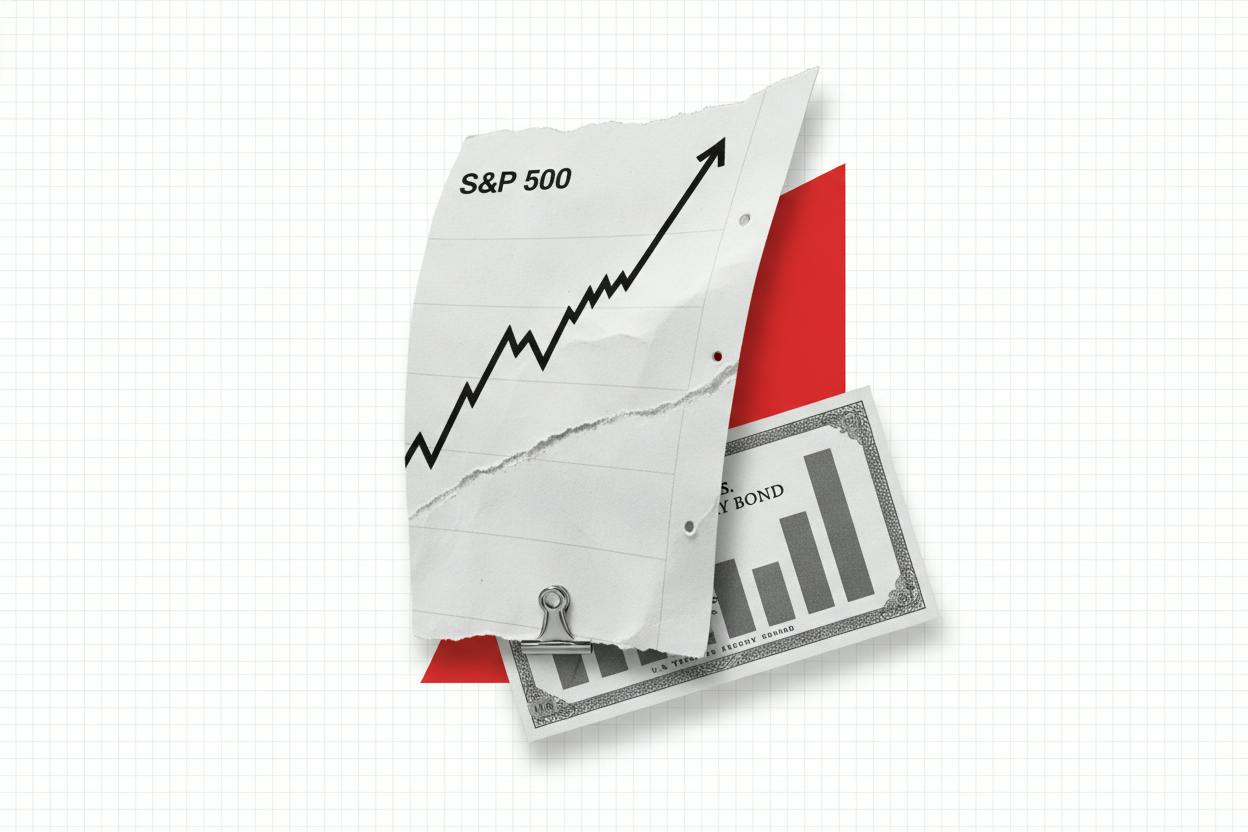
The market reaction was muted, with the 10-year Treasury yield hovering around 5.28%. That suggests investors are torn between the prospect of slower growth and the risk that inflation stays sticky. The oil release and the jobs miss hit different parts of the inflation story: employment affects wage pressure over time, while diesel prices can filter into transport and shipping costs quickly.
What it means for investors
For everyday investors, the key takeaway is that the G7's diesel-heavy release targets the inflation inputs that show up fastest. By boosting diesel supply, the bloc is trying to ease cost pressures in the transportation and logistics sectors, which could help cool overall inflation in the coming months.
If the extra barrels succeed in loosening the diesel market, "crack spreads" — the difference between crude oil prices and refined product prices — could narrow. That would reduce the cost of freight and fuel, potentially easing the burden on consumers and businesses. When energy costs cool, traders often lower their expectations for future inflation reports, which can influence short-term interest rate expectations even if longer-term yields are driven by other factors.
For those with investments in energy stocks or funds, the release could put downward pressure on oil and diesel prices, at least in the short term. However, the impact may be limited if the underlying geopolitical tensions remain unresolved. The recent surge in oil prices has been a major driver of inflation worries, and any move that eases those concerns could be positive for bond markets and growth-oriented stocks.
Investors should also watch how the Fed reacts to the jobs data. A weaker labor market could prompt the central bank to pause its rate-hiking cycle, which would be a tailwind for stocks. However, if inflation remains high, the Fed may be forced to keep rates elevated for longer, which could weigh on economic growth.
The G7's coordinated action is a reminder that governments are willing to intervene in energy markets to protect their economies. For investors, it underscores the importance of monitoring both supply-side shocks and demand-side indicators like employment data. As the situation evolves, the release of strategic reserves could be a key factor in shaping market sentiment in the weeks ahead.