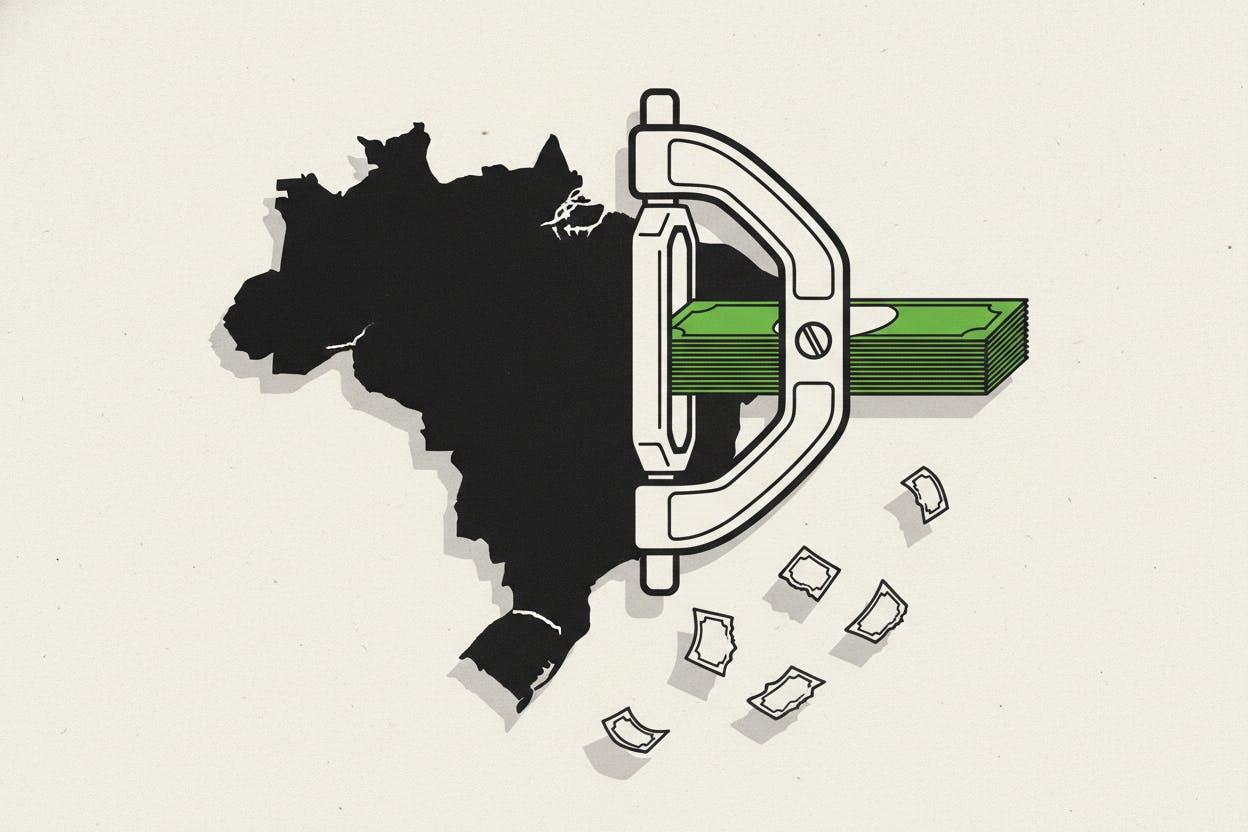
Some of the world's biggest commodity traders and banks are moving into Brazil's electricity market, setting up trading desks even as local players struggle. Trafigura, StoneX, and Macquarie are all expanding their power operations in the country, according to the source brief, a sign that global firms see opportunity in a market undergoing significant change.
Brazil's power sector has long been complex, with a mix of regulated contracts and a free market where large consumers and generators trade electricity. But that free market has been under pressure recently. Local trading companies have faced financial difficulties, partly due to volatile prices and tighter credit conditions. At the same time, regulators are considering new rules that could reshape how power is traded, including tougher collateral requirements and a move toward exchange-traded markets.
Why global players are stepping in
For firms like Trafigura, StoneX, and Macquarie, Brazil's power market offers a chance to apply their expertise in commodities trading and risk management. These companies are used to navigating volatile markets and dealing with complex logistics, so they may be better equipped to handle the challenges that have hurt local traders.
Macquarie, for instance, is a major player in global energy markets and has deep experience in infrastructure and commodities. StoneX is a large brokerage and financial services firm that already operates in Brazil. Trafigura is one of the world's largest independent commodity traders. Their entry could bring more liquidity and professionalism to the market, but it also raises questions about the future of smaller local firms.
The timing is notable. Brazil's power market has been through a turbulent period, with droughts affecting hydroelectric generation and pushing prices higher. That volatility has made trading riskier, but it also creates opportunities for those who can manage the risk. Global firms with strong balance sheets and sophisticated risk models may be able to profit where others have stumbled.
Regulatory changes on the horizon
Brazilian regulators are reportedly considering two major changes: tougher collateral rules and a shift toward exchange-traded markets. Collateral requirements are the funds that traders must put up to cover potential losses. Stricter rules would mean traders need more capital, which could be a barrier for smaller players but is less of a problem for large global firms.
An exchange-traded market would make power trading more transparent and standardized, similar to how stocks or futures are traded. That could reduce counterparty risk—the risk that one party in a trade fails to pay—and make the market more accessible to a wider range of participants. But it would also change the way trading is done, potentially squeezing out intermediaries who thrive on bilateral deals.
These changes are still being weighed, and it's unclear exactly what form they will take. But the direction is clear: Brazil is moving toward a more regulated, more formal power trading environment. That could be good for market stability, but it also means higher costs and more compliance for everyone involved.
What it means for investors
For everyday investors, this story is less about buying a specific stock and more about understanding a trend. The entry of global trading houses into Brazil's power market is a sign that big money sees opportunity in energy trading, particularly in emerging markets where volatility is high.
It also highlights the growing importance of electricity as a traded commodity. As the world shifts toward renewable energy and electric vehicles, power is becoming a more dynamic and valuable asset. Companies that can trade it efficiently—like the global firms moving into Brazil—may be well-positioned to benefit.
For investors in Brazilian energy companies or utilities, the shakeout could mean more competition and potentially lower margins for local traders. But it could also lead to a more efficient market, which might ultimately benefit consumers and producers.
If you're invested in any of the global firms mentioned, this expansion is a sign they are actively seeking growth in new markets. But it's also a reminder that commodity trading is risky and can be affected by regulatory changes and market volatility.
As always, it's important to do your own research and consider how these trends fit into your overall investment strategy. The power market in Brazil is just one piece of a larger global energy transition that is reshaping how we produce, consume, and trade electricity.