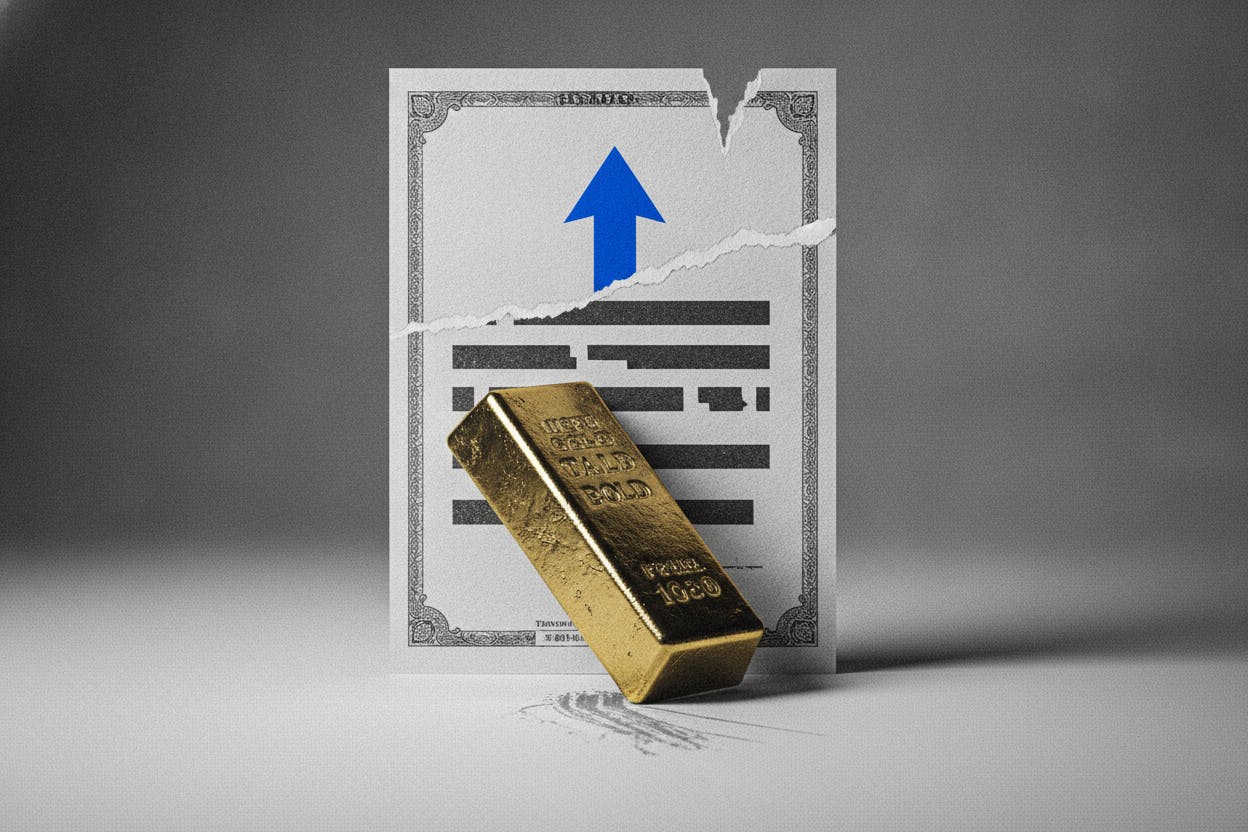
Gold is on track for its worst month since the 2008 financial crisis, as a powerful combination of rising interest rate expectations and a strengthening US dollar drains the metal's appeal. The sell-off marks a sharp reversal for an asset that had been buoyed by inflation fears and geopolitical uncertainty earlier in the year.
What's driving the sell-off?
The core of the problem for gold is a dramatic shift in how traders view the path of US monetary policy. According to data from the CME FedWatch Tool, markets are now pricing in three more quarter-point rate hikes from the Federal Reserve this year, with roughly a 64% probability of a move in September. That is a significant change from just a few months ago, when many expected the central bank to pause or even cut rates.
Higher interest rates are a double-edged sword for gold. First, they raise the so-called 'real yield' on US government bonds — the return after inflation. When bonds offer a better inflation-adjusted return, the opportunity cost of holding gold, which pays no interest or dividends, becomes much steeper. Second, higher rates tend to support the US dollar, and since gold is priced in dollars, a stronger greenback makes bullion more expensive for buyers using other currencies, dampening global demand.
The US dollar index has climbed steadily in recent weeks, adding to the pressure on commodities priced in the currency. This dynamic has been particularly evident in other markets as well; for instance, the Aussie Dollar Hits Three-Month Low as Yield Gap with US Shrinks, reflecting the broader strength of the greenback.
Gold's competing forces
Gold has historically been seen as a safe-haven asset and a hedge against inflation. During periods of economic uncertainty or rising prices, investors often flock to bullion. However, the metal's performance is also heavily influenced by the interest rate environment. When rates are low or falling, gold tends to shine because there is little competition from yield-bearing assets. When rates rise, that calculus flips.
The current situation is a textbook example of that tension. While inflation remains above the Fed's 2% target, the central bank's commitment to further tightening is overwhelming gold's traditional inflation-hedge narrative. Traders are essentially betting that the Fed will prioritize fighting inflation even if it means slowing the economy, a stance that has boosted the dollar and pushed bond yields higher.
This is not just a US story. Central banks around the world are grappling with similar dynamics. The RBA Holds Rates at 4.35% But Warns Inflation Fight Not Over, signaling that global monetary policy remains tight. Meanwhile, in China, the China's Central Bank Doubles Overnight Cash Injections to Ease Month-End Funding Squeeze shows that policymakers in the world's largest gold consumer are focused on liquidity management, which can also influence demand for the metal.
What it means for investors
For everyday investors, the message is clear: gold's price is being pulled in opposite directions by inflation fears and rising rates. The current rout highlights the risk of assuming that gold always rises when inflation is high. In reality, the metal's performance depends heavily on what central banks are doing with interest rates.
Investors holding gold or gold-focused exchange-traded funds (ETFs) should be aware that the near-term outlook remains challenging as long as the Fed stays on its tightening path. The stronger dollar is a particular headwind, as it reduces the metal's appeal for international buyers. However, gold could find support if economic data weakens enough to force the Fed to reverse course, or if geopolitical tensions flare up again.
It is also worth noting that gold's decline is part of a broader shift in commodity markets. Aluminum Prices Hit Four-Month Low as Strait of Hormuz Tensions Ease, and the Baltic Dry Index Hits Two-Month Low as Capesize Rates Slump on Weaker Commodity Demand, suggesting that demand concerns are weighing on raw materials across the board.
Ultimately, gold's worst month since 2008 is a stark reminder that even the most traditional safe havens are not immune to the powerful forces of monetary policy and currency markets. Investors should keep a close eye on Fed speeches and upcoming inflation data for clues about the next move in rates — and by extension, the next move in gold.