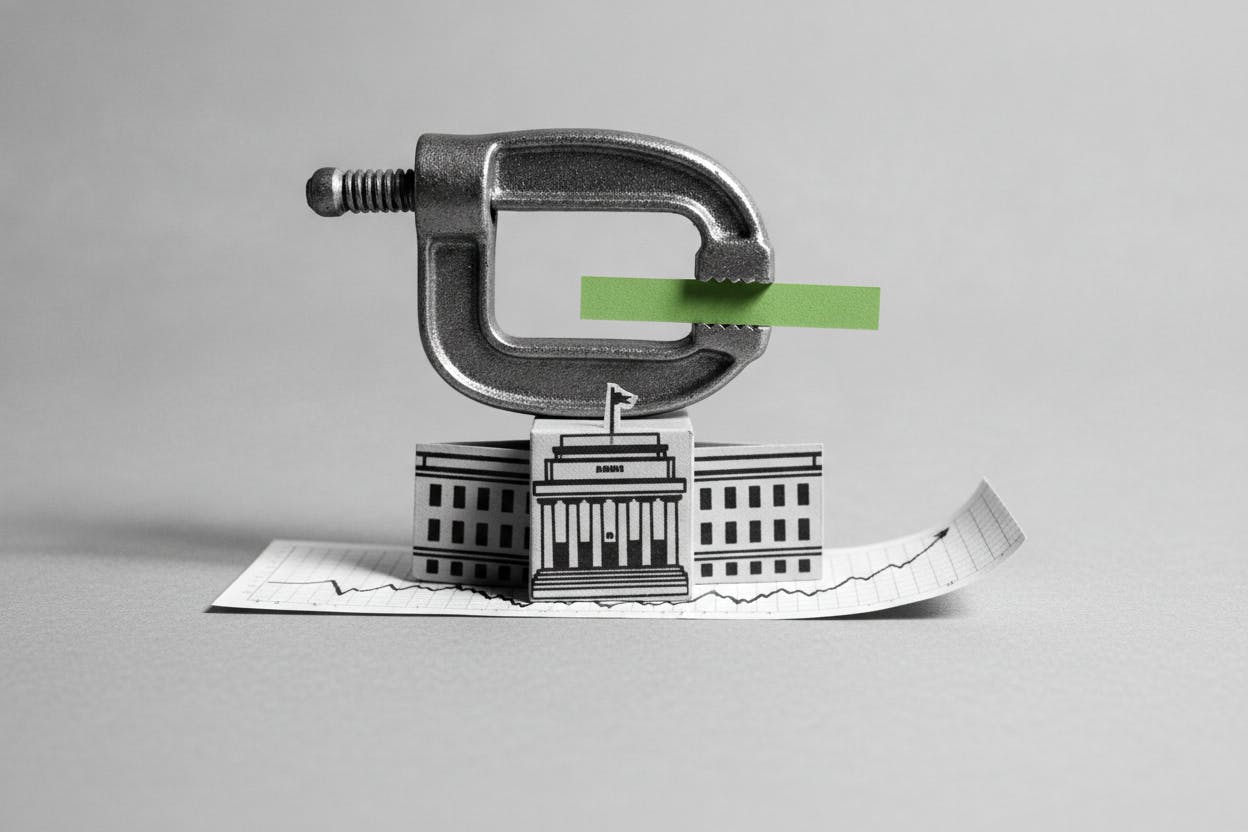
The Reserve Bank of Australia (RBA) left its cash rate unchanged at 4.35% at its June meeting, but the minutes released this week show the central bank is far from declaring victory over inflation. Policymakers explicitly kept the door open to further rate increases if price pressures prove stubborn and productivity remains weak.
What the RBA Minutes Reveal
The RBA's cash rate is the benchmark interest rate that influences borrowing costs across the Australian economy. At 4.35%, it is at its highest level in over a decade, following a series of aggressive hikes that began in 2022. The June decision to hold steady was widely expected by markets, but the tone of the minutes was notably cautious.
According to the minutes, board members discussed the possibility that inflation could remain above target for longer than anticipated. They pointed to persistent price pressures in services and sticky inflation in areas like rent and insurance. Weak productivity growth was also flagged as a concern, as it can fuel inflation by pushing up unit labor costs without corresponding output gains.
The RBA's inflation target is 2-3% over the medium term. Recent data has shown inflation moderating but still above that range, with the monthly CPI indicator hovering around 3.6% in April. The minutes suggest the board is not confident that inflation will return to target quickly enough without further policy tightening.
Broader Economic Context
The RBA's stance comes against a backdrop of global uncertainty. Central banks in other major economies, including the US Federal Reserve and the European Central Bank, have also been grappling with sticky inflation. In Australia, consumer confidence has been fragile, though it edged up slightly in recent weeks as inflation expectations dipped. However, the RBA's hawkish minutes could dampen that optimism.
Productivity is a key variable. Australia has experienced weak productivity growth for several years, which the RBA has repeatedly highlighted as a structural issue. Without productivity gains, wage increases can feed directly into higher prices, making the central bank's job harder. The minutes noted that if productivity does not improve, the economy may need higher interest rates to keep inflation in check.
Global factors are also at play. Rising oil prices, partly driven by geopolitical tensions, have added to inflation concerns. The surge in oil prices has pushed up transport and energy costs, which can ripple through the economy. Similarly, higher bond yields in major markets like Japan and the US have created a tighter financial environment globally, which can influence the RBA's thinking.
What It Means for Investors
For everyday investors, the RBA's message is clear: interest rates are likely to stay higher for longer, and there is a real chance of another hike if inflation does not cooperate. This has several implications.
Borrowers face continued pressure. Anyone with a variable-rate mortgage or business loan should prepare for the possibility that rates could rise further. Fixed-rate borrowers rolling off low-rate loans may also face significantly higher repayments. The RBA's stance suggests that relief in the form of rate cuts is not imminent.
Bond markets are watching closely. Australian government bond yields have already moved higher in anticipation of a more hawkish RBA. Higher yields can make bonds more attractive relative to stocks, potentially weighing on equity valuations. Investors in fixed-income securities should note that the RBA's inflation concerns could keep yields elevated.
Equity sectors may diverge. Sectors sensitive to interest rates, such as real estate, utilities, and consumer discretionary, could face headwinds if rates stay high or rise further. On the other hand, banks may benefit from wider net interest margins if the RBA hikes again, though higher rates could also slow lending growth. Resources and energy stocks may be more influenced by global commodity prices than domestic rates.
Inflation-linked investments gain relevance. With the RBA still battling inflation, assets that offer some protection against rising prices, such as inflation-linked bonds or certain commodity exposures, may be worth considering. However, investors should be cautious about overreacting to a single meeting's minutes.
Looking Ahead
The RBA's next meeting is in August, and markets will be parsing every data release between now and then. Key indicators include the quarterly CPI report due in late July, employment data, and productivity figures. If inflation surprises to the upside, the case for a rate hike will strengthen.
The minutes also highlighted that the board discussed the risk of keeping rates too high for too long, which could damage the economy. But for now, the balance of risks is tilted toward further tightening. As the RBA itself put it, the board remains vigilant and ready to act if needed.
For investors, the takeaway is to stay diversified and avoid assuming that rate cuts are around the corner. The RBA's fight against inflation is not over, and the path forward remains uncertain.