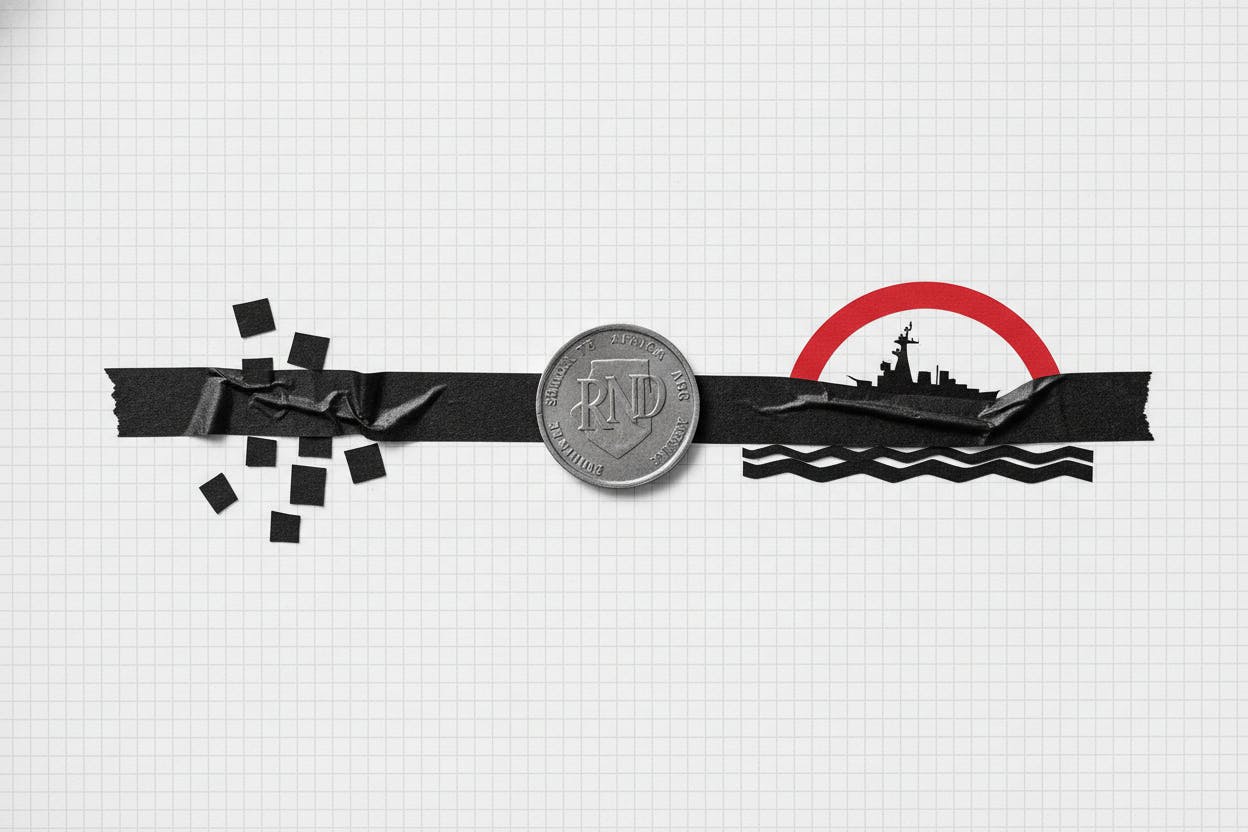
South Africa's rand traded near 16.18 per dollar on Tuesday, holding its ground as a softer-than-expected US producer price index (PPI) print cooled speculation about a September interest rate hike by the Federal Reserve. However, the currency's gains were capped by lingering geopolitical tensions between the US and Iran, which kept global risk appetite fragile.
What's driving the rand?
The rand is highly sensitive to global risk sentiment. When investors feel confident, they tend to move money into emerging-market currencies like the rand, which offer higher yields. But when uncertainty rises, they often pull back to safer assets like the US dollar.
The latest catalyst was the US PPI report, which measures wholesale inflation. A softer reading suggests price pressures may be easing, reducing the need for the Fed to raise rates aggressively. That's positive for emerging markets because higher US rates tend to attract capital away from riskier assets, strengthening the dollar and pressuring currencies like the rand.
As soft July PPI data pushed the dollar lower and trimmed Fed hike odds, the rand found some support. But the mood remained cautious after reports that the US signaled it could maintain its naval blockade of Iran indefinitely, raising the risk of a prolonged standoff in the Middle East.
Why Iran matters for the rand
The US-Iran standoff has broader implications for global markets. A prolonged blockade could disrupt oil shipments through the Strait of Hormuz, a critical chokepoint for global energy supplies. That could push oil prices higher, which tends to hurt oil-importing nations like South Africa.
Higher oil prices can widen South Africa's trade deficit and put upward pressure on inflation, complicating the central bank's policy decisions. For now, the rand has managed to stay stable, but any escalation in the conflict could quickly change that.
Investors are also watching how other emerging-market currencies are reacting. For instance, AI chip demand lifted the Taiwan dollar and South Korea's won as tech shares rallied, showing that regional factors can drive currency moves. But for the rand, the key drivers remain global risk appetite and US monetary policy.
What it means for investors
For everyday investors, the rand's stability is a double-edged sword. On one hand, a steady currency helps keep imported inflation in check, which is good for consumers. On the other hand, if the rand weakens, it can push up the cost of goods and services, eroding purchasing power.
For those with exposure to South African assets, the rand's direction is a key indicator. A stronger rand can boost returns for foreign investors holding local stocks and bonds, while a weaker rand can drag on those returns. But it's important to remember that currency movements are just one piece of the puzzle.
Looking ahead, investors will be watching for any new developments in the US-Iran situation, as well as upcoming US economic data that could influence the Fed's next move. As jobless claims ticked up to 209,000 recently, the labor market remains steady, but any surprises could shift rate expectations.
The bigger picture
The rand's resilience reflects a broader trend in emerging markets, where currencies have been supported by expectations that global interest rates may have peaked. However, geopolitical risks remain a wildcard. The situation in the Middle East is fluid, and any escalation could quickly reverse the current calm.
For now, the rand is holding its own, but investors should stay alert. The combination of softer US inflation and geopolitical tension creates an uncertain environment. As always, diversification and a long-term perspective are key for navigating such volatility.
In the meantime, other markets are also reacting to the same forces. European stocks held steady as oil and metals slipped, while Gulf stocks were mixed as Hormuz shipping risks clashed with softer oil demand. These cross-currents highlight how interconnected global markets have become.
For South African investors, the key takeaway is that the rand's fate is tied to forces far beyond its borders. Keeping an eye on US inflation data, Fed policy signals, and geopolitical developments will be crucial in the weeks ahead.