Gold prices slipped at the start of the week, hovering near $4,037 an ounce, as investors balanced concerns about oil-driven inflation against a heavy calendar of US employment data that could shape the Federal Reserve's next moves.
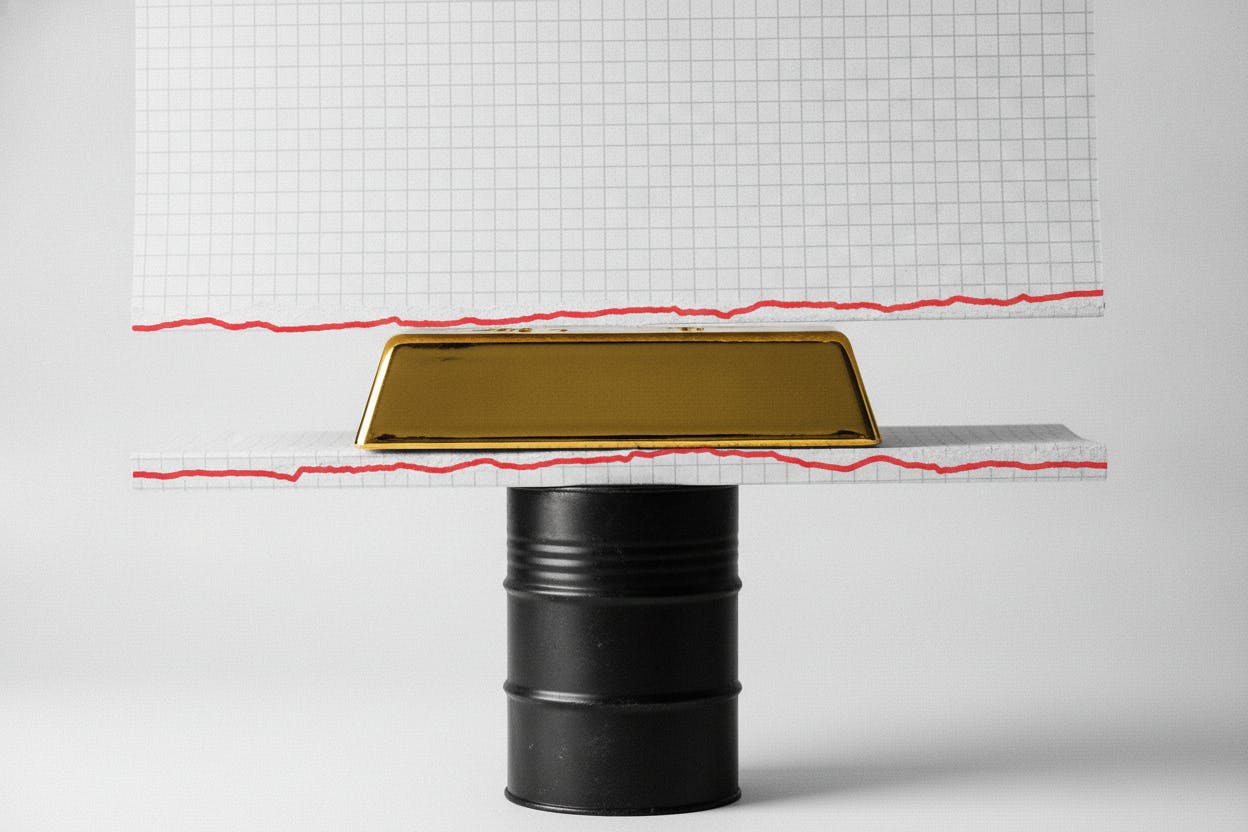
The precious metal has been trading in a relatively tight band of roughly $4,000 to $4,200 for more than a month, even as Brent crude oil jumped more than 20% last month. That jump in energy prices has reignited worries that inflation could stay stickier than hoped, which in turn complicates the Fed's path on interest rates.
Why oil matters for gold
Gold is often seen as a hedge against inflation, but its relationship with interest rates is more nuanced. Because bullion pays no interest or dividend, its appeal tends to fade when investors can earn a solid return from cash or bonds. When inflation is high, central banks like the Fed typically raise interest rates to cool the economy. Higher rates make holding gold more costly in terms of foregone interest, which is why gold often struggles in a rising-rate environment.
The recent surge in oil prices has made that dynamic more complicated. If energy costs keep pushing overall prices up, the Fed may feel pressure to keep interest rates elevated for longer to prevent inflation from becoming entrenched. That would raise the so-called "real rate" — the return investors earn after accounting for inflation — and increase the opportunity cost of holding gold.
As one market watcher put it, "higher oil prices can keep inflation sticky, which makes it easier for the Fed to argue for keeping interest rates high for longer." That argument is a headwind for gold, even though the metal is traditionally viewed as a store of value during uncertain times.
A busy week for jobs data
Adding to the mix, this week brings a packed slate of US jobs data. Reports on job openings, private payrolls, and the closely watched nonfarm payrolls figure are all due. These numbers give the Fed a read on the health of the labor market, which is a key input for its rate decisions.
Strong job growth could signal that the economy can handle higher rates, giving the Fed more room to keep them elevated. Conversely, signs of weakness might prompt the Fed to consider cutting rates sooner, which would be more supportive for gold. Traders are also listening closely to comments from Fed officials for clues about the likely direction of policy.
The dollar has firmed as traders brace for the jobs report and Fed clues, which adds another layer of pressure on gold. A stronger dollar makes gold more expensive for buyers using other currencies, often weighing on demand.
What it means for investors
For everyday investors, the key takeaway is that gold's recent range-bound trading reflects a tug-of-war between inflation fears and rate expectations. If oil prices keep climbing, inflation worries could support gold as a hedge. But if the Fed responds by keeping rates high, that could limit gold's upside.
Investors should also keep an eye on the broader energy market. Recent headlines about oil prices dropping on US-Iran talks show how quickly the geopolitical landscape can shift, and that volatility can spill into gold and other assets.
It's also worth noting that gold's performance is not just about the Fed. Central banks around the world, including the Bank of Japan, have been discussing inflation dynamics. The BOJ has said an AI investment wave could keep Japan's inflation sticky, a reminder that inflation pressures are a global phenomenon.
For those with gold in their portfolios, the metal's long-term role as a diversifier remains intact, but short-term moves will likely hinge on the data and the Fed's reaction. As always, it's wise to focus on your own investment goals and time horizon rather than trying to time the market based on a single week of data.
In the days ahead, expect gold to remain sensitive to any surprises in the jobs numbers and to oil price swings. A clear break above or below the recent range could signal the next big move, but until then, patience may be the best strategy.