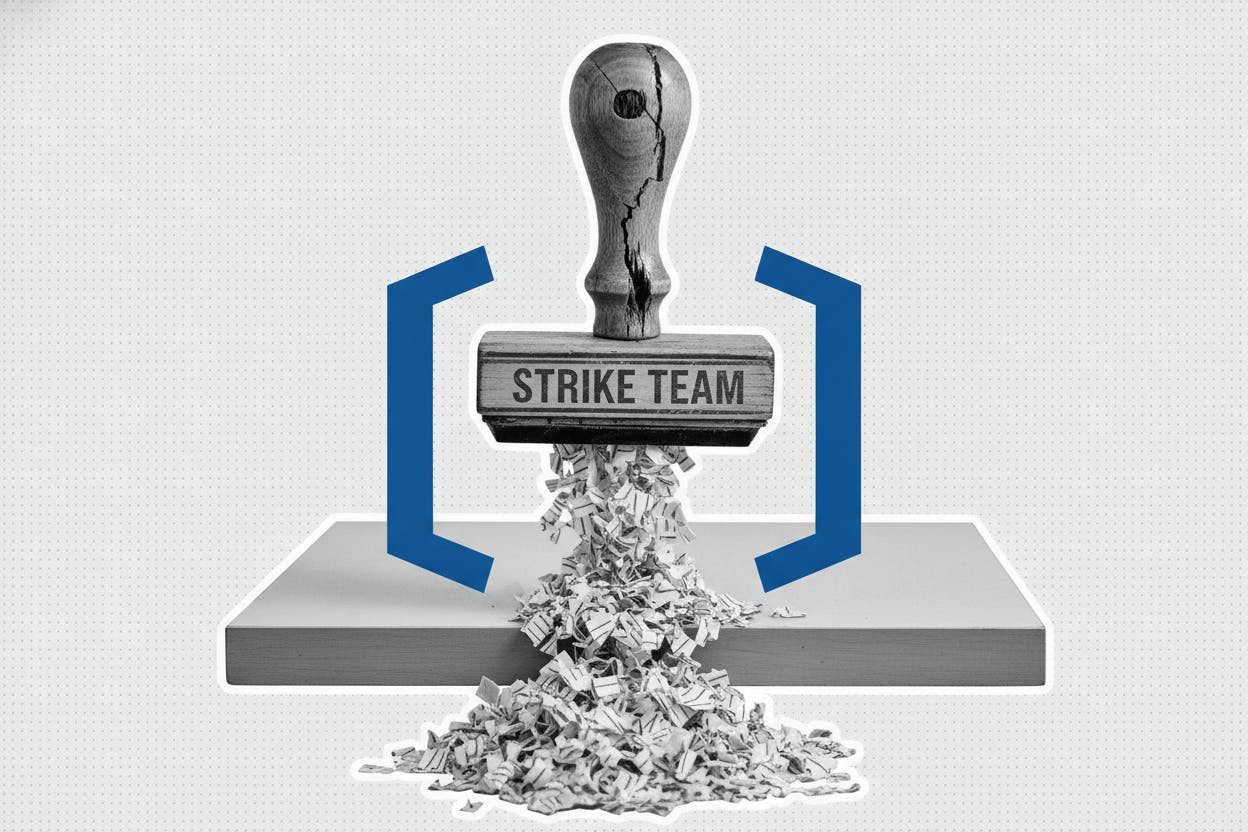
Google is expanding the scope of a newly formed AI coding “strike team” just months after its creation, tasking it with training underlying models for both programming and everyday business applications. The move comes as several well-known researchers head to rival firms, according to a report from The Information.
The team, part of Alphabet Inc., was originally set up to polish coding assistants. Now its mandate has been broadened to train the core models themselves to handle a wider range of tasks—from writing software to automating routine office work. That shift matters because these are the kinds of features that enterprise customers are willing to pay for, but they only work if the models are reliable enough to integrate into real business workflows.
Why the Expansion Matters
The decision to widen the team’s remit reflects a strategic bet on the most commercially viable parts of generative AI. By focusing on training models for coding and business tasks, Google is aiming to compete more directly with offerings from OpenAI and Anthropic, which have already gained traction in enterprise markets.
However, the timing is awkward. The Information reported that AI researcher Noam Shazeer has left Google for OpenAI, while Google executive John Jumper is heading to Anthropic. Bloomberg also reported that AI researchers Jonas Adler and Alexander Pritzel are departing. When senior talent walks out during a product push, it can slow iteration cycles and raise retention and recruiting costs, since much of the institutional knowledge about how a model was built is not written down.
“Expanding the team’s remit shifts the challenge from shipping a feature to improving the core models, where experienced researchers are hardest to replace,” said one industry analyst. “If departures lengthen development cycles, investors may lower near-term expectations for when Google can deliver enterprise-ready tools at scale.”
What It Means for Investors
For investors tracking Alphabet, the AI talent drain is a key risk. The departures of Shazeer, Jumper, Adler, and Pritzel come at a time when the company is trying to accelerate its AI product roadmap. If keeping pace with rivals requires higher compensation and bigger hiring budgets, that could show up as higher operating expenses—something the market is watching closely amid a broader focus on execution discipline.
Google’s AI push also takes place against a backdrop of broader market dynamics. For instance, recent big tech slumps have been driven by rate hike fears, even as chip stocks rally on AI demand. Meanwhile, European stocks climbed as oil rebounded, showing how macro factors can shift investor attention away from individual company stories.
The reorg reads like a bid to focus on the most commercial parts of generative AI while acknowledging a tight labor market where competitors can poach key talent. For everyday investors, the key question is whether Google can maintain its competitive edge in AI despite the brain drain. If the expanded team can deliver reliable coding and business tools faster than expected, it could boost Alphabet’s revenue growth. But if delays mount, the stock may face headwinds.
Broader Context
The AI arms race among tech giants has intensified in recent months, with companies like OpenAI and Anthropic attracting top researchers with lucrative offers. Google’s response—broadening the strike team’s mission—suggests a recognition that the real value lies in building models that solve practical business problems, not just in flashy demos.
Investors should also consider the competitive landscape. As Bumble explores a sale amid fading growth, the tech sector overall is seeing a shakeout where only the strongest AI players may thrive. For Alphabet, the ability to retain and attract talent will be critical to its long-term AI strategy.
In the near term, markets will watch for any signs that Google’s AI product timelines are slipping. If the departures lead to delays, it could weigh on Alphabet’s valuation, especially when the market is focused on product cadence and execution discipline. Conversely, if the expanded team can accelerate development, it could reinforce Google’s position as a leader in enterprise AI.