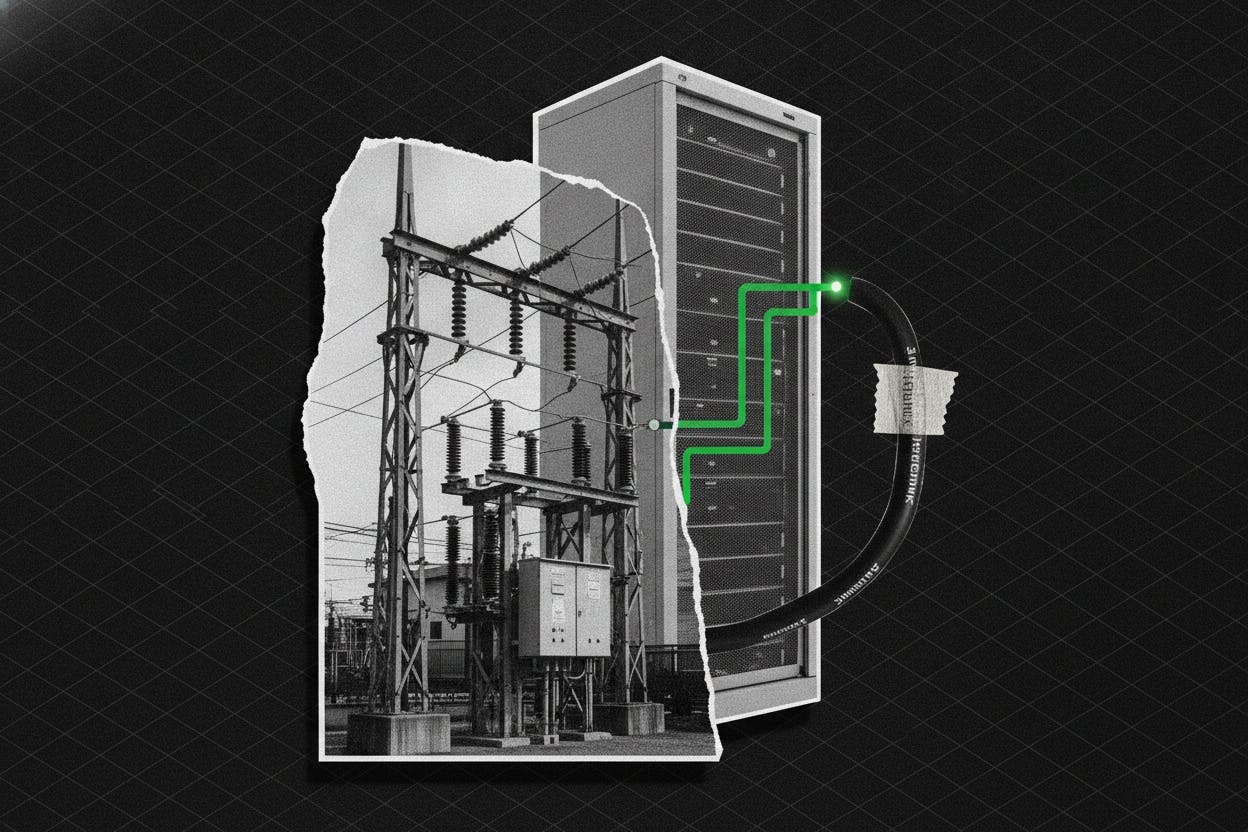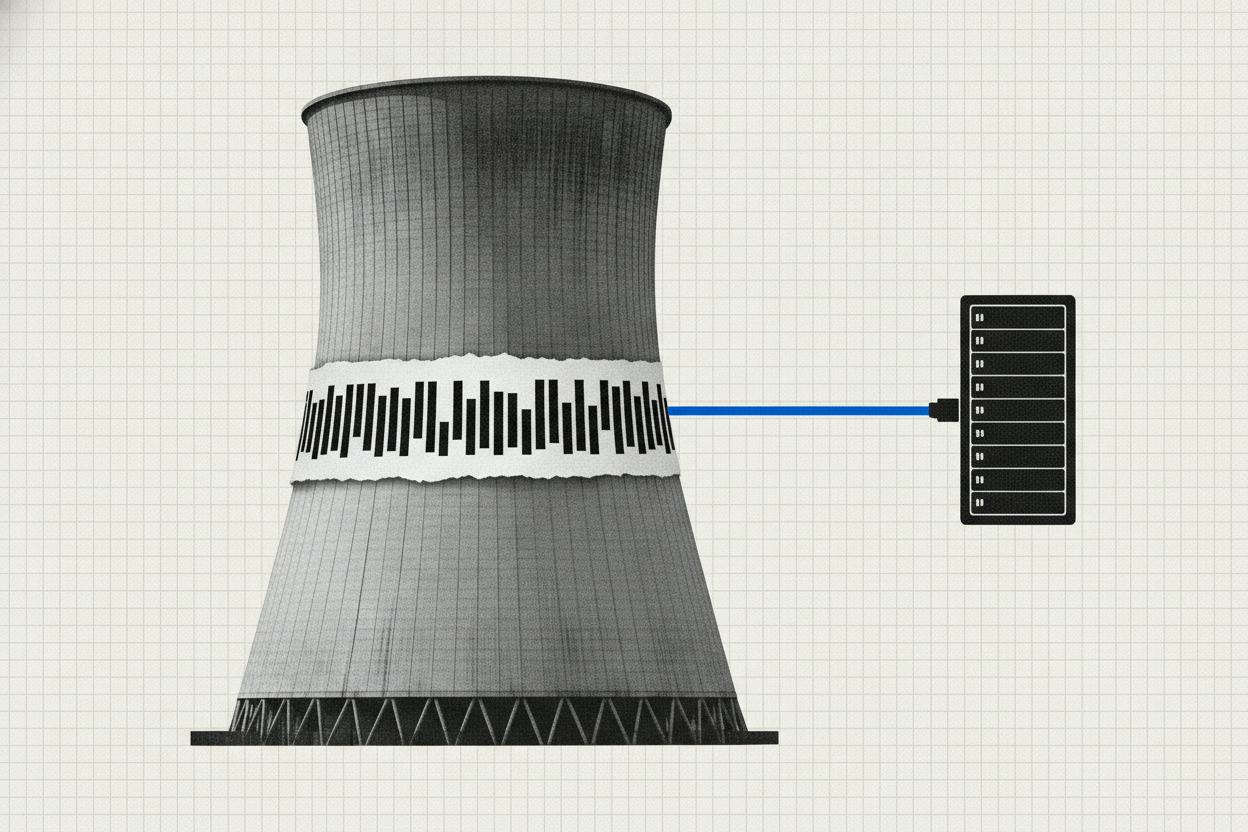
Google is close to signing a long-term deal to buy nuclear electricity from Constellation Energy, according to a Bloomberg report. The multi-year contract could be worth $1 billion or more, the report said, citing a person familiar with the matter.
If finalized, the agreement would give Google a steady stream of power from nuclear plants that run around the clock with very low carbon emissions. That is a major draw for data centers, which need electricity 24/7 and cannot easily rely on wind or solar, whose output depends on weather and time of day.
Why nuclear is attractive for big tech
Data centers are among the fastest-growing consumers of electricity, driven by the boom in cloud computing and artificial intelligence. Their power demand is constant, and they often operate in regions where grid capacity is tight. Nuclear plants, which produce baseload power, are well suited to meet that need.
But new reactors are not a quick fix. Bloomberg, citing a source, noted that brand-new reactors can take a decade or longer to get permitted and built. That means new supply cannot quickly meet rising demand, putting a premium on existing nuclear capacity.
This is not the first time a tech giant has turned to nuclear power. In recent years, other major cloud providers have signed similar deals to secure clean, always-on electricity for their data centers. The trend reflects a broader shift: as companies pledge to reduce their carbon footprints, they are looking beyond traditional renewable sources like solar and wind.
What it means for Constellation
For Constellation Energy, a large U.S. power generator with a big nuclear fleet, a contract like this could make its revenue more predictable. Power generators often sell electricity at spot prices, which can swing widely as demand, fuel costs, and weather change. A long-term power purchase agreement would shift more of Constellation's output into contracted sales, replacing that volatility with steadier cash flows that investors can more easily value.
Because new reactors take so long to come online, deals like this can also put a scarcity premium on existing, always-on nuclear capacity. That could benefit Constellation and other nuclear operators, as they may be able to command higher prices for their output.
Broader market implications
The potential deal is part of a larger pattern: big tech companies are increasingly willing to sign long, expensive contracts for reliable power. Other buyers, from cloud providers to industrial firms, may end up competing for the same limited 24/7 supply. That competition could reshape pricing and contract terms in the regions where nuclear plants operate.
For everyday investors, the news is a reminder that the energy transition is not just about building new renewables. It is also about securing reliable, low-carbon power for the digital economy. Companies that own or operate nuclear plants could see their valuations rise as demand for their output grows.
However, details on the project's size and location have not been disclosed, so the market's focus is less on one plant and more on what this signals about big tech's willingness to commit to nuclear power. Investors will be watching for further announcements, both from Google and Constellation, and from other companies that may follow suit.
In related news, natural gas prices have edged higher as a major LNG plant nears restart, highlighting the broader energy market's sensitivity to supply changes. And in the tech sector, DeepSeek is nearing a $12 billion funding round, showing how capital is flowing into AI infrastructure.
What to watch next
Investors should keep an eye on whether the Google-Constellation deal is finalized and what terms are disclosed. The size and duration of the contract, as well as the specific plants involved, will be key. Also watch for similar announcements from other tech companies, as they could signal a broader shift in how data centers are powered.
For Constellation, a deal of this magnitude would be a significant step in its strategy to lock in long-term revenue. For Google, it would be a way to meet its climate goals while ensuring its data centers have the power they need to run AI and other services.
As always, this is not a recommendation to buy or sell any stock. But understanding the dynamics of the energy market can help investors make informed decisions about companies in the sector.