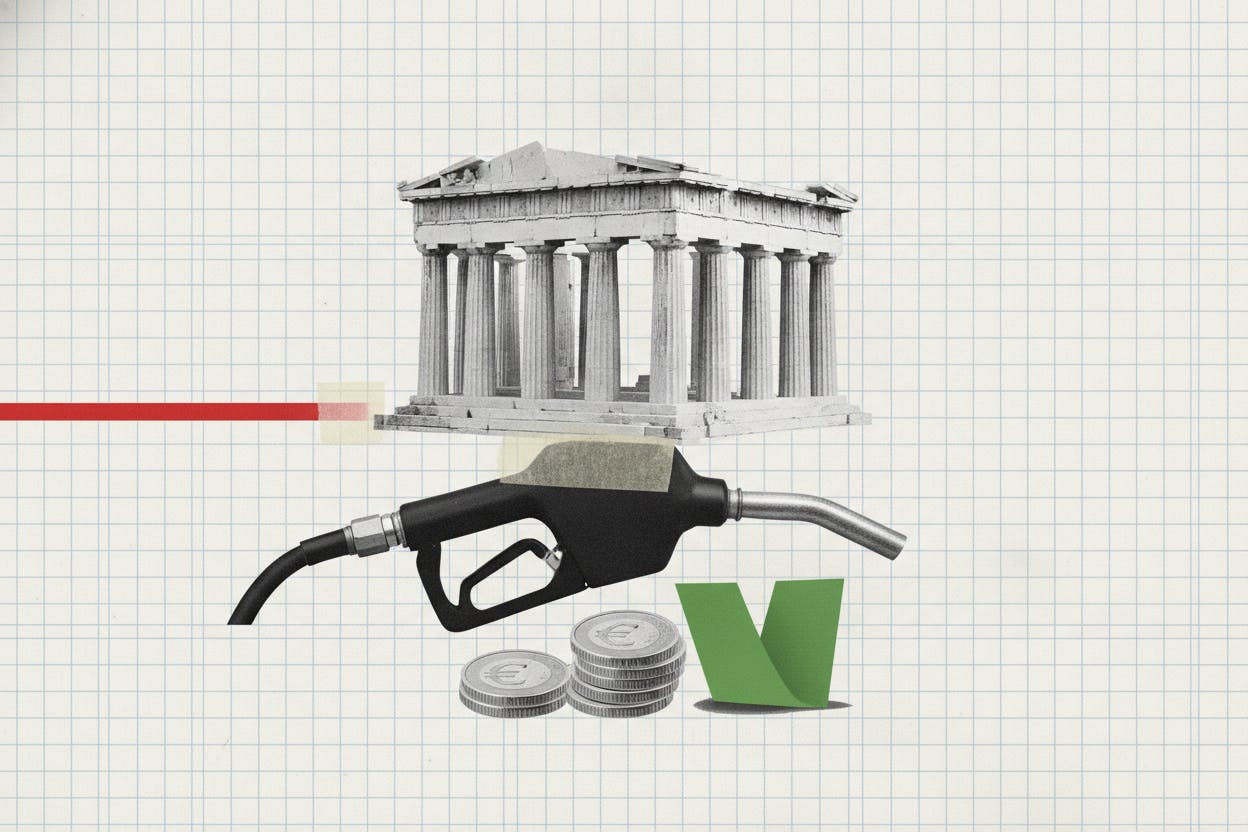
Greek drivers are getting a short-term break at the pump this summer. Prime Minister Kyriakos Mitsotakis announced in parliament that the country's two main oil refineries have agreed to cut gasoline prices by 10 cents per liter and diesel prices by 5 cents per liter through the end of August.
The temporary reduction comes as higher crude oil prices—partly driven by geopolitical tensions in the Middle East—continue to squeeze household budgets across Europe. In Greece, where summer tourism and travel drive up fuel demand, even small per-liter savings can add up quickly for families on the road.
Why Now? Cost of Living and Summer Travel
Mitsotakis made the announcement after facing pressure in parliament over rising living costs. The timing is no coincidence: summer months typically see a spike in fuel consumption as Greeks and tourists hit the highways for vacations. By cutting prices now, the government aims to provide visible relief when it matters most to consumers.
The cuts apply to both gasoline and diesel, with gasoline seeing the larger reduction at 10 cents per liter. Diesel, which is more commonly used for commercial transport and heating, gets a 5-cent cut. The refineries will absorb the cost, meaning the government is not directly subsidizing the reduction—a detail that matters for fiscal policy watchers.
Greece's reliance on imported crude oil makes it vulnerable to global price swings. Recent events, including US strikes on Iranian targets and ongoing tensions in the Strait of Hormuz, have kept oil markets on edge. While those fears have eased somewhat, crude prices remain elevated compared to earlier in the year.
What This Means for Investors
For everyday investors, this story is a reminder that government intervention in fuel markets can create short-term headwinds for refining companies. Greek refineries are voluntarily accepting thinner margins on domestic sales, which could slightly dent their second-quarter earnings. However, the impact is likely modest given the temporary nature of the cuts and the fact that refineries often operate with healthy margins during summer demand peaks.
Investors with exposure to European energy stocks should watch for similar moves in other countries. When one government steps in to cap or cut fuel prices, it often puts pressure on neighboring governments to follow suit—especially during election cycles or periods of high inflation. Greece's move could be a bellwether for broader European policy responses to cost-of-living concerns.
On the flip side, lower fuel prices are generally positive for consumer spending. When households spend less on gasoline, they have more money for other goods and services—from dining out to travel bookings. That can boost sectors like retail, hospitality, and leisure, which are already benefiting from the summer tourism season.
For those looking at Greece specifically, the country has been an increasingly popular investment destination in recent years, with economic reforms and tourism growth attracting foreign capital. This fuel price deal is unlikely to change that broader story, but it does highlight the ongoing cost-of-living challenges that could weigh on consumer confidence.
Broader Oil Market Context
The global oil market remains a key variable for investors. Oil prices have held relatively steady in recent weeks, but the risk of supply disruptions from the Middle East persists. Any escalation in the Iran conflict could send crude prices higher, potentially forcing more governments to consider similar price caps or subsidies.
Meanwhile, refining margins have been strong globally, which is why Greek refineries can afford to offer temporary discounts without major pain. Investors in major oil companies like Chevron or Exxon should note that while refining margins are healthy now, government interventions can quickly change the calculus.
For Greek consumers, the message is clear: fill up now and enjoy the savings through August. For investors, the takeaway is more nuanced—watch for policy spillovers, monitor crude oil trends, and remember that short-term government fixes don't change the long-term dynamics of supply and demand in energy markets.