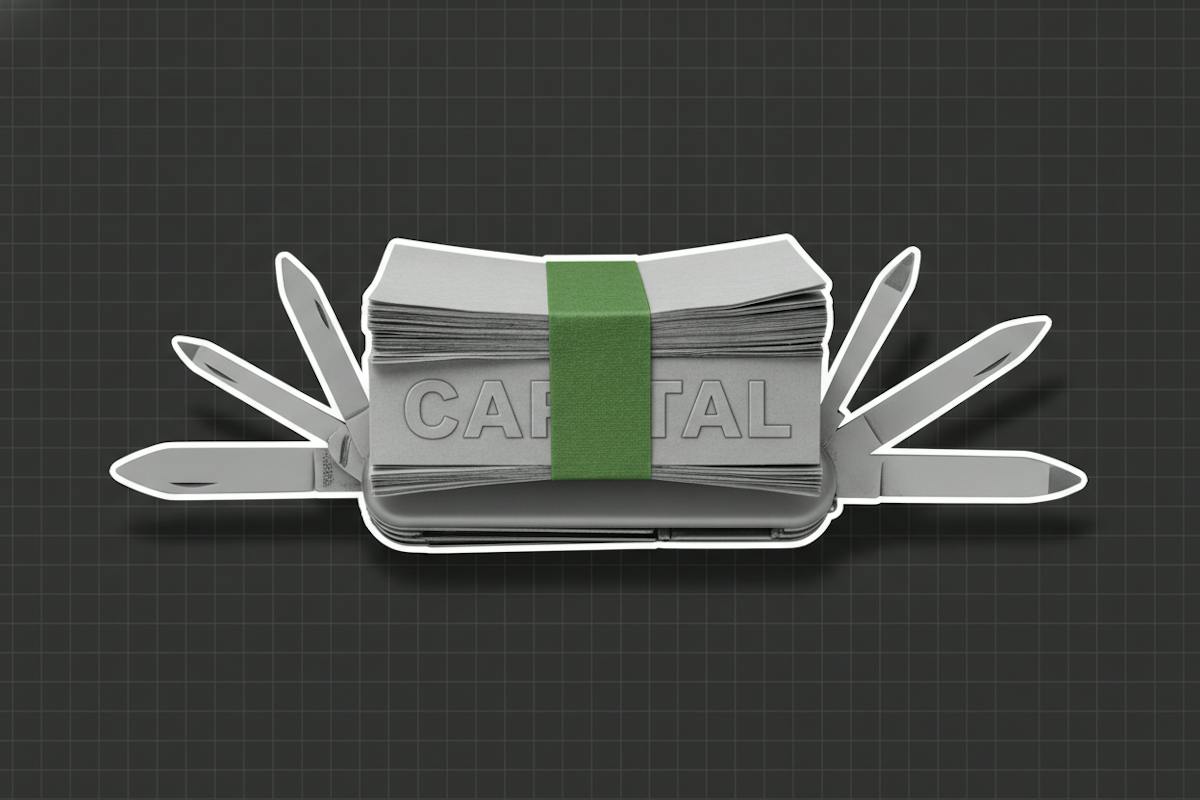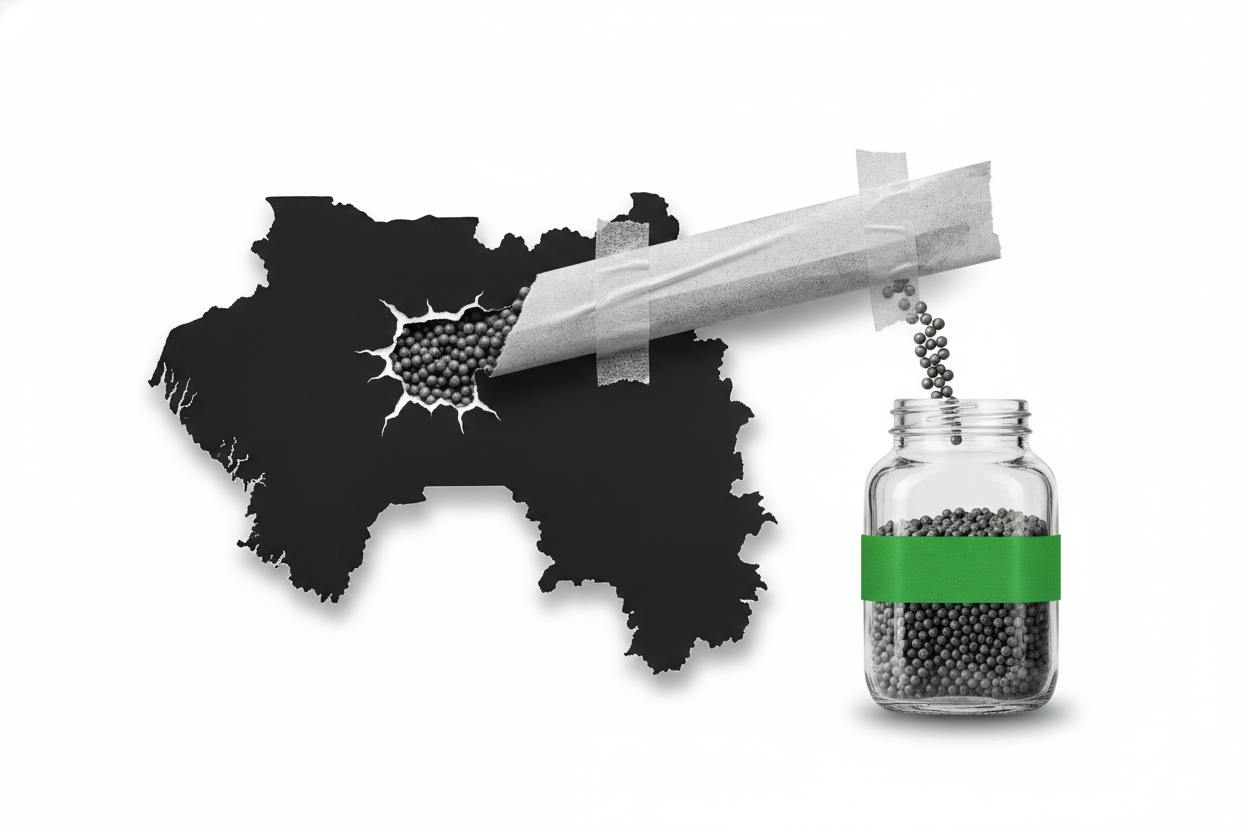
Guinea's lawmakers have approved the creation of a sovereign wealth fund that will capture 30% of revenue from the massive Simandou iron ore project, with a goal of building a $1 billion reserve within five years. The move is a bid to ensure that one of the world's largest untapped iron ore deposits translates into lasting economic stability rather than a short-lived boom.
The fund is designed to ring-fence a portion of the windfall before it hits the broader economy, a strategy that resource-rich countries often adopt to avoid the pitfalls of sudden wealth. The Simandou project, developed by a consortium led by China's Baowu and a joint venture led by Rio Tinto, is expected to generate enough income that the government says tax revenue could eventually double.
Why a sovereign wealth fund?
Resource-rich nations frequently struggle when commodity revenues surge. Spending tends to rise quickly in good years, the local currency appreciates, and costs climb, making other industries less competitive. Economists call this phenomenon "Dutch disease," and it can leave a country overly dependent on a single resource while its manufacturing and agriculture sectors wither.
Guinea's fund is intended to break that cycle. By setting aside a fixed share of Simandou revenue and investing part of it abroad, the government hopes to keep some money from immediately chasing the same local goods, services, and workers. The fund will also collect 5% of tax and other state revenue from any new mining projects approved after the law takes effect, broadening its base beyond just Simandou.
The fund's structure includes governance measures meant to limit political interference. A mostly independent board will draft the investment strategy, and a committee chaired by President Mamady Doumbouya will sign off on it. That setup matters because international institutions have been watching closely: the International Monetary Fund backed a 38-month, $417 million program and pushed for clearer fiscal rules and transparency, while the World Bank has warned that mining-led growth alone won't create enough jobs.
What the fund will invest in
Part of the money is earmarked for domestic investment in energy, transport, agriculture, and mineral processing—sectors that could help spread the benefits of the mining boom beyond the pits. Another slice will be invested abroad by outside asset managers, which helps shield the economy from the currency appreciation that often accompanies a resource windfall.
For everyday investors, the fund's creation is a signal that Guinea is trying to manage its resource wealth more prudently than many peers have done. The $1 billion target is modest relative to the scale of Simandou, but the real payoff, if the rules hold, is stability. Smoother government spending and focused investment in infrastructure and processing raise the odds that the boom becomes broader, more job-heavy growth instead of a mining-only spike.
Similar dynamics are playing out elsewhere. In Canada, Saskatchewan recently raised its borrowing plan despite higher oil revenue, a reminder that resource windfalls don't always translate into fiscal caution. And in Zimbabwe, a China-backed plan to revive four gold mines highlights how resource projects often come with complex financing and governance questions.
What it means for investors
For investors in Rio Tinto or other companies involved in Simandou, the fund is a reminder that resource projects carry political and fiscal risks. A sovereign wealth fund that functions well can reduce the risk of sudden tax hikes or spending-driven inflation, which is generally positive for long-term project economics. But if governance falters, the fund could become a source of fiscal instability.
The broader lesson is that resource wealth is a double-edged sword. Countries that manage it well—like Norway with its oil fund—can turn finite resources into lasting prosperity. Those that don't often end up with what economists call the "resource curse": slower growth, corruption, and economic volatility. Guinea's move is an attempt to avoid that fate.
Investors should watch how the fund is actually implemented. Key questions include whether the board remains independent, whether the 30% share is consistently enforced, and whether the domestic investments deliver tangible improvements in infrastructure and processing capacity. If those pieces fall into place, the fund could help Guinea's economy diversify beyond mining, which would be a positive for the country's long-term creditworthiness and for companies operating there.
For now, the approval is a policy milestone, but the hard part is execution. As with any sovereign wealth fund, the test will be whether the rules survive political and economic pressures. If they do, Guinea could offer a rare example of a resource-rich country turning a boom into a buffer.