Gulf stock markets mostly climbed early Monday after President Donald Trump paused a potential military strike on Iran, a move that traders read as a sign that tensions around the crucial Strait of Hormuz could cool. The relief rally was led by Dubai, whose main index rose 1%, while oil prices slipped sharply, reflecting reduced fears of a supply disruption.
What happened
Late Saturday, Trump wrote on his Truth Social platform that Iran and other Middle Eastern countries had asked for more time to finalize a deal that would “immediately reopen the Strait of Hormuz,” according to Reuters. Markets took the comment as a signal that the United States was stepping back from the brink of a direct military confrontation, at least for now.
The reaction was most visible in regional equities. Dubai's benchmark index gained 1%, with lender Emirates NBD rising 1.9%. Abu Dhabi and Qatar each added 0.2%, helped by a 1.2% gain in Qatari telecom firm Ooredoo. Saudi Arabia's index slipped 0.2%, dragged down by a sharp drop in Saudi Awwal Bank.
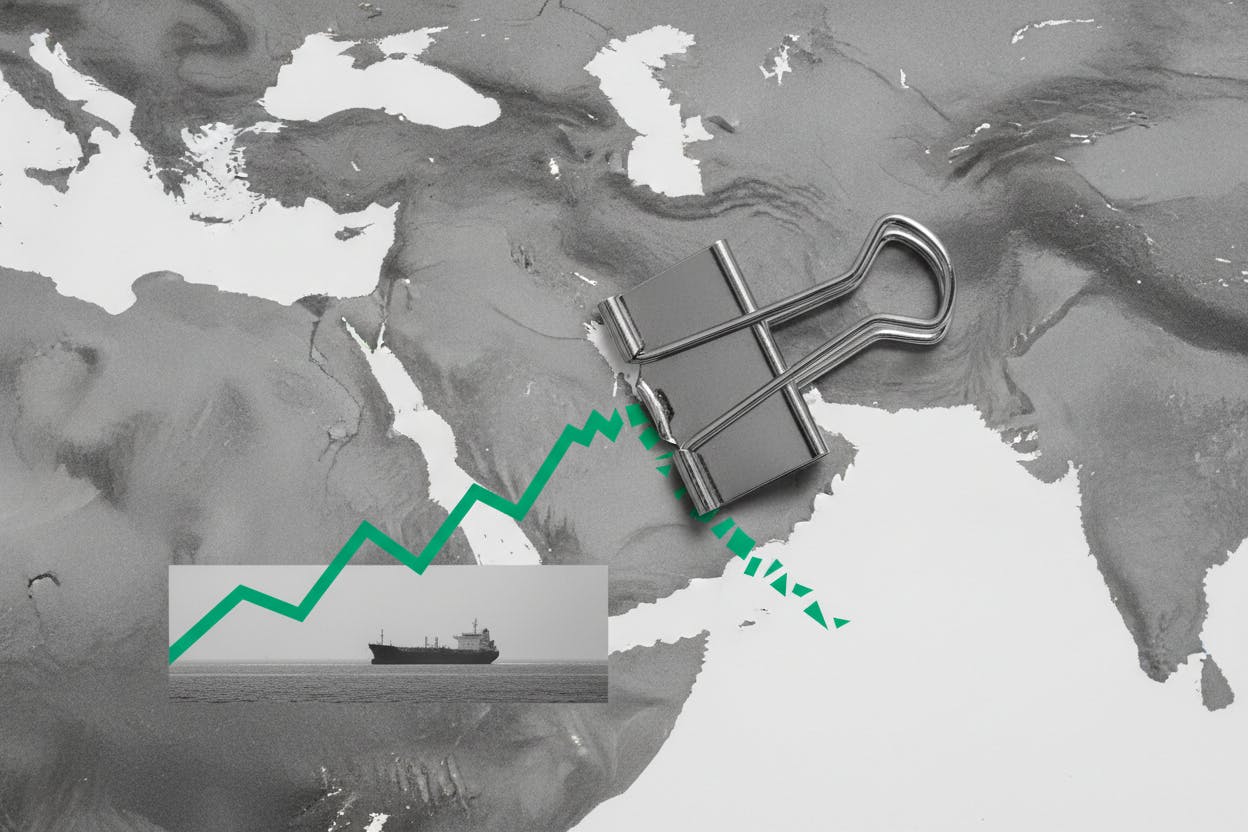
Oil also relaxed. Brent crude fell $4.65, a notable move that reflects how much of a risk premium had been built into prices on worries that a conflict could close the Strait of Hormuz, a narrow waterway through which about a fifth of the world's oil passes.
Why the Strait of Hormuz matters
The Strait of Hormuz is one of the most strategically important chokepoints for global energy. It sits between Iran and Oman, connecting the Persian Gulf with the Gulf of Oman and the open ocean. A large share of the world's crude oil and liquefied natural gas travels through it, so any threat to shipping there can quickly push energy prices higher.
When tensions spike, investors often bid up oil and safe-haven assets like gold, while stocks in the region and globally can wobble. When the threat recedes, the opposite happens: oil tends to give back gains, and equities can recover. That pattern was on display Monday, as oil prices dropped over $4 while Gulf stocks mostly rose.
The pause in a potential strike also lifted sentiment beyond the Gulf. European stocks edged higher as oil slipped on hopes of US-Iran talks, and gold, which had been supported by safe-haven demand, gave back some ground. The broader picture is that markets are highly sensitive to any headline from the region, and this one pointed toward diplomacy rather than conflict.
What it means for investors
For everyday investors, the key takeaway is that geopolitical events can create sharp but often short-lived moves in energy prices and regional stocks. A single tweet or statement can shift the risk premium in oil by several dollars, as seen with the $4.65 drop in Brent.
If you hold broad market index funds or ETFs, the direct impact of a Gulf stock move may be limited, but the ripple effects on oil and global risk sentiment can touch many sectors. Energy companies, airlines, and shipping firms are particularly sensitive to oil price swings. A drop in crude can hurt oil producers' profits but help consumers and industries that rely on fuel.
It's also worth noting that the situation remains fluid. The pause is not a resolution. Trump's statement suggests negotiations are ongoing, but the possibility of renewed tensions hasn't disappeared. Investors should expect continued volatility in oil and regional markets as long as the standoff continues.
For those with a long-term perspective, it's usually wise to avoid making drastic portfolio changes based on daily geopolitical headlines. Instead, focus on diversification and your own risk tolerance. As always, past performance is no guarantee of future results, and it's important to consider your own financial situation before making any investment decisions.
Looking ahead
Markets will be watching for any further statements from Washington or Tehran, as well as any concrete signs of a deal to reopen the Strait of Hormuz. Oil traders will also keep an eye on inventory data and global demand signals, while regional investors will watch whether the diplomatic tone holds.
For now, the pause has provided a measure of relief, but the underlying tensions remain. As gold gains and oil drops show, the market's mood can shift quickly. Staying informed and keeping a balanced portfolio is often the best strategy in such uncertain times.