US stock futures edged higher on [day] as oil prices fell for a second straight session and the Federal Reserve, under new Chair Kevin Warsh, delivered its first interest rate increase while signaling that further hikes could be on the way. The move marks a significant shift in monetary policy after years of easy money, and investors are now recalibrating their expectations for the path of rates.
Oil's slide eases inflation fears
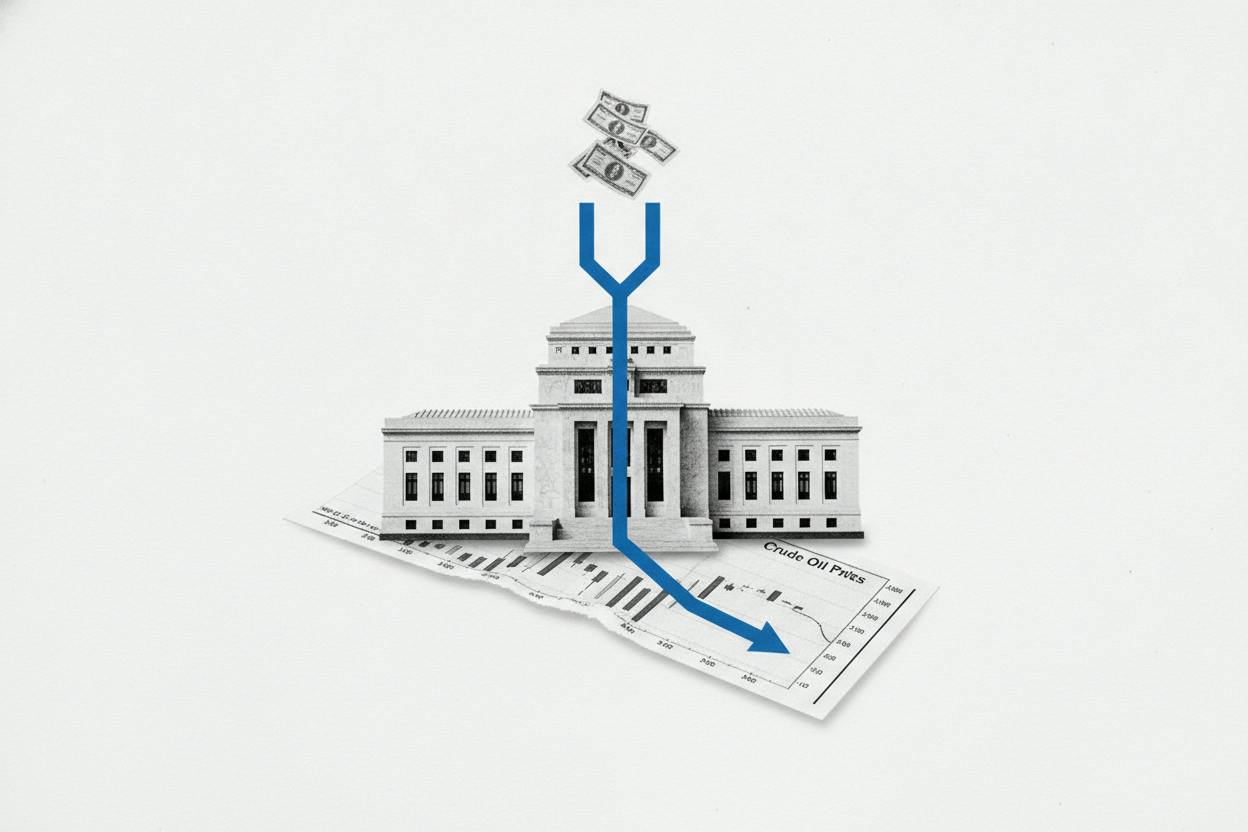
Crude oil's decline provided a welcome relief for markets, as it helped calm one of the biggest worries hanging over the economy: that higher energy prices would keep inflation hot and force the Fed into a faster, more aggressive tightening cycle. With oil slipping for a second day, traders saw a reduced risk of a sustained inflation spike, which in turn supported equity valuations.
Lower oil prices can act like a tax cut for consumers and businesses, reducing costs across the economy. For everyday investors, this means that the pressure on household budgets from fuel and shipping costs may ease, potentially supporting corporate profit margins.
Warsh's hawkish message
Despite the oil-driven relief, Chair Warsh's tone was decidedly hawkish. He made it clear that rates are moving up and that the next decision will depend on incoming economic data. This combination—lower inflation pressure from oil, but clearer guidance from the central bank—can be oddly comforting for markets because it reduces guesswork about how policymakers will react.
When the Fed communicates its intentions clearly, investors can better price in the future path of rates, which reduces volatility. The market's positive response suggests that traders are willing to accept higher rates as long as they are predictable and data-driven.
What this means for investors
For the average investor, a rate hike has several ripple effects. Higher interest rates typically make borrowing more expensive, which can slow down consumer spending and business investment. They also tend to weigh on bond prices, as yields rise, and can make growth stocks less attractive because their future earnings are discounted at a higher rate.
However, the fact that stocks are climbing despite the hike suggests that investors are focusing on the positive side: the Fed is acting to keep inflation in check, which could prevent the economy from overheating. A well-timed rate hike can extend the economic cycle, rather than cut it short.
Investors will be watching closely for clues about the Fed's next moves. The phrase "data-dependent" is key—it means that every jobs report, inflation reading, and consumer spending figure will be scrutinized for hints about future rate decisions. This could lead to increased market volatility in the coming weeks as new data points are released.
Global ripple effects
The Fed's decision has implications beyond US borders. Many central banks around the world look to the Fed as a guide, and some have already followed suit. For instance, UAE and Saudi Arabia have matched the quarter-point hike, reflecting their currency pegs to the dollar. Meanwhile, Asian markets were mixed as oil slipped but Hong Kong followed the Fed's hike.
The stronger dollar, a typical consequence of higher US rates, can pressure emerging market currencies and make dollar-denominated debt more expensive for those countries. This is a dynamic that investors with international exposure should keep in mind.
Looking ahead
The coming days will be crucial as markets digest the Fed's move and its implications. Treasury yields have already risen in response to the hike, and further moves will depend on economic data. European stocks edged higher as oil slipped and bond markets calmed, suggesting that the initial shock of the hike is wearing off.
For now, the message from the Fed is clear: rates are on an upward path, but the pace will be measured and data-driven. Investors should prepare for a period of adjustment, but the combination of falling oil prices and clear Fed guidance may provide a stable foundation for markets in the near term.