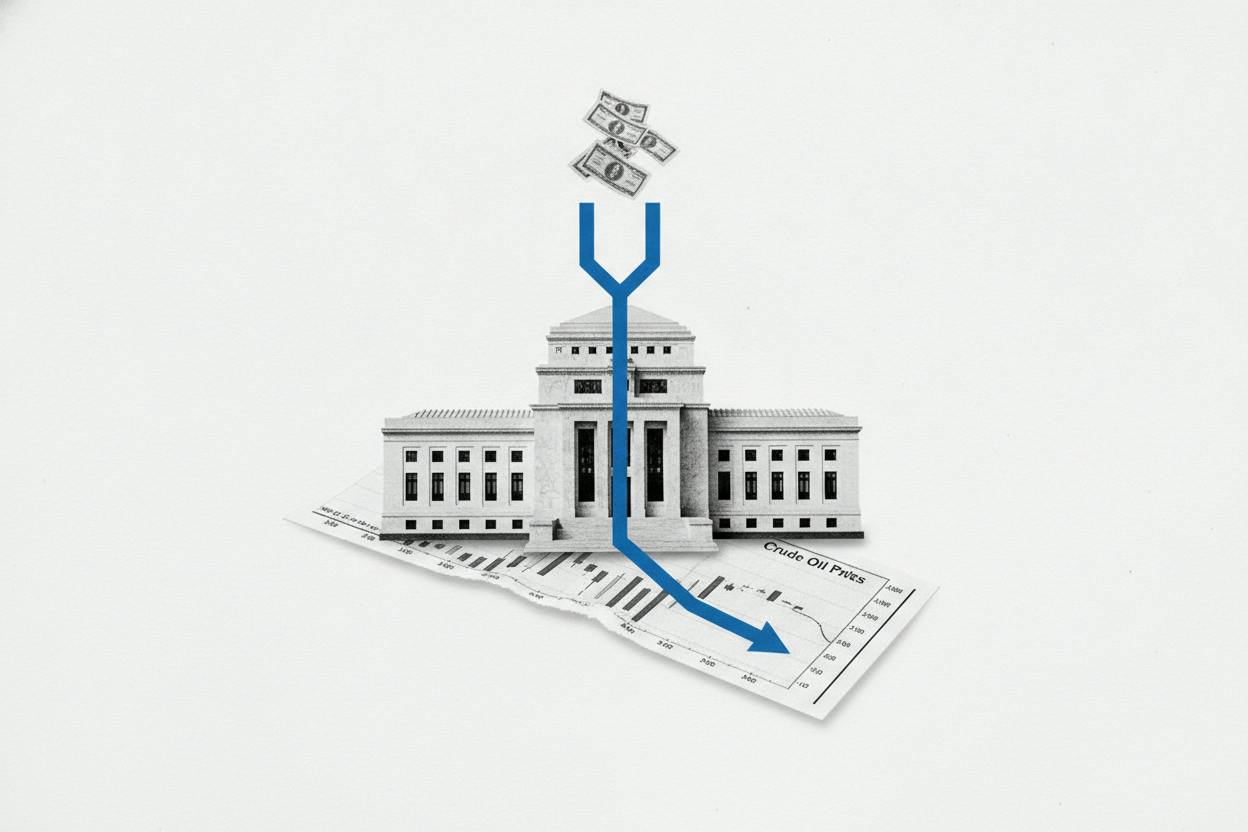
Asian stock markets were mixed on Thursday as a drop in oil prices offered some relief, but rising interest rates kept investors cautious. Hong Kong's central bank matched the Federal Reserve's latest quarter-point rate increase, underscoring the global shift toward tighter monetary policy.
Oil slips on supply hopes
Brent crude, the international benchmark, fell 2.2% to $103.52 a barrel. The decline came after reports that Saudi Arabia may expand shipments through waters near Oman using ship-to-ship transfers. That method allows oil to be moved between vessels, potentially adding to near-term supply and easing some concerns about tightness in the market.
Lower energy prices can be a positive for economies that rely heavily on oil imports, as they reduce costs for businesses and consumers. For investors, cheaper oil often translates into better margins for companies outside the energy sector and less pressure on inflation.
Hong Kong follows the Fed
Meanwhile, the Hong Kong Monetary Authority (HKMA), the city's de facto central bank, raised its policy rate by a quarter point. The move was widely expected because Hong Kong's currency is pegged to the U.S. dollar, so its interest rates tend to track those set by the Federal Reserve.
The Fed's hike, announced the previous day, was part of its ongoing effort to cool inflation. By matching that move, Hong Kong kept its currency peg stable but also kept local borrowing costs elevated. That can weigh on property prices and consumer spending, which are key drivers of Hong Kong's economy.
Across the region, the picture was mixed. Some markets rose on the back of cheaper oil and hopes that AI-related demand could support tech stocks, while others fell as higher rates made riskier assets less attractive. The dollar's strength also pressured Asian currencies, making dollar-denominated debt more expensive to service.
What it means for investors
For everyday investors, the tug-of-war between falling oil prices and rising rates is a reminder that markets are balancing competing forces. On one hand, cheaper energy can help bring inflation down, which might eventually lead central banks to pause their rate hikes. On the other hand, higher rates today increase the cost of borrowing for companies and consumers, which can slow economic growth.
Investors should watch how long oil prices stay low and whether other central banks follow the Fed's lead. In Asia, some Gulf states have already matched the Fed, while others like Taiwan have held rates steady. The divergence reflects different economic conditions across the region.
For those with diversified portfolios, the mixed market reaction highlights the importance of not overreacting to any single day's move. Energy price swings and rate decisions are normal parts of the market cycle. Keeping a long-term perspective and focusing on companies with solid fundamentals can help weather short-term volatility.
As the day progressed, investors were also keeping an eye on European markets, which edged higher as oil slipped and bond markets calmed. That suggested some stability was returning after a period of turbulence.
In the coming days, the focus will likely shift to economic data and corporate earnings for clues about how businesses are coping with higher rates and lower energy costs. For now, the mixed session in Asia reflects a market that is still trying to find its footing.