Nigeria's landmark "people's IPO" for Dangote Petroleum Refinery has proven so popular that it briefly overwhelmed several fintech investment platforms, as retail investors rushed to buy shares in the $1.6 billion offering. The heavy demand prompted regulators to caution first-time buyers to stick to approved channels, according to Reuters.
What is the Dangote Refinery IPO?
Dangote Petroleum Refinery, part of the sprawling Dangote Group founded by Africa's richest man Aliko Dangote, is offering shares to the public for the first time. The listing is being pitched as an on-ramp for everyday Nigerians to own a piece of a landmark project—the refinery is one of the largest in Africa and a centerpiece of the country's efforts to reduce its reliance on imported fuel.
The IPO has been dubbed a "people's IPO" because of its unusually low entry point. Investors can buy as few as 10 shares, which costs roughly $4, making it accessible to a much wider swath of the population than typical stock offerings. Subscriptions are being routed through banks as well as a growing number of fintech investing apps that have made buying stocks as easy as using a mobile phone.
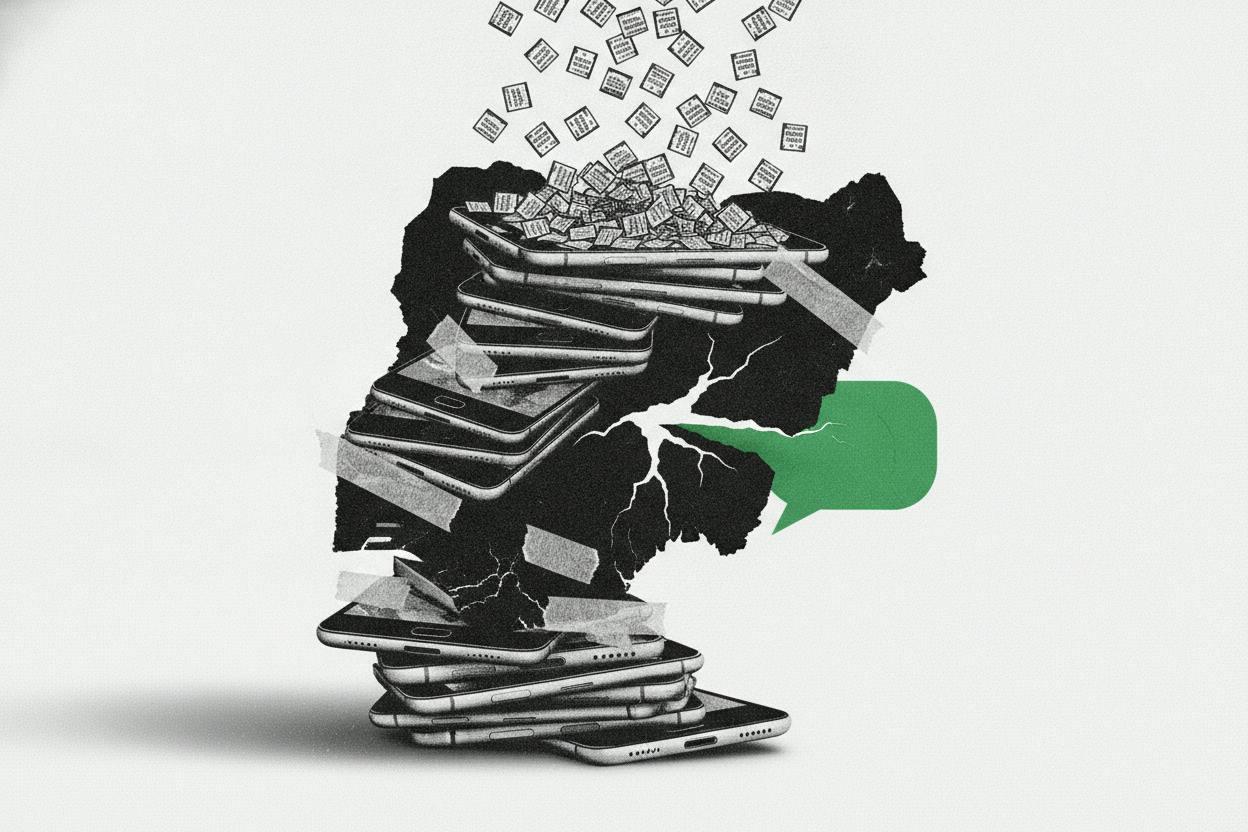
That accessibility appears to have worked almost too well. When the offering opened, the surge of first-time buyers caused some fintech platforms to crash temporarily, underscoring both the enthusiasm for the deal and the strain it placed on Nigeria's retail investing infrastructure.
Why the heavy demand?
The appeal is easy to understand. Dangote Refinery is a high-profile, strategically important asset, and the chance to own a sliver of it at a low cost has drawn in thousands of Nigerians who have never invested in the stock market before. The refinery has been in the spotlight for years, and its eventual listing has been widely anticipated.
For many, the IPO represents a rare opportunity to participate in a major national industrial project. The low minimum investment also lowers the barrier to entry, allowing people to test the waters of stock investing with a relatively small amount of money.
But the rush also highlights a challenge: when a popular IPO meets a retail investor base that is new to digital platforms, the technology can buckle under the load. Similar scenes have played out in other markets, including India, where retail demand for IPOs has occasionally overwhelmed brokerage apps.
Regulators step in
In response to the crashes, Nigerian regulators issued a warning to first-time buyers, urging them to use only approved channels to subscribe to the IPO. The guidance is meant to protect investors from potential fraud and to ensure that orders are processed fairly and securely.
For regulators, the episode is a reminder that the rapid growth of fintech investing brings both opportunities and risks. While apps have democratized access to the stock market, they also need to be robust enough to handle spikes in demand, and investors need to be educated about the risks of investing in a single company, no matter how iconic.
What it means for investors
For everyday investors, the Dangote Refinery IPO is a double-edged sword. On one hand, it offers a chance to own a piece of a major national asset at a low cost. On the other, it carries the usual risks of any stock investment: the share price can fall, and the refinery's profitability will depend on global oil prices, operational efficiency, and competition.
The fact that the IPO has drawn so many first-time buyers is a sign of growing retail participation in Nigeria's stock market, a trend that could have long-term benefits for the country's capital markets. But it also means that many new investors are entering the market during a period of high excitement, which can sometimes lead to disappointment if the stock doesn't perform as hoped.
Investors who missed out on the initial rush may be able to buy shares once they begin trading on the exchange, but they should be prepared for volatility. As with any IPO, the price on the first day of trading can swing sharply, and there is no guarantee that the stock will rise.
For those who did manage to subscribe, the key is to remember that investing in a single stock is risky. Diversification—spreading money across different companies and asset classes—remains a fundamental principle for reducing risk. The Dangote Refinery IPO may be a tempting bet, but it should not be the only investment in anyone's portfolio.
The broader lesson from this episode is that retail investing is growing rapidly in emerging markets, and with it comes a need for better infrastructure and investor education. As more Nigerians take their first steps into the stock market, the hope is that they will do so with a clear understanding of both the potential rewards and the risks.
For now, all eyes are on the Dangote Refinery listing, which could set the tone for future IPOs in Nigeria. If the "people's IPO" proves successful, it may encourage other large companies to follow suit, giving ordinary investors more opportunities to own a piece of the country's economic future.