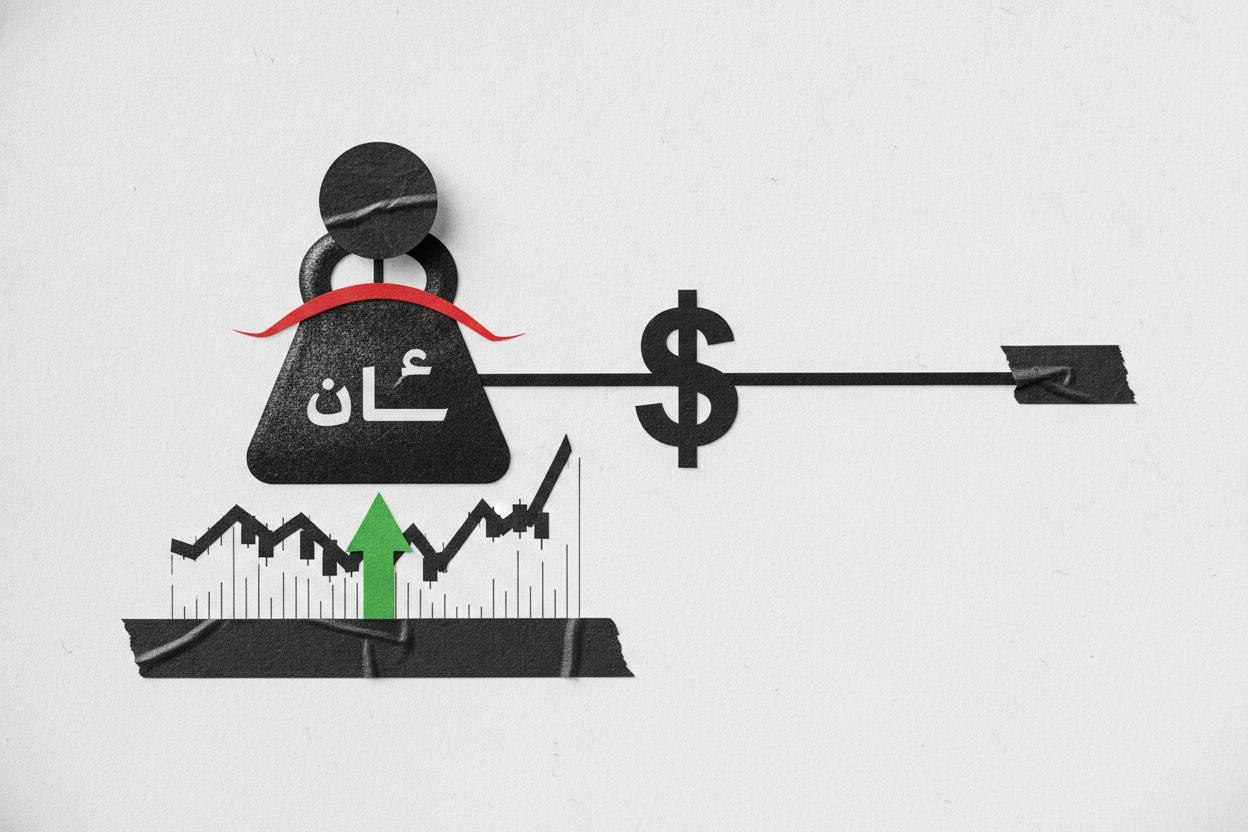
Abu Dhabi's main stock index closed up 0.47% on Thursday, even as the Central Bank of the UAE raised its base rate to 3.9%. The move mirrors the U.S. Federal Reserve's latest rate hike, keeping monetary policy in step with the world's largest economy.
The base rate, which is the overnight deposit rate, was lifted from 3.65% to 3.9%. The central bank also kept the rate for emergency short-term funding at 0.50 percentage points above the base rate, a level that helps set a floor under local money-market rates.
Dubai's main index also advanced, adding 0.34% on the day. The gains came despite the higher cost of borrowing, suggesting investors are focusing on the broader economic picture rather than the immediate impact of tighter policy.
Why the UAE follows the Fed
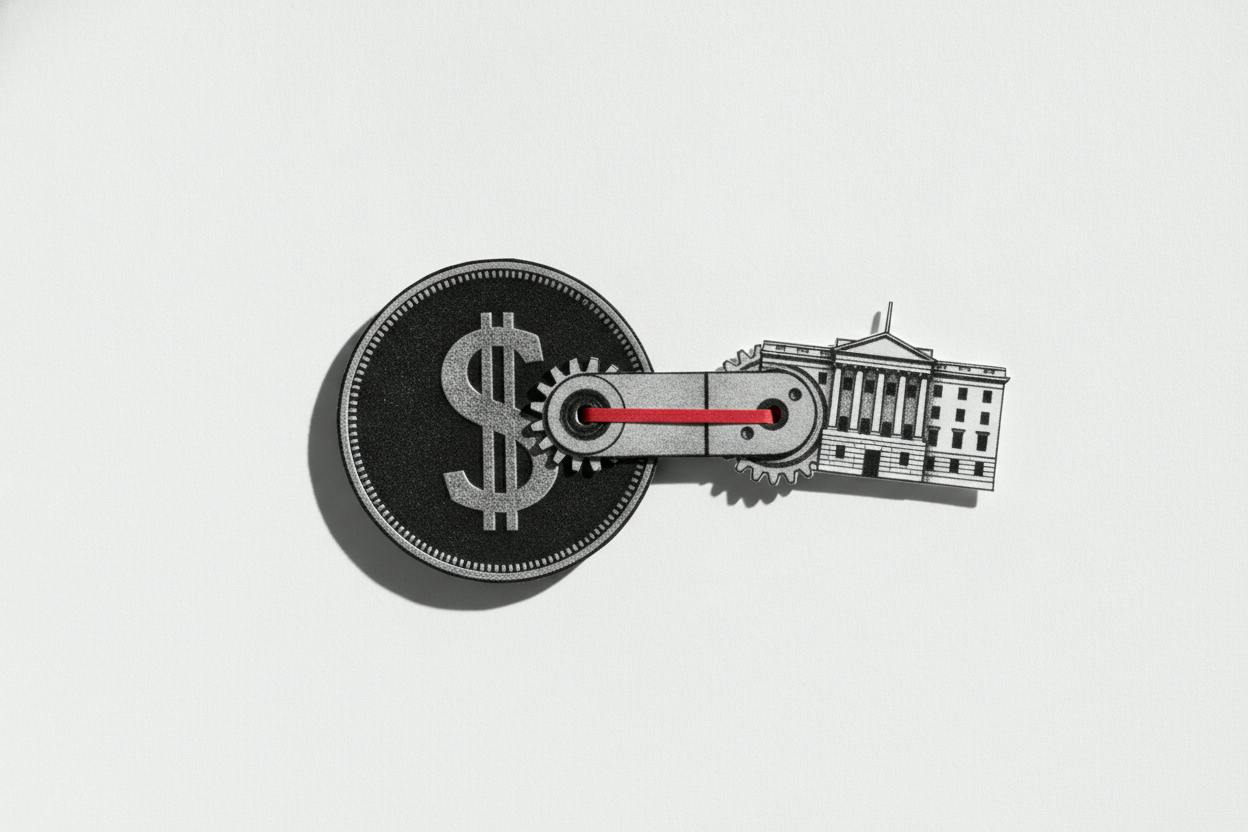
The UAE dirham is pegged to the U.S. dollar, which means the central bank has little room to set its own interest rates. When the Fed moves, the UAE typically follows to maintain the currency peg and avoid capital outflows.
This is a familiar pattern for Gulf economies. Similar to Hong Kong's rate hike to defend its own dollar peg, the UAE's action is a direct response to U.S. policy. The peg helps keep trade and investment stable, but it also means local rates are effectively imported from Washington.
For everyday investors, the key takeaway is that UAE interest rates will move in lockstep with the Fed. If the Fed keeps hiking, so will the UAE central bank, which can affect everything from mortgage rates to the returns on savings accounts.
What the rate hike means for investors
Higher rates are a mixed bag for stock markets. On one hand, they can slow economic growth by making borrowing more expensive for companies and consumers. On the other, they can signal confidence in the economy and attract foreign capital seeking better yields.
In Abu Dhabi, the index's rise suggests investors are looking past the immediate cost of higher rates. The emirate's economy is heavily tied to energy, and oil prices have been supportive. But the broader regional picture also matters, and other markets have reacted differently to the Fed's move, with some slipping as the dollar strengthens.
For bond investors, the higher base rate means yields on dirham-denominated instruments are likely to rise. That could make fixed-income investments more attractive relative to stocks, a dynamic that investors should watch.
Regional and global context
The UAE's decision is part of a wider wave of central bank actions. While the Fed is hiking, other major central banks are taking a more cautious approach. For instance, the Bank of England held rates at 3.75% but hinted at future increases, and the Bank of Canada held at 2.25% while flagging more hikes ahead. In Asia, Thailand kept rates at 1%, describing its stance as "very accommodative."
These divergences highlight how different economies are navigating the same global inflation pressures. For the UAE, the dollar peg leaves no choice but to follow the Fed, even if local conditions might argue for a different path.
What to watch next
Investors will be watching the Fed's next moves closely. If U.S. rates continue to climb, UAE rates will follow, potentially squeezing corporate margins and consumer spending. On the other hand, if the Fed signals a pause, Gulf markets could get a breather.
Also worth monitoring is the impact on the property market, which is sensitive to mortgage rates. Higher rates could cool demand, but the UAE's real estate sector has been resilient in recent years.
For now, the market's positive reaction suggests that investors see the rate hike as a sign of stability rather than a threat. But as always, the path of rates will be a key driver for asset prices in the months ahead.