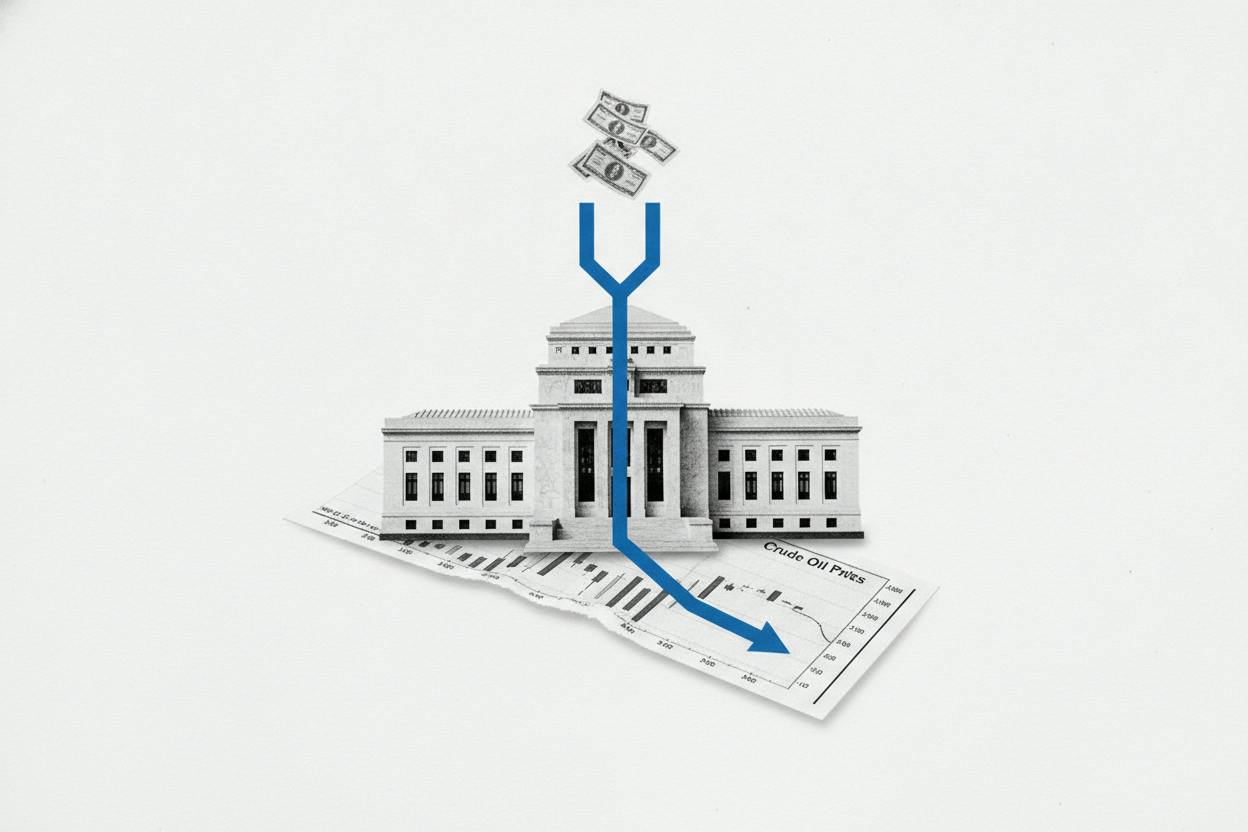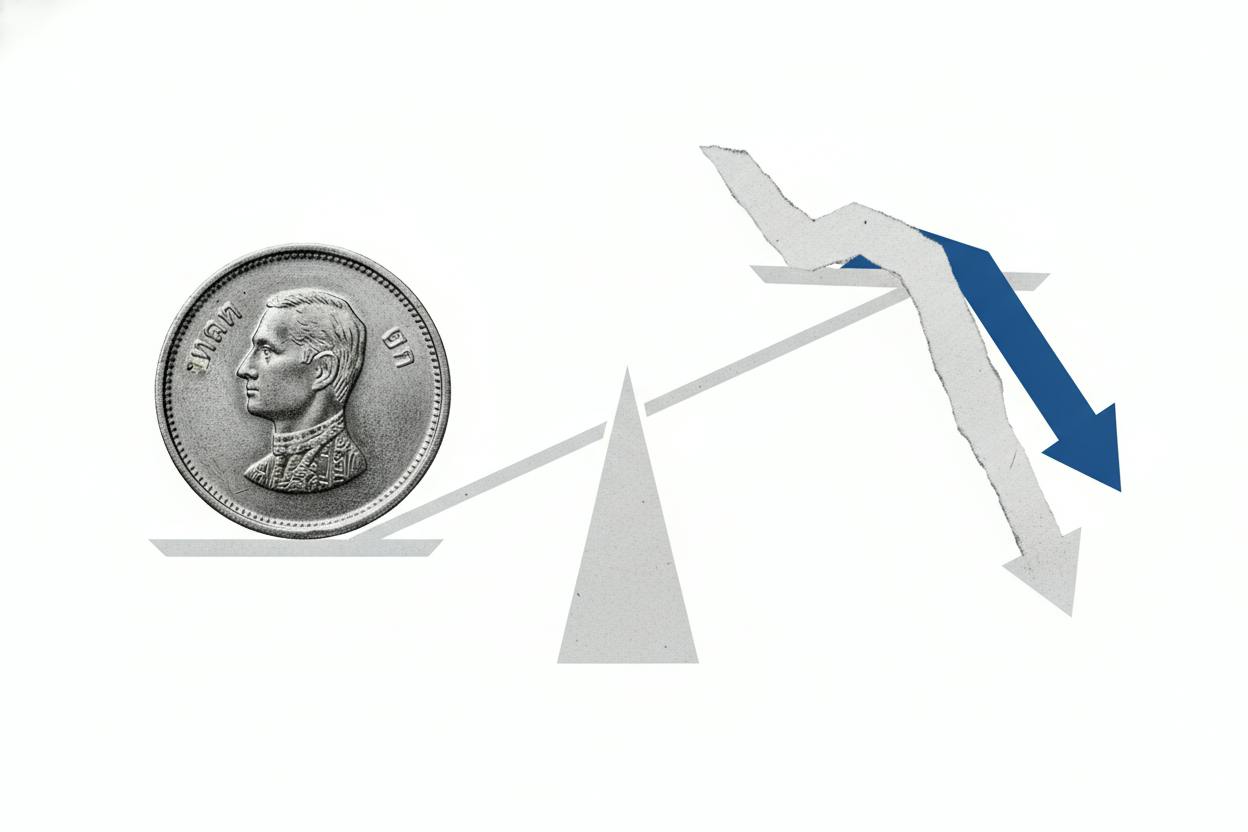
Thailand's central bank left its benchmark interest rate unchanged at 1.00% for the third consecutive meeting, with a senior official describing the current level as "very, very accommodative" even as the country's economic recovery remains patchy. The decision extends a pause that began after a series of aggressive cuts aimed at cushioning weak domestic demand.
What the central bank said
In an interview with Reuters, Bank of Thailand assistant governor Don Nakornthab framed the hold as a deliberate choice to keep borrowing conditions supportive. The bank has cut its key rate six times since October 2024, totaling 150 basis points, with the most recent reduction in February 2026. That cumulative easing has brought the rate to a level that policymakers believe still provides substantial stimulus to the economy.
Nakornthab also signaled that the bank is not locked into a single path. Officials could still move rates in either direction depending on how the economy evolves, he said, reflecting the uncertainty surrounding the recovery.
Why the economy is uneven
Thailand's growth has been choppy. The economy expanded 1.9% in the second quarter, a slowdown from 2.8% in the prior quarter. That deceleration underscores the challenge facing policymakers: they want to support activity, but they are also wary of adding to financial strains in a country with some of Asia's highest household debt levels.
High household debt means that while lower rates can encourage borrowing and spending, they also risk fueling further leverage. The central bank has to balance the need to stimulate demand against the longer-term risk of financial instability. This is a familiar dilemma for emerging-market central banks, but it is particularly acute in Thailand, where household debt has been a persistent concern.
What this means for investors
For everyday investors, the key takeaway is that Thai interest rates are likely to stay low for a while, which has several ripple effects. Low rates tend to support bond prices, as yields remain depressed. They also make Thai assets less attractive to foreign investors seeking yield, which can weigh on the baht and on Thai equities.
On the other hand, cheap borrowing costs can help corporate profits by reducing interest expenses, and they can support consumer spending over time. However, the uneven growth picture means that not all sectors will benefit equally. Exporters may face headwinds from a softer global economy, while domestic-focused businesses could see a gradual pickup if low rates eventually translate into stronger spending.
Investors should also watch how the central bank's stance compares with other countries in the region. For instance, Taiwan has held rates at 2% as its economy benefits from an AI-driven boom, while Hong Kong raised rates to 4.25% to defend its currency peg. Thailand's lower rate reflects its weaker growth momentum and higher debt burden.
What to watch next
The central bank's next moves will depend on incoming data. Key indicators to monitor include quarterly GDP growth, inflation readings, and household debt trends. If growth continues to slow, the bank may feel pressure to cut again. But if inflation picks up or financial stability risks mount, it could hold steady or even consider tightening.
For now, the message is clear: rates are low, and they are likely to stay low. But the path is not set in stone, and investors should be prepared for either direction.
"Very, very accommodative" is a strong signal that the central bank sees no urgency to change course, but it also leaves the door open for action if conditions shift.
In the broader context, Thailand's situation is part of a wider trend in Asia, where central banks are navigating divergent paths. Some, like Taiwan, are holding rates steady amid strong growth. Others, like Hong Kong, are being forced to raise rates due to external pressures. Thailand's pause is a middle ground, reflecting its unique mix of weak demand and high debt.
For investors with exposure to Thai assets, the key is to stay informed about economic data releases and central bank communications. The current pause may not last forever, and any shift in policy could have meaningful implications for portfolios.