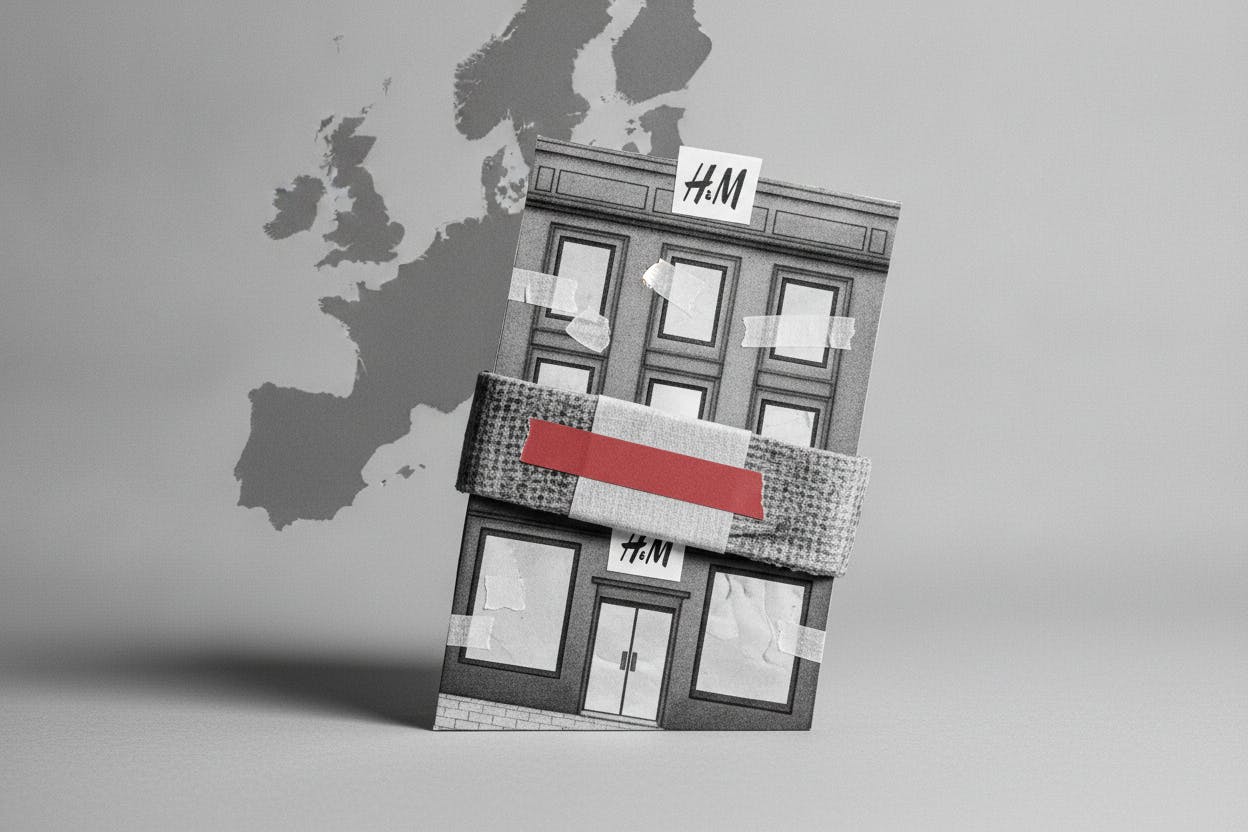
Swedish fashion retailer H&M is making progress on its long-term turnaround, but the path to stronger growth remains bumpy. The company told Reuters that refreshed stores and a coming technology upgrade are starting to lift sales, yet weak consumer confidence in Western Europe and higher freight costs are keeping pressure on the business.
Store Upgrades and Tech Overhaul
H&M is investing in its physical stores and digital systems to improve the shopping experience and operational efficiency. Executives said remodeled stores are already seeing higher sales, and the company expects to have refurbished about a quarter of its global network by the end of this year. A larger digital overhaul is set to begin in the second half of the year, aiming to streamline inventory management and online sales.
These moves are part of a broader effort to strengthen the basics—better stores, better systems, and tighter inventory control. The company is trying to keep inventory closer to sales while avoiding empty shelves in areas where demand is strong. This balancing act is critical for a retailer that has faced criticism for being slow to adapt to changing consumer habits.
Consumer Confidence Weak in Key Markets
The biggest headwind for H&M right now is the customer. Management described very weak consumer confidence in Western Europe, particularly in the UK, where some shoppers are holding up but others are cutting back after years of high inflation. Southern Europe has been more resilient recently, but Central and Western Europe remain challenging.
This uneven demand is a familiar story for retailers across the region. German consumer mood has edged up but spending remains weak, reflecting a broader caution among households. In the US, consumer spending has held up better, but European shoppers are still feeling the pinch from higher prices and economic uncertainty.
Cost Pressures from Freight and Cotton
Costs are adding another layer of difficulty. H&M’s CFO said freight expenses are expected to be higher in the third quarter, and cotton prices have jumped recently. These raw-material moves don’t hit results right away: the CFO noted that cotton price changes typically show up in gross margin—the share of sales left after production and sourcing costs—with a 6- to 8-month delay. Even if cotton prices are now easing, the impact of the recent spike will linger.
This timing mismatch creates a confusing picture for investors. Freight costs tend to reprice close to real time, so higher third-quarter shipping costs can quickly raise what it costs H&M to get products onto shelves. Cotton is slower: a recent spike can keep weighing on margins until older, higher-cost inventory clears, and lower input prices only help once the company is selling newly sourced goods.
What It Means for Investors
For investors, the near-term outlook is a mix of better operations but softer-looking profitability. The store upgrades and tech investments should support sales growth over time, but the cost headwinds from freight and cotton could keep gross margin under pressure for the next couple of quarters.
The bar is higher for the sales uplift to show through in reported operating profit. Investors will be watching closely for signs that the operational improvements are translating into better margins, even as the cost environment remains challenging. The company’s ability to manage inventory and control costs will be key.
H&M is not alone in facing these pressures. Other retailers are also grappling with rising freight costs and cautious consumers. The broader economic backdrop, including US consumer spending holding up as PCE inflation ticks higher, shows that the global consumer picture is mixed. For H&M, the focus remains on executing its turnaround while navigating a volatile cost environment.