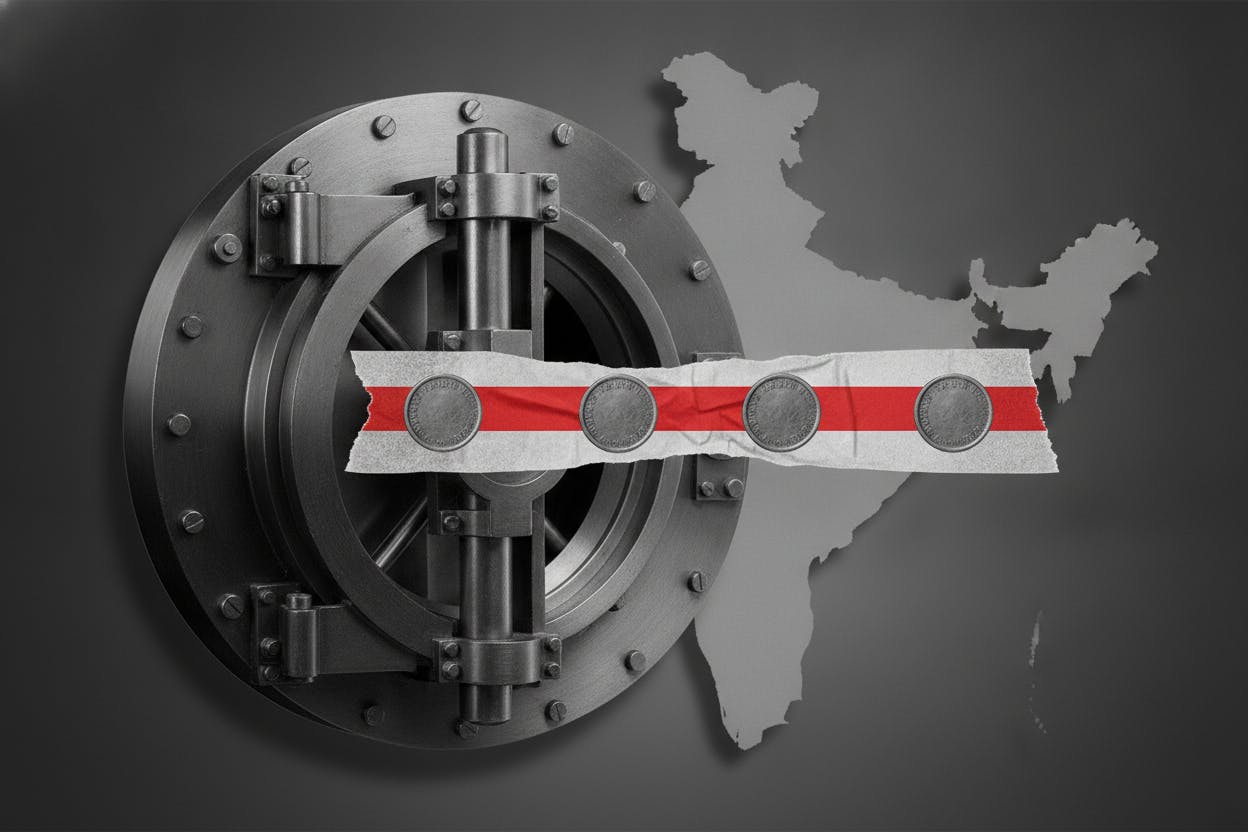
HDFC Bank, India's largest private lender, has penalized three of its top executives after an internal review uncovered what it calls 'business overreach' in setting deposit rates for a Maharashtra state agency. The CEO, CFO, and head of retail assets will each pay a fine of 100,000 rupees (approximately $1,200) following the probe.
What happened
The controversy dates back to May, when media reports alleged that HDFC Bank had offered preferential interest rates on large deposits to the Maharashtra State Road Development Corporation (MSRDC), a state government agency. Such preferential treatment could potentially breach Reserve Bank of India (RBI) rules on deposit pricing, which require banks to set rates transparently and without discrimination.
After an internal investigation by a committee of independent directors, the bank's board concluded that while employees involved were not acting for personal gain, their actions crossed both internal policies and regulatory boundaries. In addition to the fines, the executives received warning letters.
The fines, though modest in absolute terms, carry symbolic weight. They signal that the bank's leadership is taking the matter seriously and holding senior management accountable, even when no personal enrichment was involved.
Why deposit rate rules matter
Banks in India are required to follow strict guidelines on how they set interest rates for deposits. The RBI mandates that rates must be offered uniformly to all customers in the same category, with exceptions only for very large bulk deposits under specific conditions. Offering a state agency a better rate than other depositors could distort competition and undermine the central bank's efforts to maintain orderly financial markets.
For everyday investors, this episode highlights the importance of regulatory oversight in banking. When a major bank like HDFC Bank faces scrutiny over deposit pricing, it can affect confidence in the broader financial system. The RBI has been particularly vigilant in recent years, cracking down on non-compliance across the banking sector.
This is not the first time HDFC Bank has faced regulatory action. In 2020, the RBI temporarily barred the bank from issuing new credit cards and launching digital products after repeated service outages. The bank has since worked to strengthen its compliance framework.
What it means for investors
For shareholders of HDFC Bank, the fines are unlikely to have a material financial impact. The total penalty of 300,000 rupees is negligible for a bank with a market capitalization of over $100 billion. However, the reputational risk is more significant. Repeated regulatory issues can erode investor trust and potentially lead to stricter oversight from the RBI.
The bank's stock has been under pressure in recent months amid broader concerns about India's banking sector, including rising deposit costs and competition for funds. The RBI has been tightening liquidity, which has pushed up deposit rates across the system. HDFC Bank, like its peers, has had to offer higher rates to attract and retain deposits, squeezing net interest margins.
Investors should watch for any further regulatory actions or changes in the bank's compliance culture. The fact that the board acted swiftly and transparently may be seen as a positive sign, but the incident underscores the importance of governance in banking stocks.
For context, the RBI has been actively intervening in currency markets to support the rupee, as seen in recent RBI steps to support the rupee amid rising oil prices. A stable banking sector is crucial for maintaining confidence in the rupee and the broader economy.
Meanwhile, the Indian IPO market remains active, with offerings like the Manipal Hospitals IPO drawing investor attention. But for long-term investors, the health of the banking system is a more fundamental concern.
The bottom line
HDFC Bank's decision to fine its top executives over a deposit rate violation is a reminder that even the largest and most respected financial institutions are not immune to compliance lapses. While the financial penalty is small, the message is clear: the bank is committed to cleaning up its act. For investors, the key takeaway is to monitor how the bank's governance evolves and whether this incident leads to broader changes in its risk management practices.