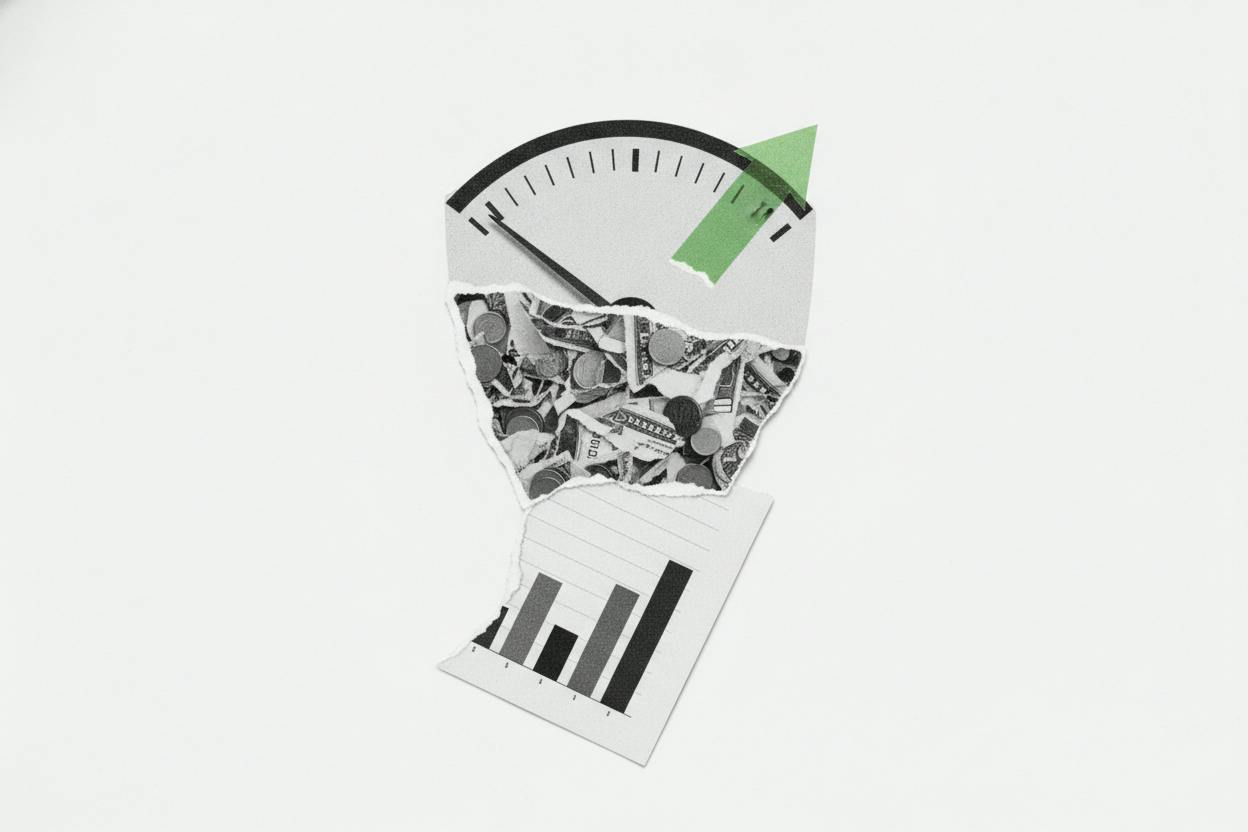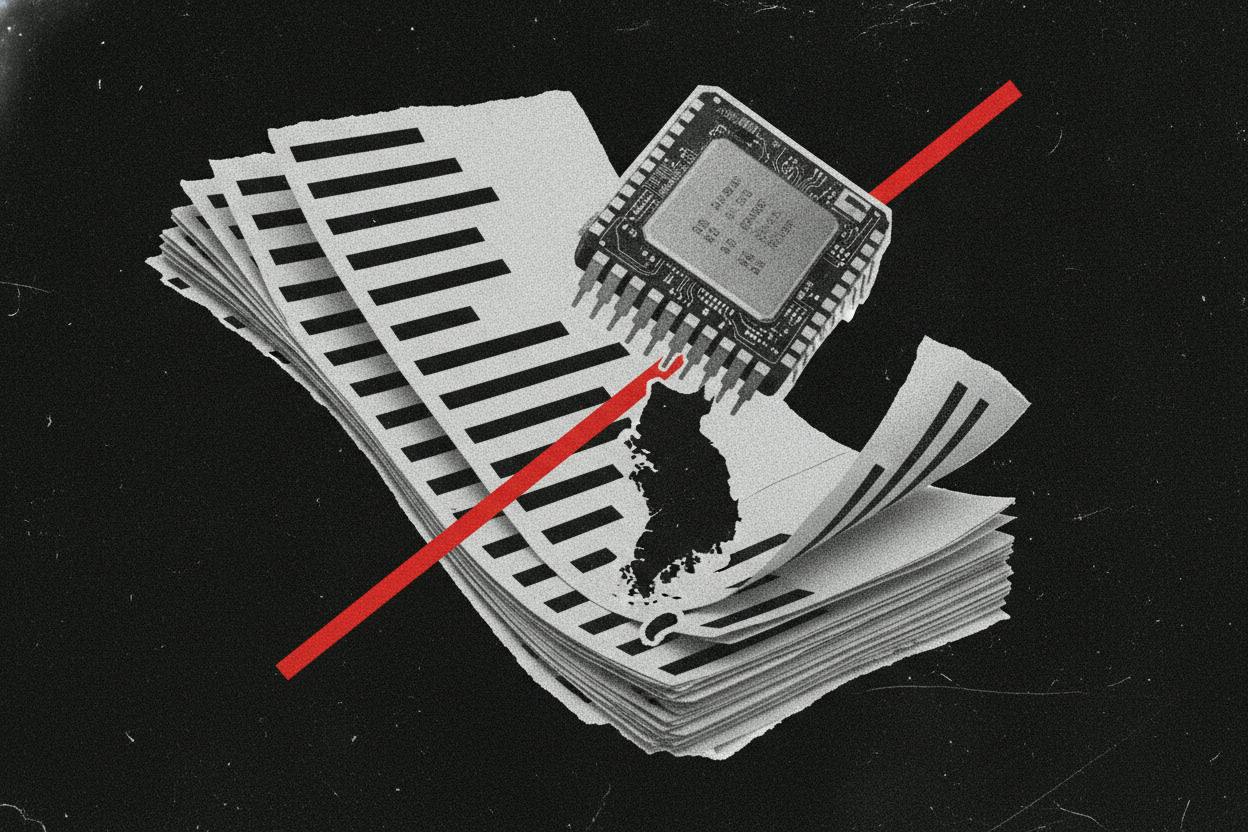
Hedge funds that bet heavily on artificial intelligence and semiconductor stocks are feeling the sting of a sudden reversal. According to Goldman Sachs data, stock-picking funds lost money every trading day through October 15, with Asia-focused managers bearing the brunt of the damage.
The slide reflects a rapid unwinding of crowded AI-related positions, according to a Goldman Sachs prime brokerage note cited by Reuters. Hotter-than-expected U.S. inflation data revived worries that interest rates could stay higher for longer—a scenario that tends to pressure expensive growth stocks whose profits are expected further in the future.
What the numbers show
Goldman said global “fundamental long-short” funds—stock pickers who buy winners while shorting losers—were down 2.9% for the week to October 15. That still leaves them up 14.3% for the year, but the recent pain has been concentrated in Asia.
Asia-focused stock pickers fell 2.6% on Wednesday alone and were down 6.8% for the first half of the month. The moves echoed in chip-heavy benchmarks: South Korea’s KOSPI dropped 8% to a six-month low, while Taiwan stocks fell more than 3%. The broader global chip stock slide has been driven by a mix of rate fears and concerns about AI funding sustainability.
This isn’t the first time this year that AI-related trades have wobbled. Earlier in the autumn, the AI trade wobble also put the dollar on track for its first weekly drop in five weeks, showing how interconnected these moves can be across asset classes.
Why the unwind is happening
When inflation data comes in hotter than expected, investors immediately reassess the path of central bank policy. Higher-for-longer interest rates make future earnings less valuable in today’s dollars, which hits high-valuation growth stocks hardest. AI and semiconductor companies, many of which trade at premium multiples, are especially sensitive to this dynamic.
The recent rotation from tech to defensive stocks after producer prices jumped is another sign that investors are shifting toward safer corners of the market. Even as some indexes have managed to rise despite hot producer prices, the underlying pressure on growth stocks remains.
What it means for investors
For everyday investors, the key takeaway is that hedge fund losses can quickly spill into broader markets. When many funds lose money at the same time, the question shifts from “is the AI story intact?” to “how much risk can managers still run?”
Prime brokers—the banks that lend to and clear trades for hedge funds—can demand more collateral after a drawdown. Many funds also have internal limits on leverage and position size. To get back in bounds quickly, managers often cut their most liquid holdings first. In an AI-led unwind, that typically means selling big semiconductor and supply-chain names.
That mechanical selling can turn hedge-fund losses into broader index moves, concentrating near-term downside and volatility risk in semiconductor-heavy markets like South Korea and Taiwan. For investors with exposure to those markets—whether through index funds, ETFs, or individual stocks—it’s worth being aware that the pain may not be over.
At the same time, it’s important to keep perspective. The year-to-date gains for these funds remain solid, and the AI trade has been one of the biggest drivers of market performance over the past year. Pullbacks like this are a normal part of investing, especially in sectors that have run up as much as semiconductors have.
For those watching from the sidelines, the key indicators to monitor are inflation data, central bank commentary, and how chip stocks respond in the coming weeks. If rate fears persist, the unwind could continue. If inflation cools, the AI trade could regain its footing.
As always, diversification remains a prudent strategy. Concentrating too heavily in any single theme—no matter how promising—can amplify losses when the trade turns. The current episode is a reminder that even the most popular market narratives can reverse quickly.