Honda Motor Co. told shareholders on Wednesday that its technology tie-up with Nissan Motor Co. is progressing “substantially,” signaling that the two Japanese automakers are closing in on a deal to share key vehicle components. According to a report from Nikkei Asia, the companies—along with Mitsubishi Motors—are in late-stage talks to standardize electronic control units (ECUs) and the software that runs them.
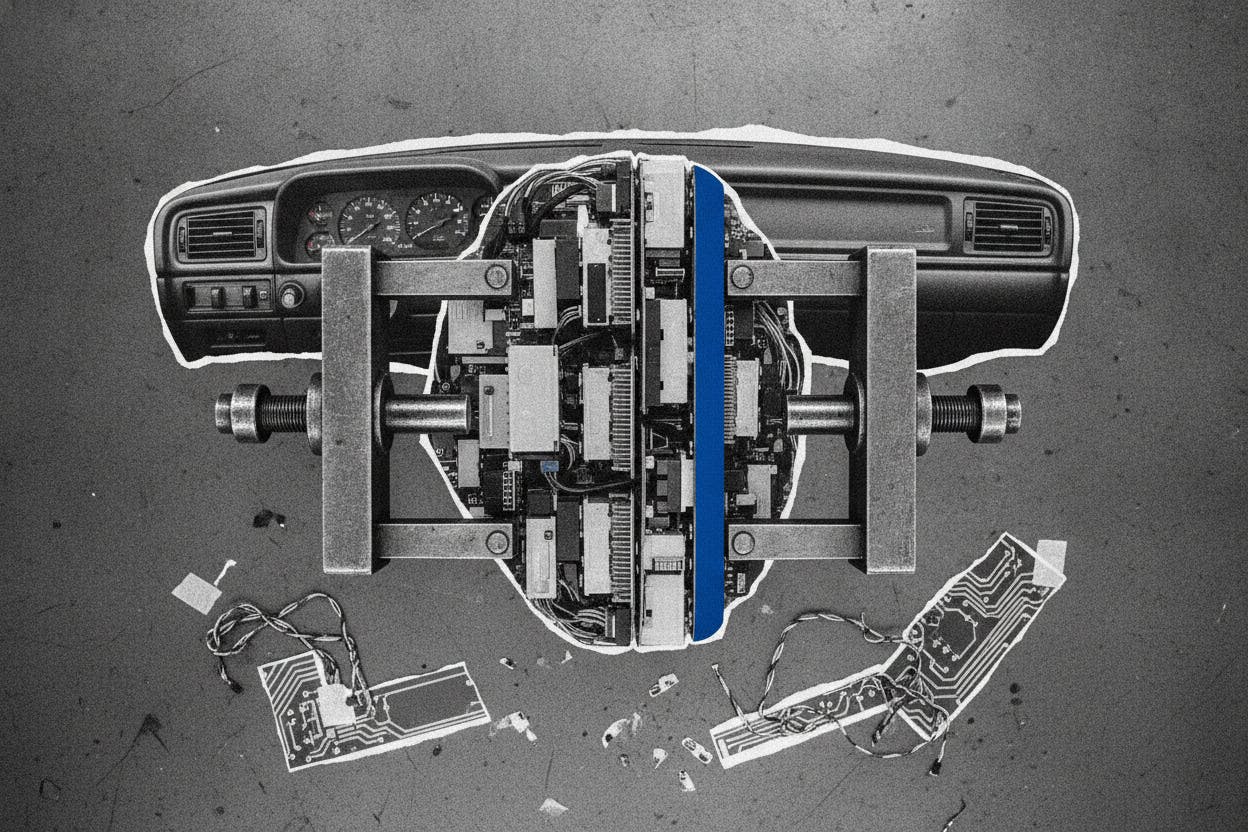
ECUs are the small computers that manage everything from engine timing and braking to infotainment screens and driver-assistance systems. Today, each automaker often designs its own unique ECU setup, forcing suppliers and in-house engineers to rework, test, and certify the same features multiple times across different models. A shared platform would create a common interface, allowing new capabilities like lane-keeping assist or over-the-air updates to move from prototype to production with fewer integration headaches.
Why Now? The Pressure on Honda and Nissan
The timing of the announcement is no accident. Honda CEO Toshihiro Mibe is under pressure to show credible progress on the next generation of “software-defined” vehicles after the company reported its first-ever net loss in 70 years and scaled back its electric vehicle plans. Shareholders have been demanding a clearer strategy, and a successful tech partnership could help restore confidence.
Nissan, meanwhile, has been struggling with its own turnaround. Former CEO Carlos Ghosn recently warned that shareholders have “had enough” as the company’s recovery stalls. A joint push on software and electronics could give both automakers a much-needed efficiency boost.
What Standardizing ECUs Really Means
Standardizing ECUs and the software layer is less about flashy features and more about scale. If three brands can rely on a common stack, they can cut the number of bespoke vehicle architectures they design, validate, and maintain. That spreads big up-front engineering costs across higher combined production volumes.
For investors, the key signal will be whether the “mutually beneficial” deal Honda described shows up as steadier tech spending and smoother product launches, rather than cost overruns and delays. If it works, it could improve medium-term margins by letting each company add software features—like advanced driver assistance or in-car entertainment—without rebuilding the plumbing every time.
The move also comes as Chinese automakers capture nearly a quarter of Europe’s hybrid car market, putting pressure on legacy Japanese brands to innovate faster. A shared software platform could help Honda and Nissan respond more quickly to competitive threats.
What It Means for Investors
For everyday investors, this story is about cost discipline, not product hype. The auto industry is capital-intensive, and developing new vehicle architectures can cost billions. By pooling resources on ECUs and software, Honda, Nissan, and Mitsubishi are trying to avoid duplicating those costs.
If the deal goes through, watch for signs of improved operating margins and faster time-to-market for new features. The companies have not yet disclosed financial terms or a timeline, but Honda’s comments suggest more details could come soon. For now, the message is clear: the Japanese automakers are betting that sharing brains is smarter than going it alone.