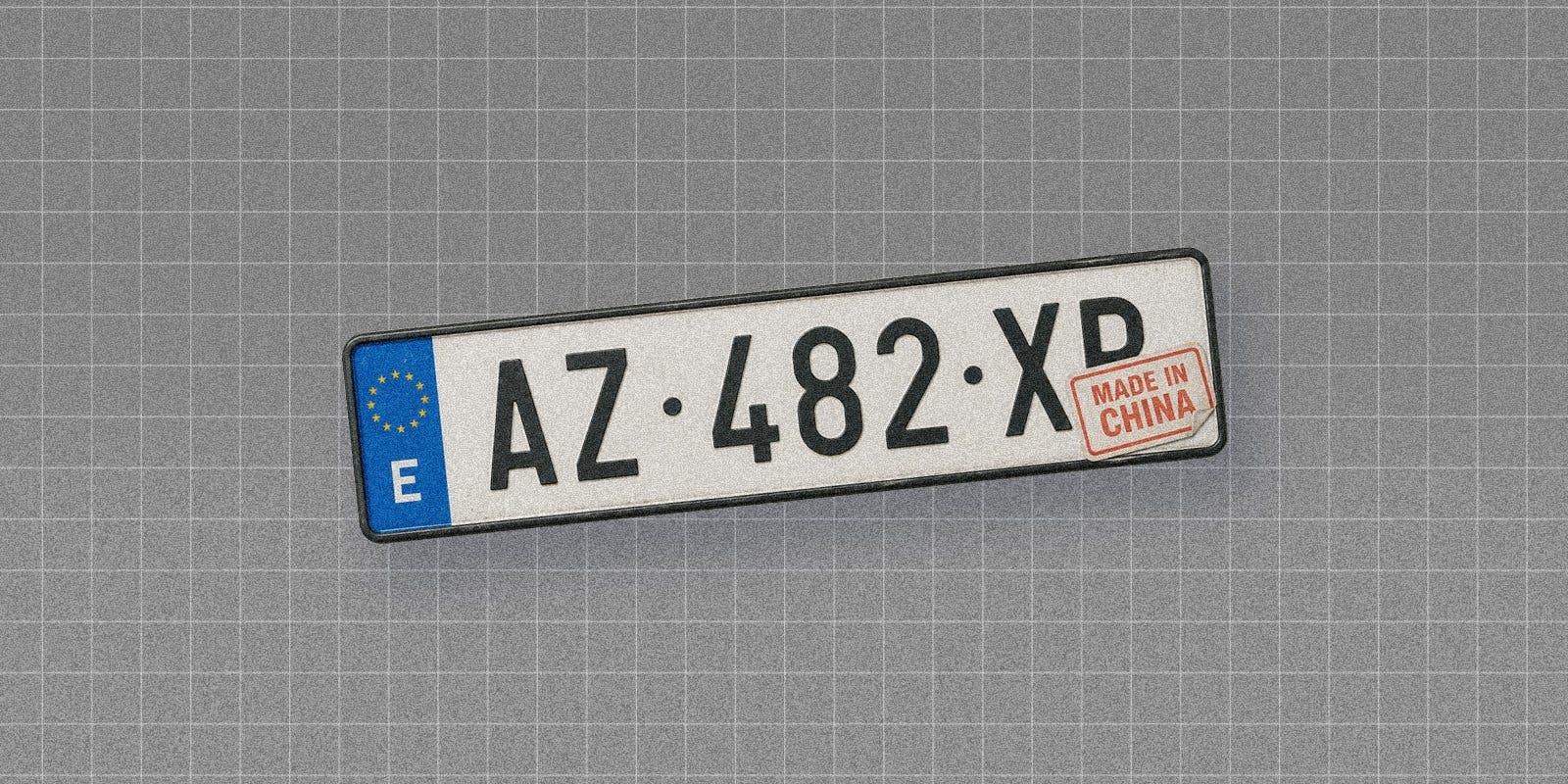
European consumers are increasingly turning to Chinese-made SUVs, particularly hybrids, as lower prices and generous state subsidies give Chinese automakers a growing edge. New data shows Chinese brands now account for nearly a quarter of all new hybrid car sales in Europe, a rapid rise that is reshaping the continent's automotive landscape.
Why Chinese cars are gaining ground
The surge is concentrated in hybrid vehicles, which benefit from lower import tariffs than fully electric cars. Chinese manufacturers, backed by substantial government support, can keep prices well below those of European rivals. That price advantage is especially attractive to budget-conscious buyers in a region still grappling with high inflation and sluggish economic growth.
European automakers have struggled to respond. The Stoxx Europe 600 Automobiles & Parts index has fallen roughly 40% from its April 2024 peak. BMW recently warned that it expects to barely break even this year, citing weak demand and rising competition. The pressure is not limited to one brand—legacy manufacturers across the continent are feeling the pinch.
Value shifts from badges to brains
The traditional source of value in the auto industry—the brand logo on the hood—is giving way to something less visible but more critical: the hardware and software inside the vehicle. Chinese companies are leaders in both, supplying key components and digital systems to European partners.
Stellantis, the owner of Fiat, Chrysler, Peugeot, and other brands, licenses Chinese technology for its European models. This kind of arrangement blurs the line between “Made in China” and “Made in Europe,” as more of the car's value originates from Chinese suppliers.
Chinese automakers are also moving production closer to European customers. BYD is building a factory in Hungary, while Chery has taken over a plant in Spain. These moves make economic sense: Europe has underutilized manufacturing capacity, and outside investment helps protect the roughly 14 million jobs tied to the automotive sector. But each partnership also hands more of the value chain to Chinese players, leaving European companies with the lower-margin assembly work.
What it means for investors
For investors holding European auto stocks, the trend is a warning. The industry's profit pool is shifting away from assembly and toward technology and software—areas where Chinese firms have a strong lead. European automakers that fail to capture that value may see margins shrink further.
The broader European stock market has been mixed, with recent gains driven by sectors like biotech and financials rather than autos. As European ADRs rose 1.3% recently, the auto sector remained a laggard. Investors should watch for further earnings warnings and margin compression among European carmakers.
Meanwhile, the US market remains largely closed to Chinese cars. Triple-digit tariffs on Chinese EVs, combined with national security concerns over “connected” vehicles with internet capability, have effectively blocked Chinese brands from gaining a foothold. Polestar, the Swedish-Chinese EV maker, became the first casualty—it is leaving the US after authorities blocked it from selling new cars. That means Chinese automakers will focus even more aggressively on Europe, intensifying competition there.
The bigger picture
The rise of Chinese car brands in Europe is not a short-term blip. It reflects a structural shift in the global auto industry, where manufacturing scale, battery technology, and software expertise matter more than heritage. European policymakers face a delicate balancing act: protecting domestic jobs and companies while avoiding a trade war that could raise prices for consumers.
For everyday investors, the key takeaway is that the auto industry's center of gravity is moving east. Companies that adapt—by partnering, investing in their own technology, or focusing on niches where they retain an edge—may survive. Those that rely on brand loyalty alone are likely to keep losing ground.