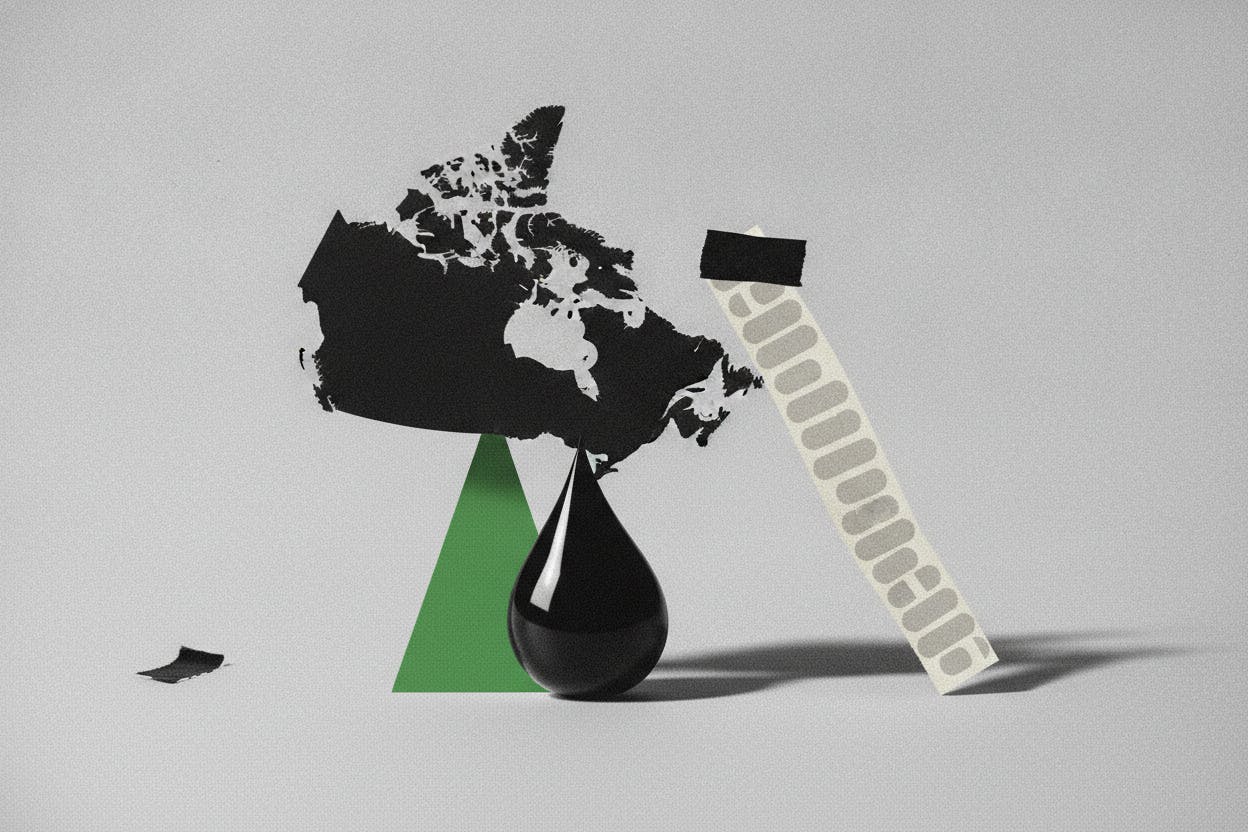
Canada's main stock index closed at a fresh record on Tuesday, powered by a sharp jump in oil prices that lifted energy shares and overshadowed weakness in other sectors. The S&P/TSX Composite rose 0.2% to 36,458.33, with energy stocks climbing 3.7% as crude surged.
September West Texas Intermediate (WTI) crude settled up 5.1% at $82.13 a barrel, its biggest one-day gain in weeks. The move came as traders focused on renewed risks to oil supplies around the Strait of Hormuz, a narrow waterway that handles about a fifth of global oil consumption. Any disruption there can quickly ripple through prices worldwide.
Why oil moves Canada's market so much
Energy is a heavyweight in the TSX, making up a large slice of the index's value. Canada is one of the world's biggest oil producers and exporters, so when crude prices rise, investors tend to mark up the expected cash flows of producers and related companies like pipelines and drilling firms. That's why a jump in oil can lift the entire Canadian market, even when other sectors struggle.
The latest surge was tied to worries about shipping through the Strait of Hormuz, a critical chokepoint between the Persian Gulf and the Gulf of Oman. Geopolitical tensions in the region have periodically spiked oil prices, and Tuesday's move reflected fresh concerns about potential supply disruptions. Oil's 5% jump on Hormuz worries was the main driver of the day's trading.
For Canadian investors, the link between oil and the stock market is more direct than in many other countries. When crude climbs, energy companies' profits tend to rise, and their share prices often follow. But the effect isn't always positive across the board: higher oil can feed into inflation, which may push interest rates up and hurt rate-sensitive sectors like real estate and utilities.
Rate-sensitive stocks feel the pinch
Tuesday's session was a mixed one beneath the surface. While energy stocks surged, other parts of the market lagged. Rising oil prices often come with higher bond yields, as investors anticipate stronger inflation and potentially tighter monetary policy. That can weigh on sectors that pay steady dividends but are sensitive to borrowing costs, such as utilities, real estate, and some consumer names.
This pattern has been visible in recent weeks, with rising yields and oil pushing investors out of tech into energy. The rotation reflects a broader market dynamic: when growth and inflation expectations shift, money tends to move between sectors.
For everyday investors, the takeaway is that a record high for the TSX doesn't mean every stock is doing well. The index is heavily weighted toward energy and financials, so its performance can diverge sharply from what individual investors experience in their portfolios.
What it means for your money
If you hold a Canadian index fund or ETF, a rising TSX can boost your portfolio's value, but it also means you're exposed to oil price swings. When crude jumps, your energy holdings may shine, but you might also see losses in rate-sensitive areas. Diversification across sectors and asset classes remains a key way to manage that volatility.
The loonie has also been supported by oil's strength, holding near an eight-week high. A stronger Canadian dollar can affect investors who hold US assets or travel abroad, but for domestic-focused portfolios, the impact is often muted.
Looking ahead, traders will be watching whether the Hormuz tensions escalate or ease. Any resolution could quickly reverse oil's gains, while further escalation could push prices higher. The recent talks about Hormuz shipping have eased some fears, but the situation remains fluid.
For now, the TSX's record close is a reminder that commodity prices remain a powerful force in Canadian markets. Whether that continues depends on global supply dynamics, demand trends, and the path of interest rates. Investors should keep an eye on oil headlines and how they ripple through the broader economy.