Hong Kong's retail sector extended its winning streak in June, with sales rising 4.6% from a year earlier to HK$31.5 billion. But the latest figures show the pace of growth is clearly slowing, raising questions about how long the city's consumer recovery can keep its momentum.
The government reported that June marked the 14th consecutive month of year-on-year retail sales gains. However, the growth rate was softer than May's, and the details suggest that part of the increase came from higher prices rather than people buying more stuff.
What the numbers show
The headline figure—a 4.6% rise in the value of sales—looks solid at first glance. But a closer look reveals a more nuanced picture. Sales volume, which measures the actual quantity of goods sold, increased by only 2.3% in June, down from 4.8% in May. That gap between value and volume growth indicates a "price-and-mix" effect: shoppers may be paying more per item, trading up to pricier goods, or shifting their spending toward higher-end categories.
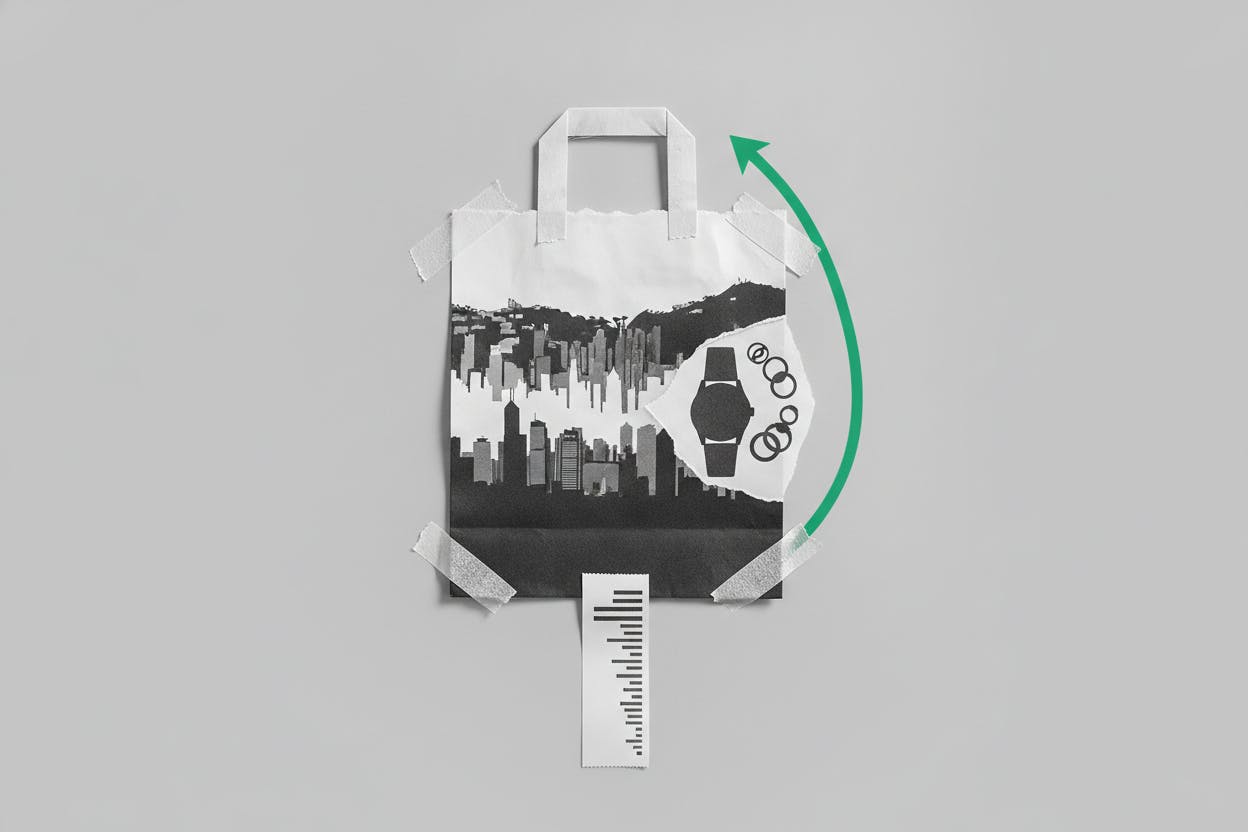
One standout was jewelry and watches, which jumped 20.1% year-on-year. That surge likely reflects a rebound in tourism and high-end spending, as visitors return to the city in greater numbers. More tourists typically means more demand for luxury items, and jewelry and watches are a key category for that demographic.
The overall increase was helped by "more visitors," according to the government, though specific visitor numbers were not provided in the brief. The tourism recovery has been a major driver of Hong Kong's retail rebound, as mainland Chinese shoppers—historically the biggest spenders—gradually return.
Why it matters for investors
For investors, the June data offers a mixed signal. On one hand, 14 straight months of growth shows the retail sector is on a firmer footing than during the pandemic-era slump. On the other, the deceleration in volume growth suggests the initial post-reopening surge may be fading.
Retail sales are a key indicator of consumer confidence and domestic demand. When sales growth slows, it can signal that households are becoming more cautious about spending, which could weigh on the broader economy. Hong Kong is a services-driven economy, and retail is a significant component of that.
The strong performance of jewelry and watch sales is particularly notable for luxury retailers and brands. If that trend continues, it could support earnings for companies with exposure to Hong Kong's high-end market. However, investors should watch whether the slowdown in volume spreads to other categories.
It's also worth remembering that year-on-year comparisons can be flattering when the prior year was weak. As the base effect normalizes, growth rates may naturally cool even if the absolute level of spending remains healthy.
What to watch next
Investors will be watching the next few months of data to see if the slowdown is a temporary blip or the start of a broader trend. Key factors include the pace of tourism recovery, changes in consumer sentiment, and any shifts in government policy that could affect spending.
Hong Kong's retail sector is also sensitive to global economic conditions, including interest rates and inflation. If global growth slows, that could dampen both tourist arrivals and local consumer confidence.
For now, the June figures suggest a retail sector that is still growing, but at a more modest clip. The mix of spending—with luxury items leading—points to a recovery that is uneven across income groups and product categories.
As always, individual companies will be affected differently. A jewelry chain may benefit from the luxury boom, while a supermarket operator might see more muted results. Investors should look at company-level data to gauge how specific retailers are navigating this environment.
In the broader context, Hong Kong's retail performance is one piece of the region's economic puzzle. The city's role as a gateway to mainland China and its status as a global financial hub mean that its consumer trends are closely watched by investors worldwide.
While the June numbers are not alarming, they do suggest that the easy gains from reopening are behind us. The next phase of growth will likely require a more sustained recovery in tourism and consumer confidence, rather than just a rebound from depressed levels.