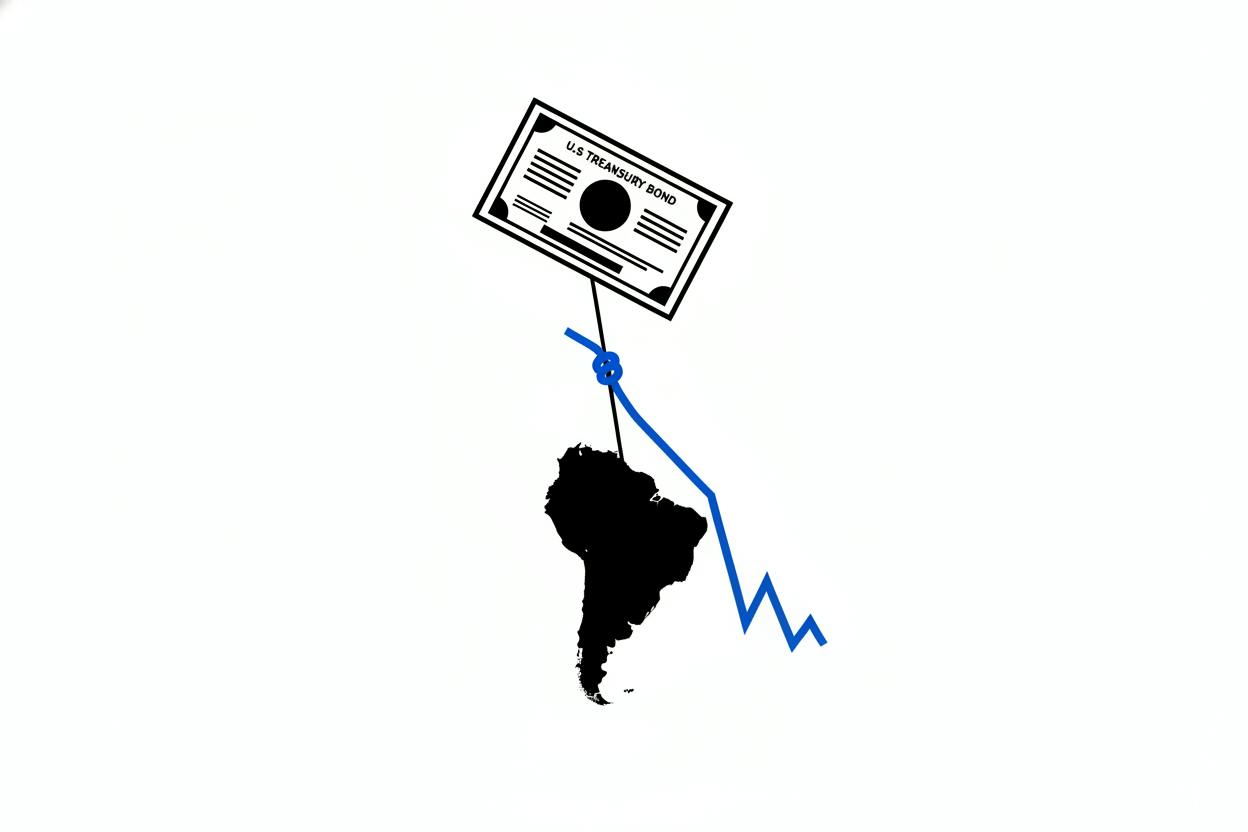
Latin American stocks and currencies took a hit on Wednesday after a hotter-than-expected US inflation report rattled global markets. The report, which showed consumer prices rising faster than forecast, pushed the US dollar higher and sent 10-year Treasury yields climbing to 5.283%, a level not seen in years. That combination proved toxic for riskier assets, and emerging markets in Latin America were among the hardest hit.
Why Latin America feels the heat
When US inflation runs hot, the Federal Reserve is more likely to keep interest rates elevated or even raise them further. Higher US rates make dollar-denominated assets more attractive, drawing capital away from emerging markets. That dynamic was on full display Wednesday as investors sold off Latin American equities and currencies in favor of the greenback.
The stronger dollar is a double-edged sword for the region. Many Latin American countries carry debt in dollars, so a firmer greenback makes that debt more expensive to service. It also pressures local currencies, which can feed into domestic inflation by making imported goods pricier. For everyday investors, this means that a hot US inflation print can quickly translate into losses in Latin American stock funds and currency depreciation that erodes returns.
The move was part of a broader global trend. Canadian stocks slipped as the inflation data hit metals and miners, and the South African rand fell to 16.62 per dollar. Even European bond yields rose as traders repriced the outlook for global interest rates.
What the inflation report means for the Fed
The inflation data, which showed US consumer prices rising more than expected in September, has upended hopes that the Fed might soon start cutting rates. Citi now expects the Fed to hike in December, a stark reversal from the easing bets that had been building. If the Fed does raise rates again, that would likely keep the dollar strong and put further pressure on emerging markets.
For Latin America, the timing is particularly tricky. Several central banks in the region had begun cutting their own interest rates earlier this year, betting that inflation was under control. But a stronger dollar and higher US yields could force them to pause or reverse those cuts to defend their currencies. That would be a blow to economic growth and could weigh on corporate earnings in the region.
What it means for investors
For everyday investors, the key takeaway is that US inflation remains the single biggest driver of global market moves. When US price pressures flare up, it ripples through every asset class, from Latin American stocks to gasoline prices and beyond. Diversification across regions and asset classes can help cushion the blow, but no market is immune when the world's largest economy surprises to the upside.
Investors with exposure to Latin American equities or currencies should brace for continued volatility. The 10-year Treasury yield at 5.283% is a level that historically has signaled stress in risk assets, and if it climbs higher, the pressure on emerging markets could intensify. On the other hand, if inflation cools in the coming months, the dollar could weaken and Latin American markets could rebound sharply.
As always, it's important to keep a long-term perspective. Short-term market swings driven by inflation data are normal, and trying to time them is rarely successful. Instead, focus on your overall asset allocation and risk tolerance, and consider how a persistently strong dollar might affect your international holdings.
Looking ahead
Investors will be watching upcoming US economic data for clues about the Fed's next move. A strong jobs report or another hot inflation print could cement expectations for a December hike, while cooler numbers might ease the pressure. In the meantime, Latin American markets are likely to remain at the mercy of US interest rate expectations.
The broader lesson from Wednesday's session is that global markets are deeply interconnected. A single US inflation report can move currencies from Mexico City to São Paulo, and understanding those connections is key to making informed investment decisions.