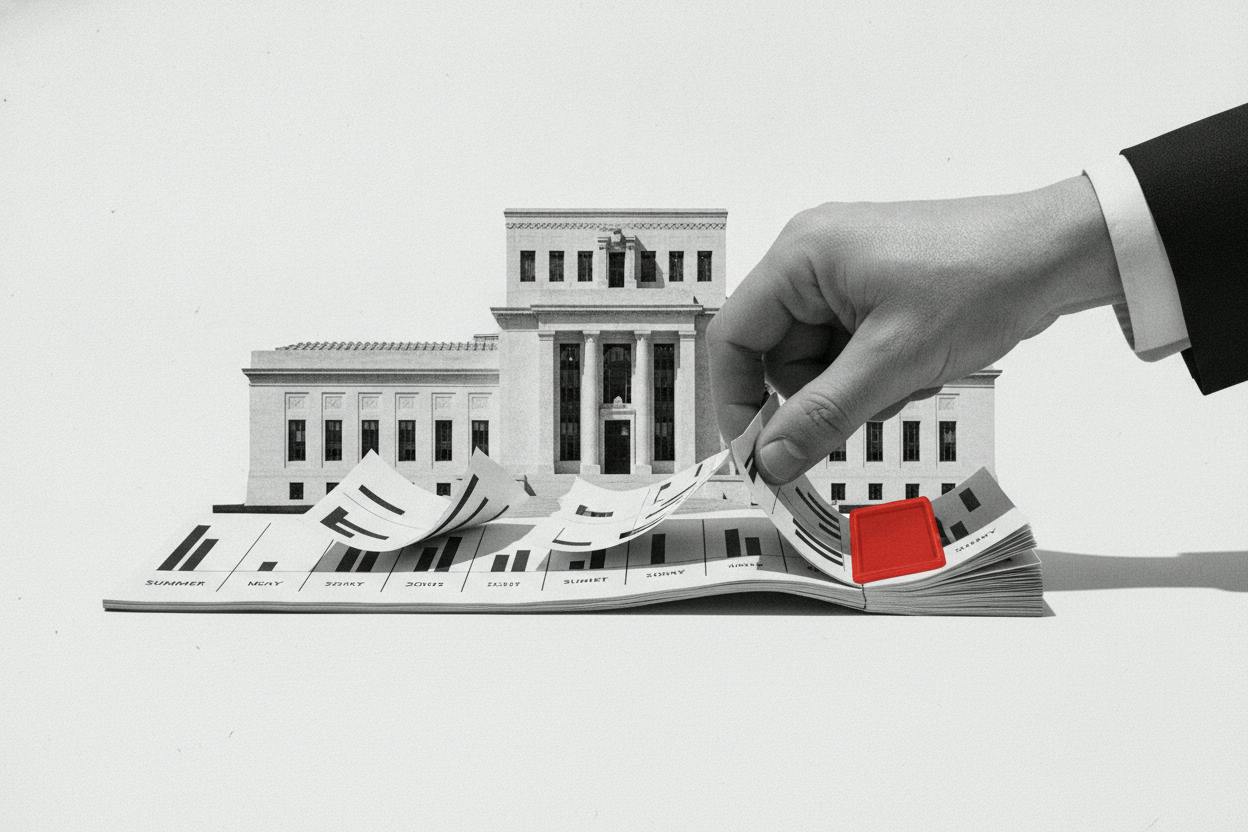
Citigroup has changed its outlook for Federal Reserve policy, now predicting the central bank will raise interest rates by a quarter percentage point in December. The shift comes after September's U.S. inflation report came in hotter than expected, signaling that price pressures are proving stubborn.
The bank had been a notable outlier, previously arguing that the Fed would hold rates steady for the rest of the year. Now, Citi joins the majority of Wall Street in expecting another hike before 2024 ends. More striking, Citi also forecasts that the Fed will not begin cutting rates until June 2027—a much longer wait than many investors anticipate.
What the inflation data showed
September's consumer price index, released last week, showed that inflation accelerated, driven in part by rising gasoline prices. But the report also revealed that price increases were broadening beyond energy, with costs rising across a range of goods and services. That broadening is a concern for policymakers because it suggests inflation is becoming more entrenched, making it harder to cool down.
For everyday investors, the key takeaway is that the path back to the Fed's 2% target may be bumpier than hoped. When inflation is widespread, the central bank often needs to keep rates higher for longer to squeeze it out of the system. That means borrowing costs for mortgages, car loans, and credit cards are likely to stay elevated for an extended period.
Why Citi's flip matters
Citi's switch is significant because it had been the most prominent holdout among major banks calling for no further hikes this year. Its change of heart underscores how the latest inflation data has shifted the debate. According to Reuters, traders were already pricing in roughly a 94% chance of a December move before Citi updated its forecast, so the headline itself wasn't a surprise. The real signal is that even the most dovish forecasters are now conceding that the Fed may need to act again.
The broader market reaction to the inflation report has been mixed. U.S. futures were choppy as the CPI met forecasts, while some bank stocks like BofA dropped. Meanwhile, gasoline prices were a key driver of the September surge, and the impact rippled through global markets. In Canada, stocks slipped as hot inflation weighed on metals and miners, and the South African rand weakened to 16.62 per dollar. European bond yields also pushed higher as traders adjusted their rate expectations.
What it means for investors
For investors, the main implication is that the era of cheap money is further away than previously thought. If the Fed raises rates again in December and holds them there for years, that affects everything from bond yields to stock valuations. Higher rates tend to pressure growth stocks, as future earnings are discounted more heavily. They also make cash and short-term bonds more attractive relative to riskier assets.
However, it's important to remember that forecasts can change quickly. Citi's own outlook has shifted before, and it could shift again if inflation cools faster than expected. The Fed has also signaled it is data-dependent, meaning it will adjust based on incoming economic reports.
For now, investors should brace for a longer period of restrictive policy. That could mean more volatility in equities, especially in sectors that are sensitive to interest rates, such as technology and real estate. On the other hand, banks and other financial institutions often benefit from higher rates, as they can earn more on loans.
As always, the best approach is to stay diversified and avoid making drastic changes based on a single forecast. The Fed's next meeting is in December, and there will be more inflation and jobs data between now and then that could alter the picture.
In the meantime, the message from Citi is clear: the fight against inflation is not over, and investors should prepare for a longer stretch of higher rates.