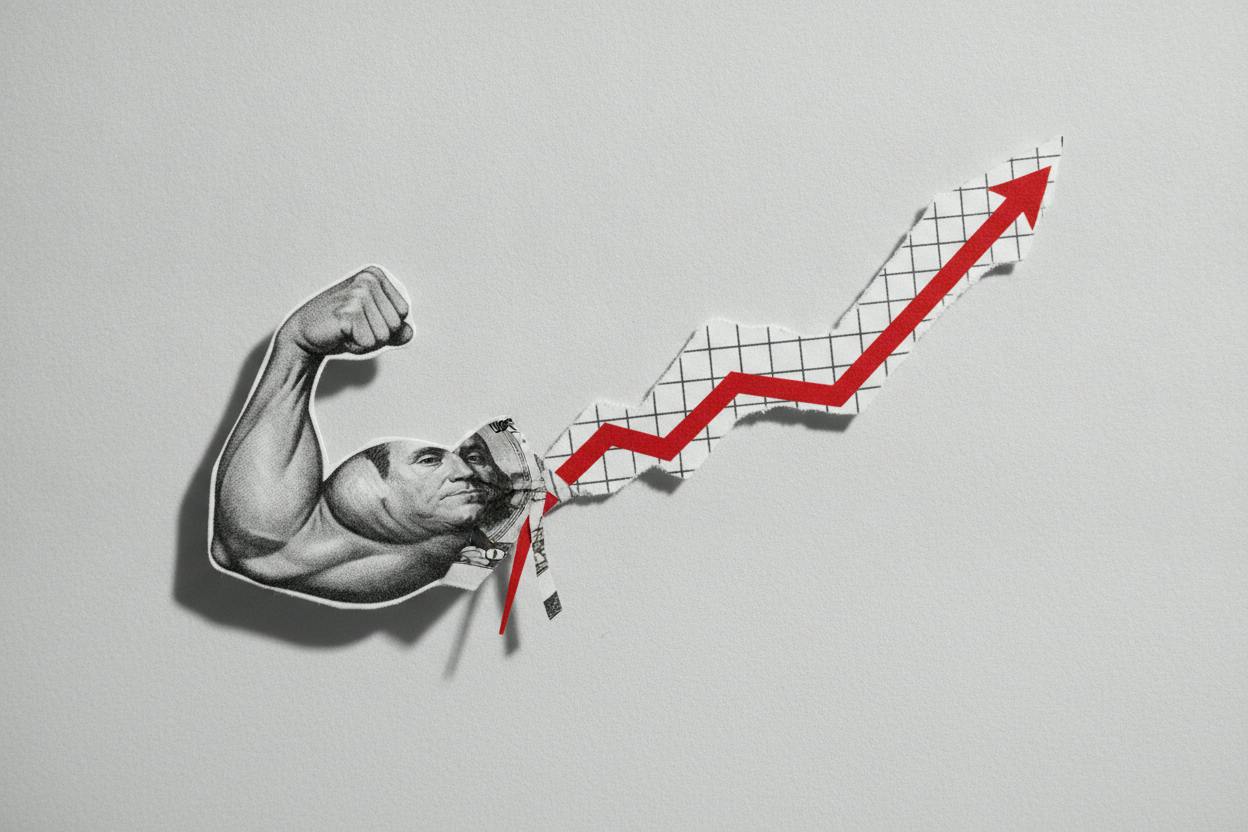
A hotter-than-expected US jobs report gave the dollar another lift on Friday, as investors grew more confident that the Federal Reserve will raise interest rates again in December. The Labor Department said nonfarm payrolls increased by 165,000 last month, far exceeding the 65,000 that economists had forecast. The unemployment rate also ticked down to 4.1%, a sign that the labor market remains resilient despite higher borrowing costs.
For everyday investors, the report is a reminder that the US economy is still chugging along, and that the Fed's fight against inflation is far from over. The immediate reaction was a repricing in interest-rate markets: the CME FedWatch Tool, which tracks trader expectations, showed about an 80% probability of a quarter-point rate hike at the Fed's December meeting, up from roughly 67% a day earlier.
Why the dollar and yields moved
When traders expect the Fed to hike rates, they tend to buy dollars, because higher interest rates make US assets more attractive to foreign investors. That dynamic played out on Friday: the dollar index, which measures the greenback against a basket of major currencies, climbed 0.63% to 102.12.
At the same time, short-term Treasury yields rose. The 2-year yield, which is highly sensitive to Fed policy expectations, jumped to 4.532%, while the 10-year yield, a benchmark for mortgages and other long-term loans, reached 4.868%. Higher yields mean borrowing costs for consumers and businesses are likely to stay elevated, which can weigh on stocks and other risk assets.
The jobs data also reinforced a trend that has been building for weeks: the dollar has been firming as investors seek safety amid volatility in other markets. Earlier this week, an AI stock selloff drove investors toward safe havens, and the dollar has been a beneficiary. The latest jobs report adds another layer of support, as it suggests the Fed may need to keep policy tight for longer.
What this means for your money
For investors, the key takeaway is that the path of interest rates remains the dominant force in markets. A stronger dollar can be a double-edged sword: it makes imported goods cheaper for US consumers, but it also makes US exports more expensive and can hurt multinational companies that earn revenue abroad. If you own shares in large US corporations with significant overseas sales, a rising dollar could weigh on their earnings.
Higher Treasury yields also affect bond prices. When yields rise, the prices of existing bonds fall, which can be a drag on bond funds and ETFs. However, for savers, higher yields mean better returns on cash and short-term fixed-income investments. Many online savings accounts and money market funds are already offering more attractive rates, and if the Fed hikes again, those rates could climb further.
The jobs report also has implications for the broader economy. A strong labor market typically supports consumer spending, which is a major driver of US growth. But it also gives the Fed cover to keep raising rates, which increases the risk of a slowdown down the road. Investors will be watching upcoming inflation data and Fed speeches for clues about how much further the central bank will go.
Looking ahead
With the December meeting now the focus, traders will scrutinize every piece of economic data between now and then. The jobs report is just one piece of the puzzle; inflation readings, retail sales, and other indicators will all factor into the Fed's decision. The dollar's recent strength could also have ripple effects in emerging markets, where a firmer greenback makes dollar-denominated debt more expensive to service.
For now, the market's message is clear: the US economy is still strong, and the Fed is not done yet. That means investors should brace for continued volatility in both stocks and bonds as rate expectations shift. As always, diversification and a long-term perspective remain the best tools for navigating uncertain times.