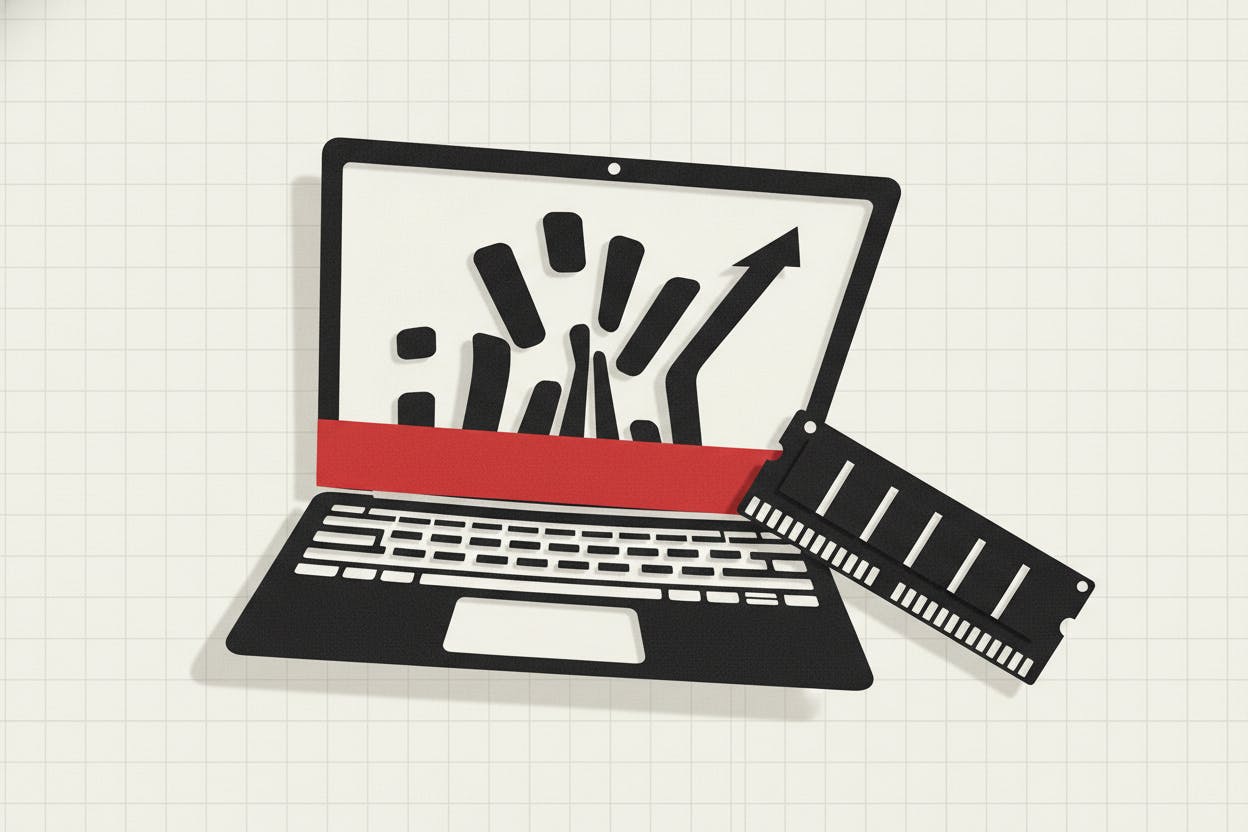
Bank of America analysts say HP's personal computer business is tracking better than the company itself hinted at in May. They now expect Personal Systems revenue to grow 8% year over year in the fiscal third quarter, ahead of the company's own guidance. The improvement is attributed to pricing moves and a rebound in market share.
What's driving the upbeat outlook?
HP's Personal Systems division—which includes desktops, notebooks, and workstations—has been under pressure in recent years as PC demand softened after a pandemic-era boom. But the latest signals suggest a turnaround is underway. According to Bank of America, HP has been able to raise prices or hold them steadier than expected, while also winning back share from competitors.
Pricing power is a key factor. When a company can raise prices without losing customers, it directly boosts revenue and often improves profit margins. For HP, this is especially important in a mature market like PCs, where unit growth is often modest. The market share rebound suggests HP's products are resonating with buyers, possibly due to new models or better positioning in the commercial segment.
The company is scheduled to report its fiscal third-quarter results on August 26. Investors will be watching to see if the actual numbers match or exceed the Street's expectations.
Why does this matter for investors?
For everyday investors, HP's PC business is a bellwether for the broader technology hardware sector. When HP beats its own forecast, it often signals that demand for PCs is healthier than feared. That can have ripple effects on suppliers, chipmakers, and other hardware makers.
It also matters for HP's overall financial health. Personal Systems is one of HP's two main segments, alongside printing. A stronger PC business can support the company's earnings and cash flow, which in turn supports its dividend and share buyback program—both important for income-focused investors.
However, it's worth noting that an 8% growth rate, while positive, is still modest compared to the double-digit growth seen during the pandemic. The PC market is mature, and growth is likely to be driven by replacement cycles and commercial demand rather than explosive consumer adoption.
Context: A broader market rebound
HP's expected improvement comes as the broader technology sector shows signs of resilience. Analog Devices recently beat forecasts on AI data center demand, and Europe's earnings season has strengthened, with profit forecasts climbing. These trends suggest that demand for tech products and services is holding up better than some feared.
At the same time, Latin American markets rebounded as US yields eased, indicating that global financial conditions are stabilizing. For a company like HP, which sells products worldwide, stable currency markets and easing yields can reduce headwinds from foreign exchange and financing costs.
What to watch next
When HP reports on August 26, investors should focus on a few key things:
- Actual revenue growth: Will it match the 8% estimate, or come in even higher?
- Guidance for the next quarter: Does management expect the momentum to continue?
- Profit margins: Are pricing gains translating into better profitability?
- PC market commentary: What does HP say about demand trends in consumer vs. commercial segments?
Bank of America's note is just one analyst's view, but it adds to a growing sense that HP's PC business is stabilizing. For investors, that's a positive sign, but it's important to remember that one quarter doesn't make a trend. The PC market remains cyclical, and any sudden shift in demand could change the picture quickly.
The bottom line
HP's PC business appears to be on track to beat its own forecast, according to Bank of America. The combination of pricing power and market share gains is a healthy sign for the company and the broader PC industry. Investors will get the full picture when HP reports earnings later this month.
As always, it's wise to consider how this fits into your overall portfolio. A single company's earnings beat is rarely a reason to change your investment strategy, but it can be a useful data point when evaluating the tech sector's health.