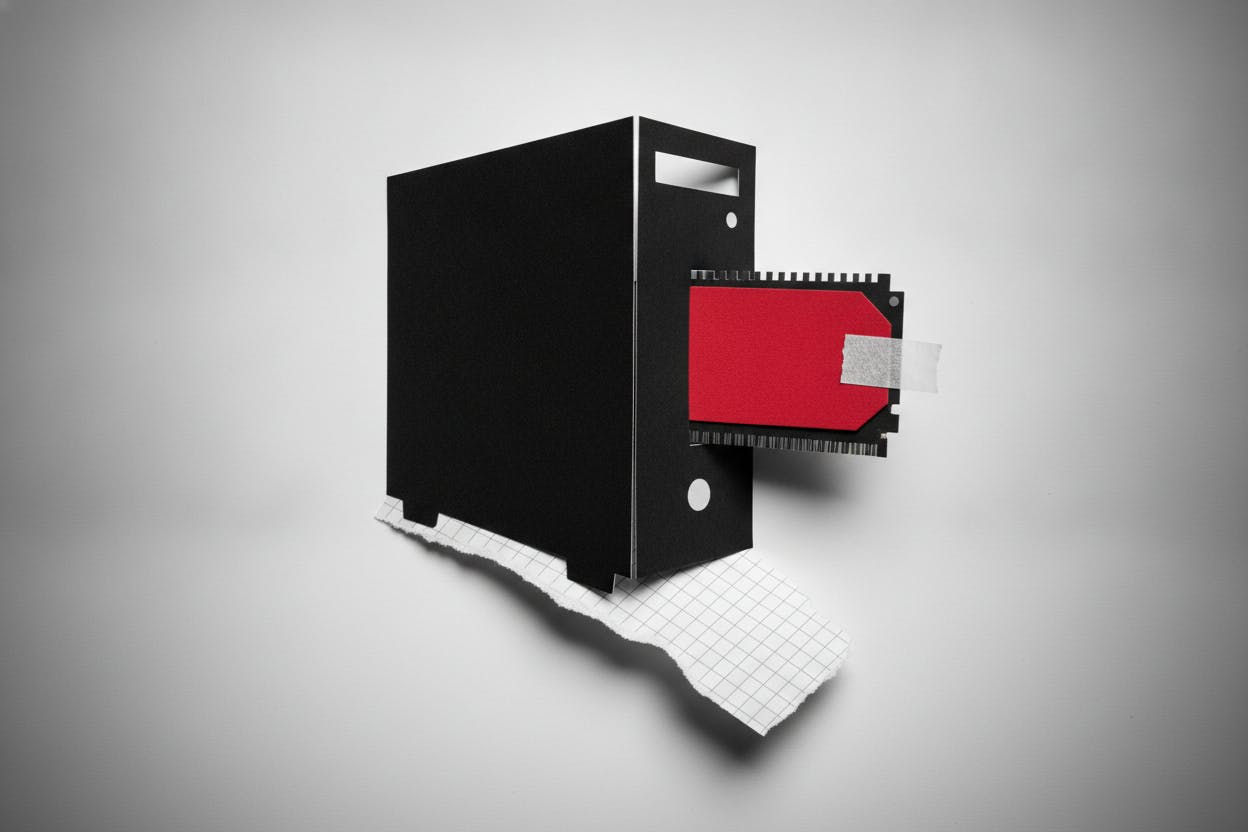
HP Inc. reported third-quarter revenue that topped Wall Street's expectations, but the good news was overshadowed by a familiar problem: rising costs. The company said higher prices for memory chips—the components that store data in computers—ate into the profitability of its personal computer division. Investors reacted sharply, sending the stock down about 9% in after-hours trading.
The sell-off underscores a key tension for HP and other PC makers: they can sell more machines, but if the cost of the parts inside them climbs faster than they can raise prices, profits suffer. For everyday investors, this is a reminder that a company can beat on the top line (revenue) and still disappoint on the bottom line (profit).
Why memory chips matter so much
Memory chips, also known as DRAM and NAND, are essential components in virtually every computer, from budget laptops to high-end gaming rigs. Their prices are notoriously cyclical. When supply is tight—due to factory outages, surging demand, or industry consolidation—costs can spike quickly. That's exactly what happened in recent months, as memory makers cut production and demand for AI-related servers and devices absorbed much of the available supply.
For HP, which sells a massive volume of PCs and printers, even a small increase in component costs can have an outsized impact on margins. The company's PC business is its largest revenue driver, and it operates on relatively thin margins. When memory prices rise, HP has to decide whether to absorb the cost (hurting profitability) or pass it on to consumers (risking lower demand). The market's reaction suggests investors believe HP is struggling to fully offset those higher costs.
This isn't an isolated issue. Other hardware makers, from Dell to Lenovo, face similar pressures. And it's not just PCs—smartphone makers and server manufacturers are also feeling the pinch. The broader lesson is that component costs can be a wildcard for tech companies, even when demand looks healthy.
What the revenue beat actually tells us
HP's revenue beat is a positive sign that demand for its products remains resilient. Consumers and businesses are still buying computers, and the company's focus on higher-margin areas like commercial PCs and services appears to be paying off. But the stock drop shows that investors are looking beyond the headline number. They want to see that HP can maintain its profitability in the face of rising input costs.
This dynamic is similar to what other companies have experienced recently. For example, Qantas saw profits fall as fuel costs climbed, and Kenya Airways' losses widened on the same issue. In each case, the company's revenue story was overshadowed by cost pressures. It's a pattern that investors should watch across industries, especially when input prices are volatile.
For HP, the question now is whether memory-chip prices will stabilize or keep climbing. If they ease, HP could see margins recover quickly, and the stock might bounce back. If they keep rising, HP may need to raise prices more aggressively, which could dampen demand. Either way, the next few quarters will be telling.
What it means for investors
For everyday investors, HP's after-hours drop is a reminder that earnings season is about more than just beating estimates. It's about the quality of the beat—whether it comes from strong demand or from one-time factors—and about the outlook for costs and margins.
If you own HP stock, you might be wondering whether to worry. The company's fundamentals are still solid: it generates steady cash flow, pays a dividend, and has a strong position in the PC and printing markets. But the memory-chip issue is a real headwind that could persist for a while. Investors should keep an eye on HP's next earnings report for any signs that cost pressures are easing or that the company is successfully raising prices.
If you're considering buying HP stock, the 9% drop might look like an opportunity, but it's important to weigh the risks. The PC market is mature, and growth is modest. HP is also facing competition from cheaper rivals and from the shift toward cloud computing, which reduces the need for physical PCs in some settings. On the other hand, the company has been diversifying into services and subscription models, which could provide more stable revenue over time.
Ultimately, HP's situation is a case study in how supply-chain costs can ripple through a company's financials. It's also a reminder that even well-known companies can be vulnerable to factors outside their control. For investors, the key is to stay informed and to look at the whole picture—not just the headline numbers.
As always, this is not a recommendation to buy or sell HP stock. It's an explanation of what happened and why it matters. Your own financial situation and goals should guide any decisions you make.