Hindustan Unilever (HUL), the Indian arm of the global consumer giant Unilever, reported a 6% rise in quarterly profit on Tuesday, but the headline number masks a more worrying trend: costs are still climbing faster than sales. The company warned that commodity inflation is likely to continue in the near term, echoing concerns raised by rival Nestle India.
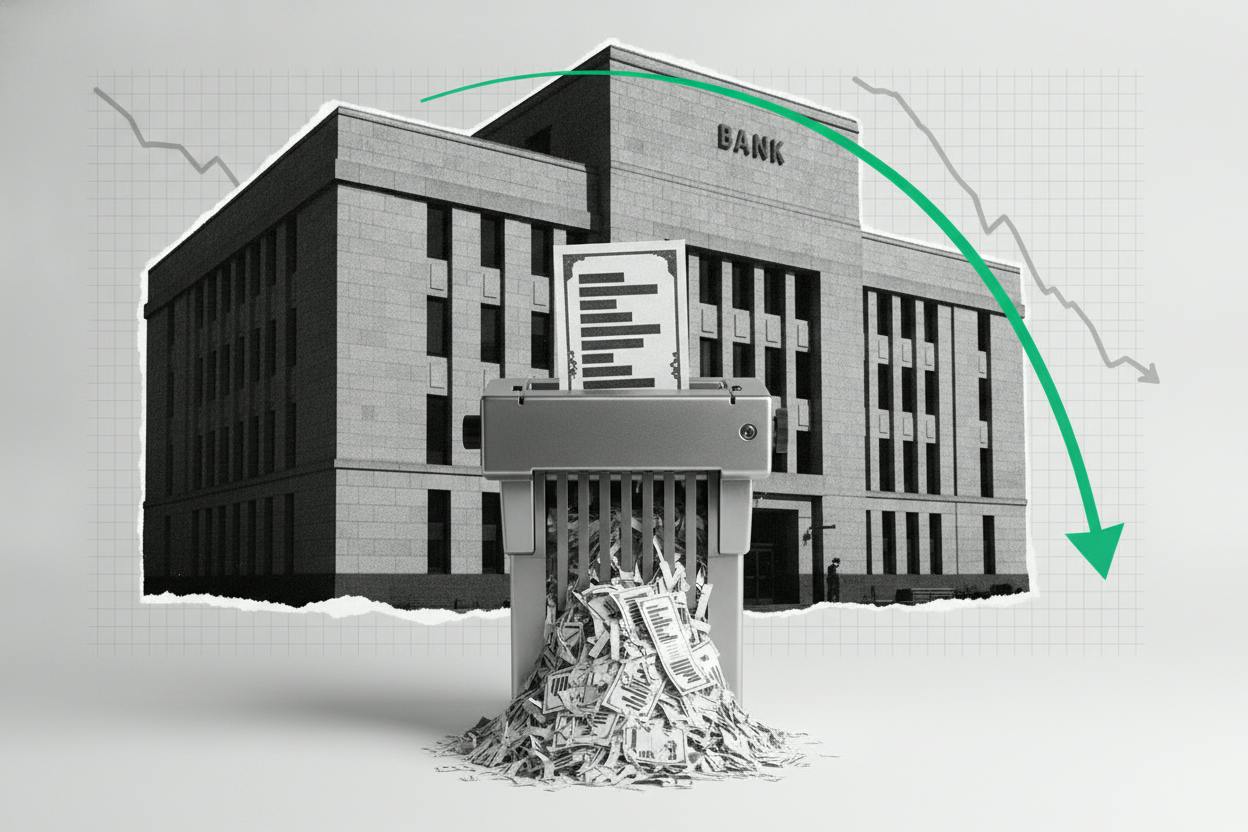
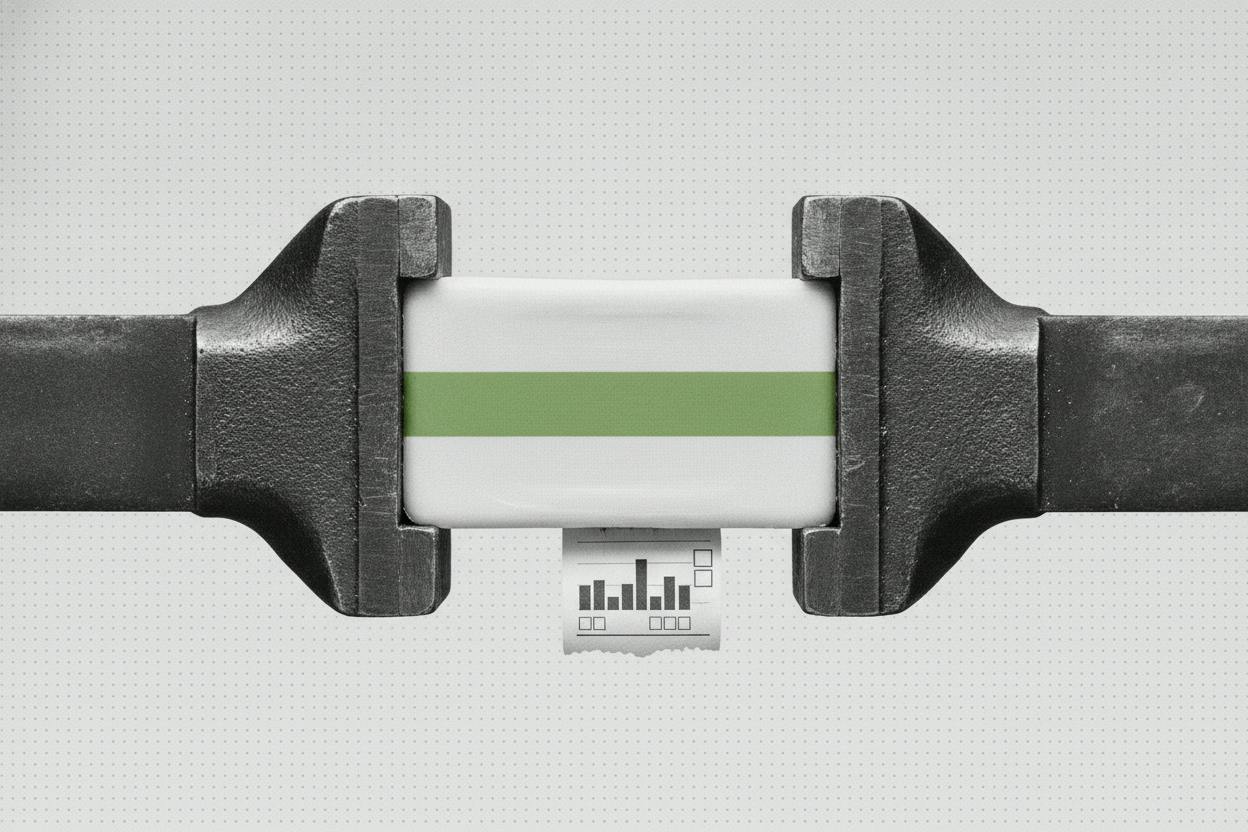
For the quarter ended September 30, HUL's product sales grew 15% to 173.99 billion rupees, with volumes up 7%. That shows shoppers are still buying its soaps, shampoos, and packaged foods. But total expenses jumped 16%, outpacing revenue growth and squeezing the company's core earnings margin by 140 basis points.
Why costs are eating into profits
Consumer staples companies like HUL rely on raw materials such as palm oil, crude oil derivatives, and packaging materials. When these input costs rise, companies face a dilemma: raise prices to protect margins, or hold prices to keep customers loyal. Raising prices too quickly risks pushing budget-conscious shoppers to switch to cheaper local brands—a phenomenon known as "trading down."
HUL's 140-basis-point margin decline shows that, at least for now, the company hasn't been able to fully pass on higher costs to consumers. A basis point is one-hundredth of a percentage point, so a 140-basis-point drop means the margin fell by 1.4 percentage points. For a company with thin margins, that can have an outsized impact on earnings.
The company's warning that commodity inflation will persist in the short term suggests this pressure isn't going away soon. Nestle India, another major player in the Indian consumer market, has also flagged similar concerns, indicating that the cost squeeze is industry-wide rather than specific to HUL.
What it means for investors
For investors, the key number to watch isn't the 6% profit growth—it's the margin squeeze. When expenses grow faster than revenue and management sees no immediate relief from cost pressures, analysts often trim their profit forecasts for the coming quarters. That makes HUL's forward earnings more sensitive to any further cost surprises, even if demand remains solid.
HUL's situation is part of a broader trend in emerging markets, where consumer companies are grappling with sticky inflation. In India, rising oil prices and US yields have pushed bond yields higher, adding to cost pressures across the economy. Similarly, Maruti Suzuki's recent profit miss highlighted that even price hikes haven't been enough to offset rising input costs in the auto sector.
For everyday investors, this means that even well-known consumer brands aren't immune to inflation. While HUL's volumes are still growing, the margin pressure could weigh on its stock price in the near term. Investors should watch how the company manages pricing in the coming quarters—and whether it can protect its profitability without losing customers.
The bigger picture
HUL's results also offer a window into the health of the Indian consumer economy. Strong volume growth suggests underlying demand is resilient, but the cost pressures indicate that inflation is still a challenge for businesses. This is a reminder that consumer confidence can be fragile when prices rise faster than incomes.
For now, HUL's management is staying cautious, warning that commodity inflation will likely continue. That suggests the company may need to raise prices further, which could test consumer loyalty. The next few quarters will be crucial in determining whether HUL can navigate this tricky environment while keeping both its margins and its customers happy.