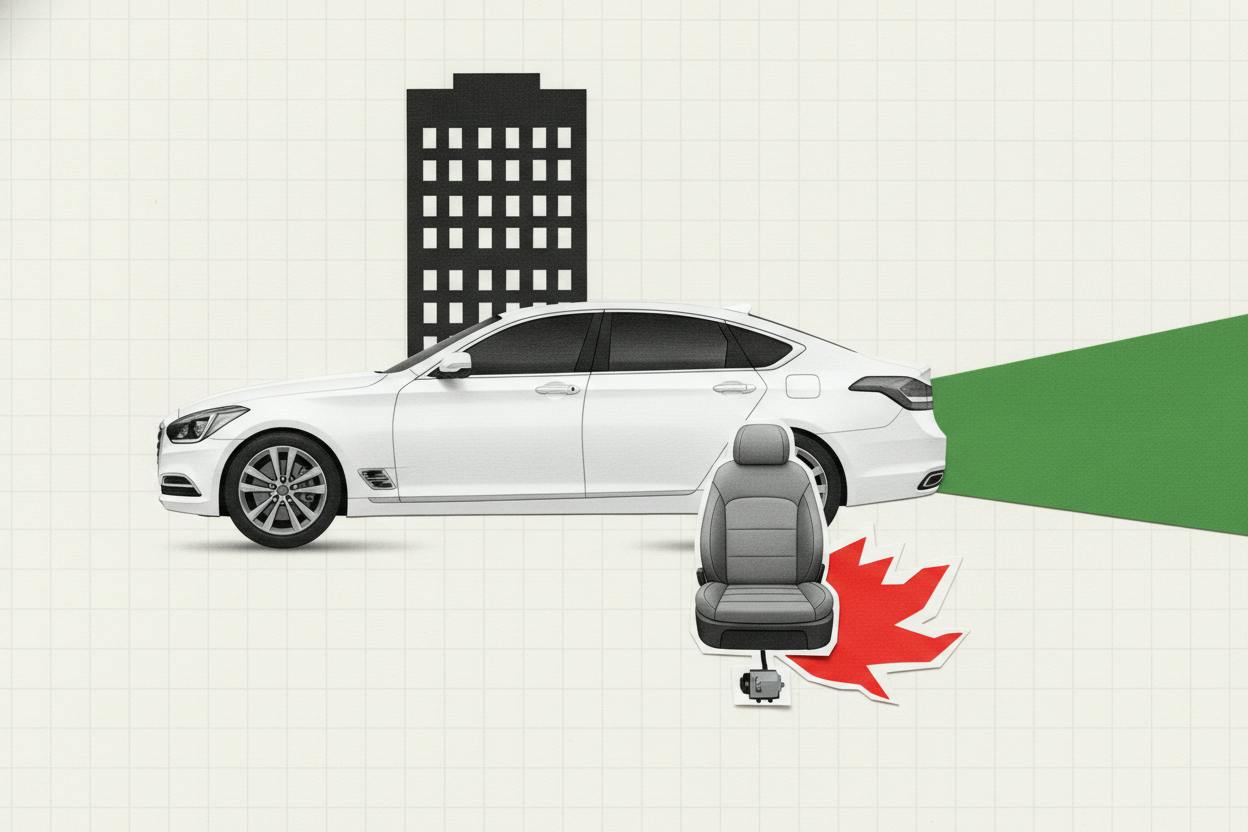
Hyundai Motor America is recalling 94,622 Genesis sedans in the United States after federal safety regulators flagged a defect that could cause a fire. The issue involves the front power-seat switch, which can stick in the "on" position, causing the seat motor to overheat and potentially ignite a blaze.
The recall covers certain 2015-2016 Hyundai Genesis models and 2017-2020 Genesis G80 sedans. The National Highway Traffic Safety Administration (NHTSA), the US auto safety watchdog, identified the problem and urged owners to take precautions immediately.
Why parking outside matters
Because the overheating can occur even when the car is parked and unattended, Hyundai has advised owners to park their vehicles outside and away from buildings or other structures until a remedy is available. This is a standard precaution in fire-risk recalls, as it minimizes the chance of a fire spreading to a home or garage.
The recall is a reminder that even luxury vehicles can face quality and safety issues. Genesis is Hyundai's premium brand, competing with the likes of BMW, Mercedes-Benz, and Lexus. While the brand has earned strong reviews for its vehicles, this recall shows that no automaker is immune to manufacturing defects.
What this means for owners
Owners of affected vehicles should expect to receive a notification from Hyundai with instructions on how to get the repair done. Typically, dealers will inspect and, if necessary, replace the seat switch or motor at no cost to the owner. Until then, following the parking advice is crucial.
For those considering buying a used Genesis sedan from these model years, it's worth checking whether the recall has been completed. You can look up a vehicle's recall status using its VIN on the NHTSA website or the automaker's recall page.
Investor perspective
For investors, recalls are a cost of doing business in the auto industry. They can dent a company's finances through repair expenses, legal settlements, and potential damage to brand reputation. However, the impact is often manageable for large automakers like Hyundai, which has deep pockets and a diversified global business.
Hyundai has been making significant investments to expand its footprint, including a $15.5 billion bet on India covering manufacturing, R&D, and supply chains. That long-term strategy suggests the company is focused on growth, even as it handles short-term issues like this recall.
Recalls can also affect the resale value of affected models, which might be a consideration for current owners. But historically, well-handled recalls—where the fix is quick and free—tend to have a limited lasting impact on a brand's overall sales.
Broader context
This recall is part of a larger pattern of safety-related actions across the auto industry. Regulators are increasingly vigilant about fire risks, especially those linked to electrical components. In recent years, several automakers have issued similar recalls for seat heaters, battery issues, and other electrical problems.
For everyday investors, the key takeaway is that recalls are a normal part of the automotive business. They rarely signal a fundamental problem with a company's financial health, but they can create short-term volatility in the stock price. Investors should watch how quickly Hyundai resolves the issue and whether any further problems emerge.
If you own one of the affected vehicles, the most important step is to follow the safety guidance and get the repair done as soon as parts are available. For investors, this is a reminder to factor in the occasional costs of doing business when evaluating auto stocks.
As always, it's wise to stay informed about any recalls affecting your vehicle. The NHTSA website is a reliable source for the latest safety information.