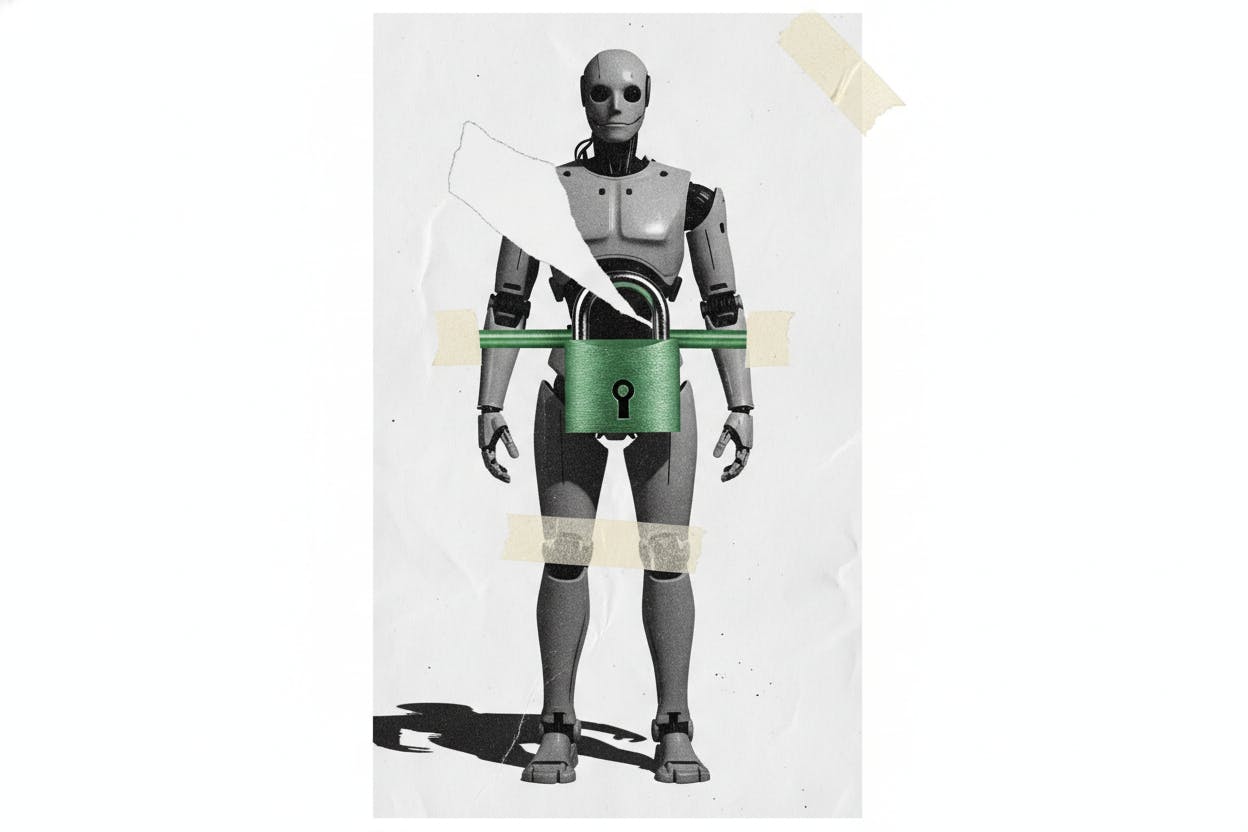
Hyundai Motor Group has announced plans to buy SoftBank's roughly 10% stake in Boston Dynamics, the US robotics company known for its agile humanoid and quadruped robots. The deal would make Boston Dynamics a wholly owned subsidiary of the South Korean automaker, giving Hyundai full control over strategy, budgets, and future plans—including the deployment of the Atlas humanoid robot at a Hyundai plant in Georgia from 2028.
Hyundai already owned 80% of Boston Dynamics after acquiring a controlling stake in 2021. SoftBank held the remaining roughly 20% at that time, but the Japanese tech conglomerate is now selling its stake, which South Korean media has valued at about 500 billion won ($335 million). According to Shin Yoonchul at Kiwoom Securities, a South Korean brokerage, that price implies a valuation of roughly 5 trillion won for Boston Dynamics.
Why Full Ownership Matters
Taking Boston Dynamics private within Hyundai's corporate structure removes the need to accommodate a minority shareholder. That gives Hyundai cleaner control over capital allocation, research and development priorities, and any potential future listing of the robotics unit. For a company like Boston Dynamics, which has yet to generate significant revenue from its advanced robots, having a single parent with deep pockets and a clear industrial vision can speed up product development and commercialization.
The move also aligns with Hyundai's broader push into robotics and automation. The automaker has been investing heavily in future mobility technologies, including autonomous driving, urban air mobility, and robotics. Boston Dynamics' Atlas robot—a humanoid machine capable of running, jumping, and performing complex tasks—is central to Hyundai's vision of using robots in manufacturing and logistics.
Atlas Robot Deployment and Labor Tensions
Hyundai has said it plans to deploy Atlas robots at its plant in Georgia starting in 2028. That timeline is ambitious, given that Atlas is still largely a research platform. But full ownership could allow Hyundai to allocate more resources to turning Atlas into a commercial product.
However, the push into robotics is likely to sharpen tensions with Hyundai's labor union. The union has already expressed concerns about automation displacing workers, and the introduction of humanoid robots on the factory floor could become a flashpoint in future wage negotiations and contract talks. Hyundai will need to manage those relations carefully, especially as it seeks to maintain productivity and cost competitiveness.
What It Means for Investors
For everyday investors, this deal is a reminder that major automakers are increasingly positioning themselves as technology and robotics companies, not just car manufacturers. Hyundai's full ownership of Boston Dynamics gives it a potentially valuable asset in the growing field of industrial robotics, but it also comes with execution risk and labor challenges.
Investors should watch how quickly Hyundai can commercialize Atlas and whether the robot can deliver meaningful cost savings or new revenue streams. The Georgia plant deployment in 2028 is a key milestone, but it's still years away. In the meantime, Hyundai's robotics division will likely remain a cost center, requiring ongoing investment.
The deal also highlights SoftBank's ongoing portfolio reshuffling. The Japanese firm has been selling stakes in various companies to raise cash and focus on core investments like artificial intelligence and semiconductors. SoftBank's exit from Boston Dynamics is part of that broader strategy, and it may free up capital for other bets, such as its reported talks to invest in Seven & i, the operator of 7-Eleven stores, as noted in a recent article.
Broader Market Context
The robotics and automation sector has seen increased interest from both industrial companies and investors. As labor costs rise and supply chains become more complex, companies are looking to robots to improve efficiency. Hyundai's move to fully own Boston Dynamics positions it to compete with other robotics leaders like Tesla, which is developing its own humanoid robot, Optimus.
For investors, the key takeaway is that Hyundai is making a long-term bet on robotics. The full ownership structure gives it the flexibility to pivot quickly, but it also means Hyundai bears all the risk if the technology doesn't pan out as expected. The labor union tensions add another layer of uncertainty, particularly in South Korea, where unions are powerful and have historically resisted automation.
As always, investors should consider how this fits into their broader portfolio. Robotics is a high-growth but high-risk area, and Hyundai's stock price may not reflect the full value of Boston Dynamics for years. Patience and a focus on execution will be critical.