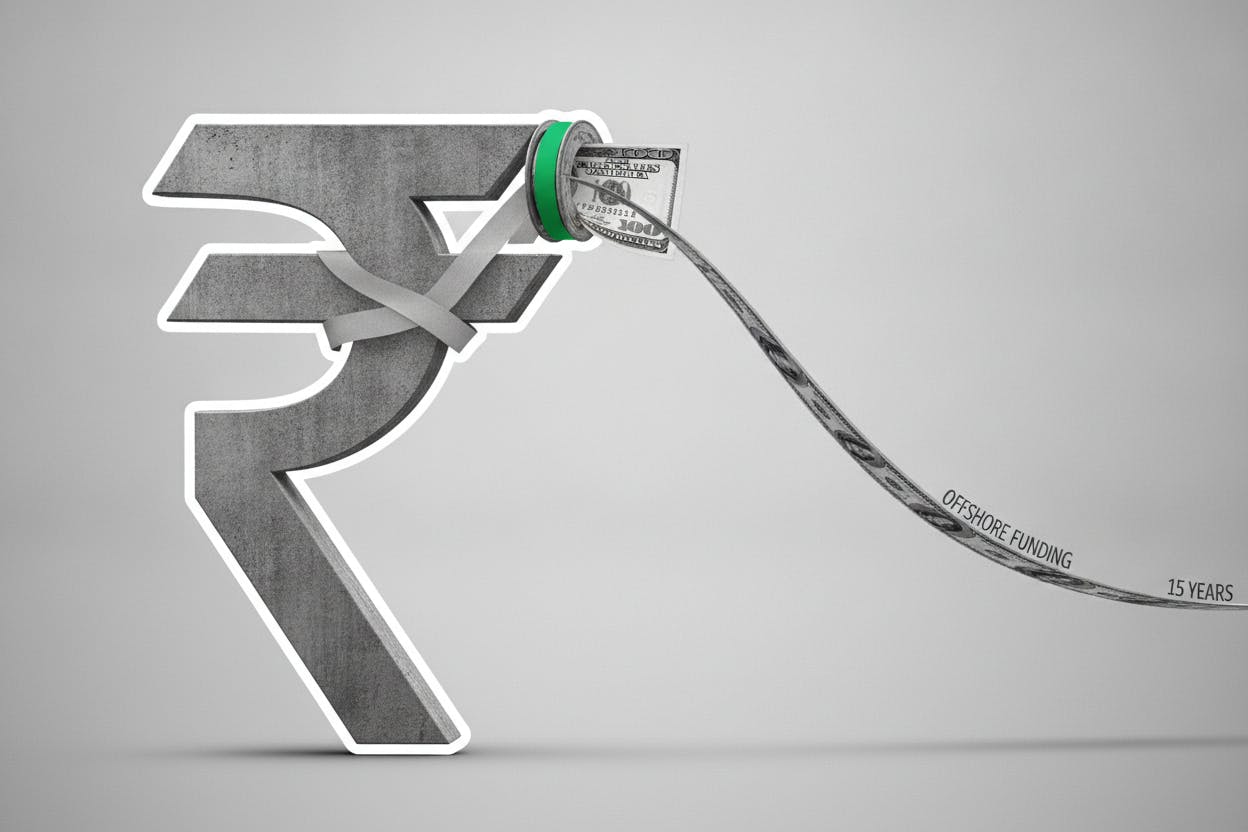
India Infrastructure Finance Company Limited (IIFCL), a state-run lender focused on funding large infrastructure projects, is preparing to raise $1 billion through a 15-year dollar-denominated loan. The loan is expected to carry an interest rate below 7%, a move made possible after the Reserve Bank of India (RBI) introduced incentives that reduce the cost of hedging currency risk for state-linked borrowers.
In addition to the dollar loan, IIFCL is in discussions with the Asian Development Bank (ADB) for a separate facility worth roughly $400 million. The two borrowing plans signal the company's push to secure long-term foreign currency funding at attractive rates, as India's infrastructure sector continues to require massive capital investment.
Why Dollar Loans Are Becoming Attractive for Indian State Borrowers
Indian state-run companies have traditionally relied on domestic rupee borrowing, but dollar loans have gained popularity in recent months. The key driver is the RBI's decision to allow state-linked entities to hedge their foreign currency exposure at a lower cost. Hedging protects borrowers from adverse exchange rate movements, but it adds to the overall cost of borrowing. By subsidizing or easing these hedging requirements, the RBI has made dollar loans more competitive for state-run firms.
IIFCL's planned $1 billion loan, with a 15-year maturity and a sub-7% interest rate, is a clear example of this trend. For context, domestic rupee loans for similar tenors often carry higher interest rates, making dollar funding an attractive alternative when hedging costs are manageable. The move also reflects a broader pattern: Indian companies, both state-run and private, have been increasingly tapping international debt markets to diversify funding sources and lock in lower rates.
Earlier this year, Capri Global Capital announced plans for its first US dollar bond, aiming to raise $300 million, highlighting the growing appetite for foreign currency debt among Indian lenders.
What This Means for Investors
For everyday investors, IIFCL's borrowing plans offer several insights. First, the fact that a state-run infrastructure lender can secure a 15-year dollar loan below 7% suggests that global investors view India's infrastructure sector as a relatively safe bet, backed by government support. This confidence can have a positive ripple effect on other infrastructure-related stocks and bonds.
Second, the RBI's policy shift on hedging costs is a significant development. By making it cheaper for state borrowers to manage currency risk, the central bank is effectively encouraging them to tap international markets. This could lead to a wave of dollar-denominated borrowing by Indian state-run entities, which may increase the supply of Indian corporate bonds in global markets and potentially influence yields.
Investors should also keep an eye on the Indian rupee. A surge in dollar borrowing by Indian companies means more foreign currency inflows, which can help support the rupee's value. However, if the dollar strengthens broadly—as it has recently, with the US dollar heading for its best month since July—the cost of servicing these loans could rise for Indian borrowers. That's why hedging remains crucial.
Broader Market Context
India's infrastructure sector is a key pillar of the government's economic growth strategy. The National Infrastructure Pipeline envisions investments of over $1.4 trillion by 2025, and state-run lenders like IIFCL play a central role in financing roads, ports, power plants, and other large projects. Access to cheap, long-term foreign currency funding helps these lenders offer competitive rates to project developers.
The ADB facility, if finalized, would add another layer of funding stability. Multilateral development banks like the ADB typically offer loans with longer tenors and lower interest rates than commercial banks, making them ideal for infrastructure projects that have long gestation periods.
Meanwhile, Indian stock markets have been relatively steady, with investors monitoring US-Iran talks and Middle East tensions that could affect oil prices and, by extension, India's import bill. A lower oil price environment would be favorable for India's fiscal health and could further support infrastructure spending.
What to Watch Next
Investors should watch for the final pricing and terms of IIFCL's dollar loan, as well as the progress of the ADB facility. If the loan is oversubscribed, it would signal strong global demand for Indian infrastructure debt. Also, any further RBI moves on hedging costs could accelerate the trend of dollar borrowing by state-run entities.
For those holding Indian infrastructure stocks or bonds, IIFCL's successful fundraising could be a positive catalyst, as it may lower overall financing costs in the sector. However, currency fluctuations remain a risk, and the rupee's recent trading range of 94-95 against the dollar underscores the importance of monitoring exchange rate movements.