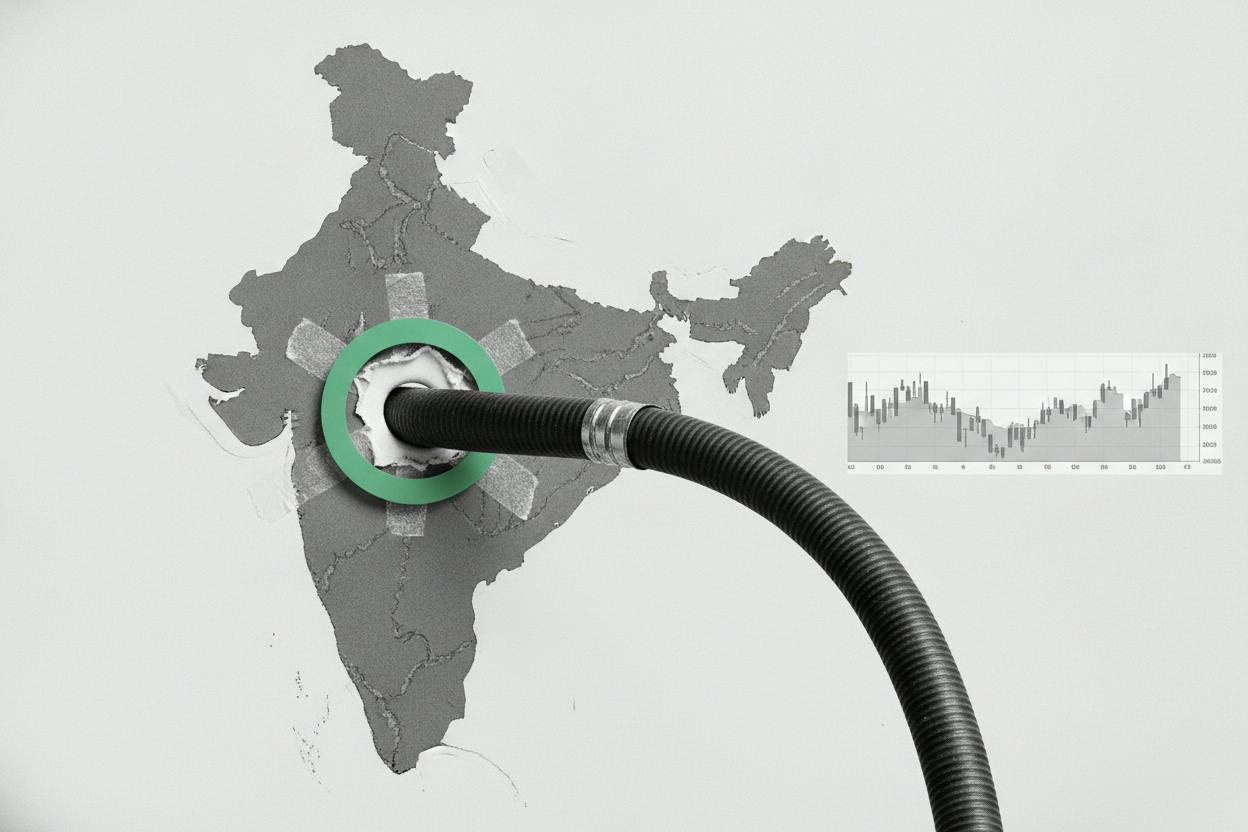
India's biggest fund managers are setting up new "offshore-style" funds in GIFT City, a special financial zone in Gujarat, to give retail investors a fresh route into global markets. The move comes as overseas investing from India neared $2.3 billion in the first half of 2026, according to Reuters, driven by strong demand for international stocks and themes like artificial intelligence that domestic markets cannot fully offer.
GIFT City—short for Gujarat International Finance Tec-City—is India's attempt to build an international financial hub. Funds based there can operate more like offshore funds, with fewer restrictions than those based in Mumbai or other Indian cities. That flexibility is proving attractive to asset managers who want to channel Indian savings into global equities without tripping over existing regulatory limits.
Why the rush?
Indian investors have been increasingly looking abroad for returns, diversification, and exposure to sectors like AI and technology that are underrepresented in local indices. But there is a bottleneck: the Reserve Bank of India (RBI) caps how much mutual funds can invest overseas. The industry is reportedly close to hitting that $7 billion ceiling, with a $1 billion limit per fund manager. When those caps bind, some exchange-traded funds (ETFs) cannot create new units fast enough to meet demand, effectively closing the door to new money.
By setting up funds in GIFT City, managers can bypass those caps and keep serving clients who want global exposure. It is a workaround, but a legal one, and it reflects how strong the appetite for foreign stocks has become.
What it means for investors
For everyday Indian investors, this development is significant. It means more options to invest in global markets, including AI-focused companies, without having to wait for existing fund limits to free up. However, it also comes with caveats. Offshore-style funds may have different tax treatments, currency risks, and fee structures compared with regular domestic funds. Investors should read the offer documents carefully and understand what they are buying.
The broader context is that Indian markets have been volatile, with recent data showing factory output growth cooling to 6.7% in September, missing forecasts. That has made global diversification more appealing to some investors. At the same time, oil prices and US yields have pushed Indian bond yields back above 7.47%, adding to the mixed signals for domestic assets.
For fund managers, the GIFT City route is a way to retain assets that might otherwise flow to foreign platforms or direct stock purchases. It also positions them to compete with global asset managers who are eyeing India's growing pool of savings.
What to watch next
Investors will be watching how quickly these GIFT City funds gain traction and whether the RBI or the Securities and Exchange Board of India (SEBI) respond with new rules. If the caps are eventually raised, the need for such workarounds may diminish. But for now, the trend is clear: Indian money wants to go global, and fund managers are finding ways to make that happen.
This is not the only structural change in Indian markets. The recent Jio Platforms IPO was a landmark event, and Carlsberg's India unit has filed for an IPO, showing that the pipeline of new listings remains active. But for investors focused on global diversification, the GIFT City funds are the more direct story.
As always, it is wise to consider your own financial goals and risk tolerance before jumping into a new fund structure. The availability of these funds does not mean they are right for everyone. But for those who have been frustrated by the limits on overseas investing, GIFT City may offer a welcome escape valve.