India is preparing to change how it counts work. The statistics ministry announced Friday that it wants to overhaul the country's employment survey, adding a clear category for digital-platform (gig) workers and formally tracking unpaid household labor. The new approach is slated to begin in January 2027, with fresh survey samples drawn for the 2027-28 period.
The move comes amid ongoing questions about whether official data fully capture underemployment and job quality, even as the headline unemployment rate hovers around 5%. The current survey, many economists argue, misses significant chunks of work that don't fit traditional definitions—like gig jobs found through apps, or unpaid caregiving and housework that mostly falls on women.
What the new survey would cover
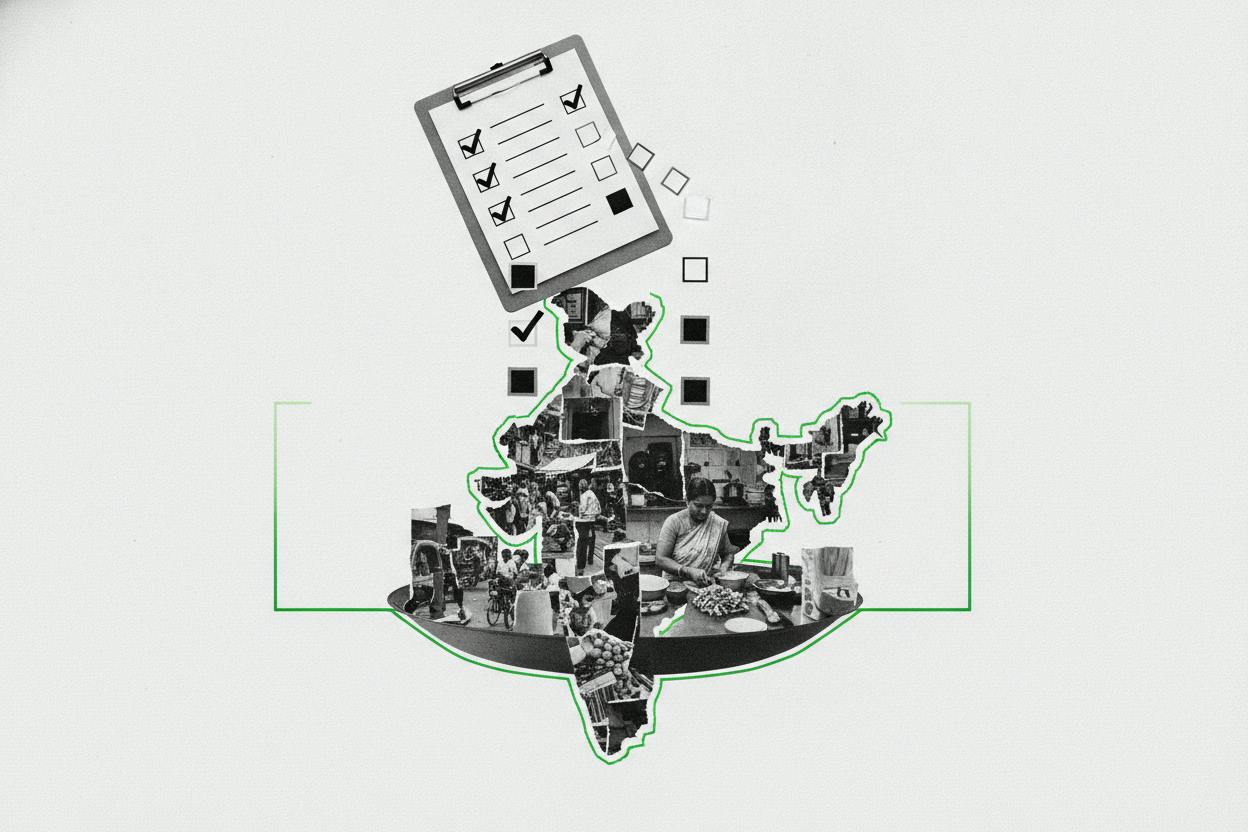
Under the proposed changes, the survey would ask rural and urban households about their involvement in digital platform work—think driving for ride-hailing apps, delivering food, or doing freelance tasks online. It would also add questions on what statisticians call “own-use production,” which means making goods for your own household, as well as unpaid housework, caregiving, volunteer work, and unpaid trainee work.
These activities have long sat outside standard job definitions, which typically count only work done for pay or profit. By bringing them into the survey, India hopes to get a fuller picture of how people actually spend their time and contribute to the economy.
But not everyone is convinced the plan goes far enough. Labor economist K.R. Shyam Sundar called it only “half a step,” noting that many gig workers find jobs outside of apps—through informal networks or direct arrangements—and would still be missed by a survey focused on digital platforms.
The trade-off: better data, trickier comparisons
Changing survey methods comes with a cost: it can break clean comparisons with past data. If the questions change, the numbers from before and after the revamp may not be directly comparable. That's a familiar problem for economists and analysts, who often have to treat data from different survey designs as separate series.
India is trying to limit that disruption by drawing fresh samples for 2027-28 that reflect urbanization and changes in administrative boundaries. The ministry is also asking the public and experts for feedback within 15 days, giving stakeholders a chance to weigh in before the final design is locked in.
What it means for investors
For markets, the most immediate impact could be statistical rather than economic. If India eventually uses these new unpaid-work measures in its national accounts, expanding what counts as “production” could lift headline GDP—simply because more activity falls inside the measurement boundary. That doesn't mean the economy suddenly got bigger; it means the yardstick changed.
That matters because key indicators investors and policymakers watch are built on GDP. Debt-to-GDP and fiscal-deficit-to-GDP ratios can shift mechanically even if actual borrowing and spending don't change. A higher GDP denominator could make those ratios look more favorable, which might influence credit ratings, bond yields, and investor sentiment.
The other wrinkle is continuity. With the revamp starting in January 2027 and new samples for 2027-28, analysts may have to treat pre- and post-change numbers like two series stitched together. That's similar to how they handle big GDP base-year and methodology updates, which often cause revisions and require careful interpretation.
For everyday investors, the takeaway is that India's labor market data is about to get more nuanced—but also less directly comparable to the past. That could affect how economic reports are read in the coming years, especially if the new measures feed into GDP calculations.
In the meantime, the broader backdrop remains one of steady growth, with India's economy expanding at a healthy clip. For context, recent data on India's October flash PMIs pointed to continued expansion in the private sector. And while oil prices have been a source of concern—crude at $114 dragged Indian stocks lower for a fourth straight session—the jobs survey revamp is a longer-term structural story.
Investors should watch how the consultation process unfolds and whether the new measures eventually make their way into national accounts. If they do, expect some statistical noise in GDP and debt ratios, but not necessarily a change in the underlying economy.
For now, the key date to mark is January 2027, when the new survey is set to begin. Until then, the debate over how India counts work—and what that means for its economic story—will continue.