Indian stocks slipped on Monday, with the Nifty 50 extending its losing streak to five sessions as elevated oil prices and a newly introduced closing auction weighed on market sentiment. The benchmark index ended down 0.32%, while the Sensex fell 0.36%, according to the latest trading data.
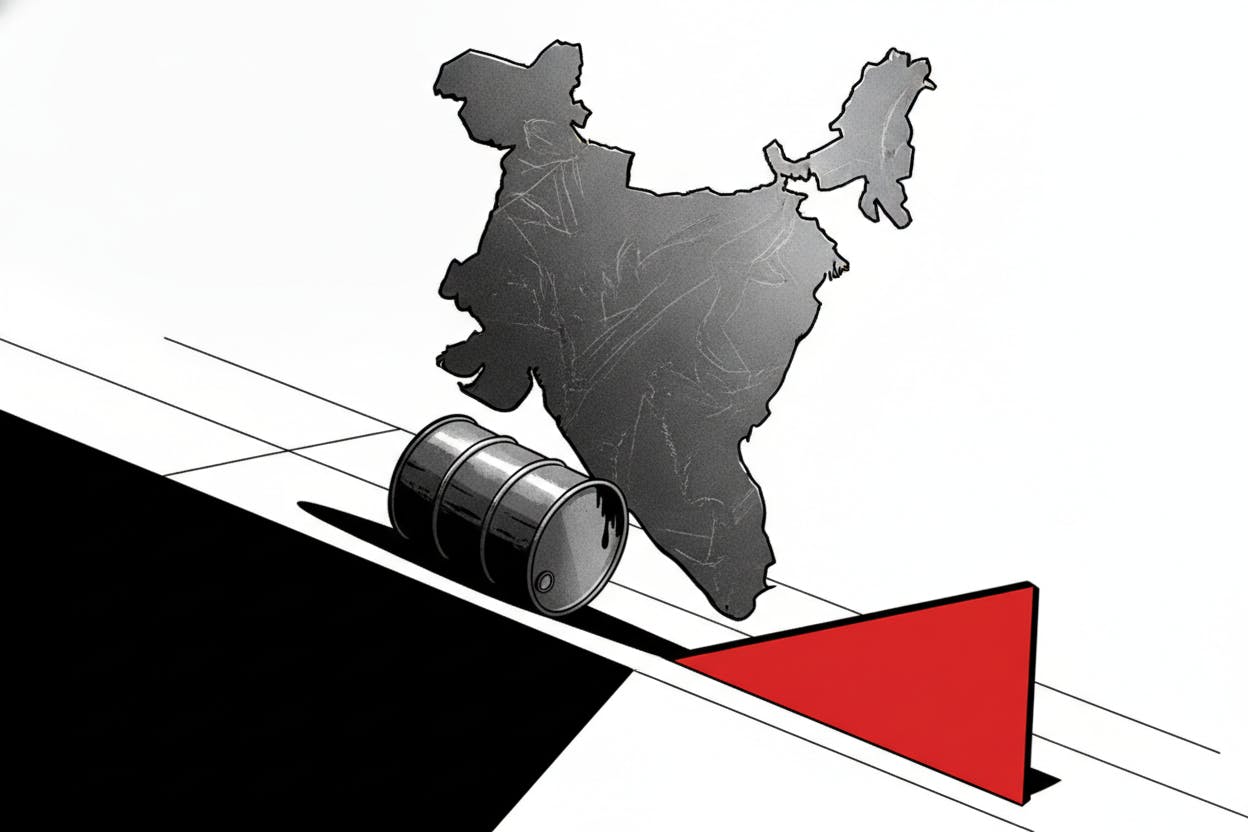
Brent crude, the international oil benchmark, hovered near $89 a barrel, rising about 1% on the day. For India, a major importer of crude oil, persistently high prices are a familiar headache: they can widen the trade deficit, stoke inflation, and put pressure on the rupee. The lack of any clear cooling in the Iran conflict has kept oil prices elevated, adding to the cautious mood among investors.
What's behind the slide?
The decline was not uniform across the market. Beneath the surface, nine of the 16 major sectoral indices dropped, but mid-cap and small-cap stocks managed to eke out gains, suggesting that investors were selectively picking stocks rather than exiting en masse. This divergence often indicates that while large-cap benchmarks are under pressure, some investors are still willing to take on risk in smaller companies.
One notable factor in Monday's session was the new closing auction mechanism, which appears to have pulled the main indexes lower into the final print. Closing auctions, which determine the official closing price of a stock, have been introduced in several markets to reduce end-of-day volatility. However, they can also amplify moves if large orders are placed in the final minutes. In this case, the auction appears to have added to the downward pressure on the benchmarks.
Oil's impact on India's economy
For everyday investors, the link between oil prices and Indian stocks is worth understanding. India imports about 80% of its crude oil needs, so when global prices rise, the cost of everything from fuel to transportation and manufacturing goes up. This can feed into inflation, which in turn may prompt the central bank to keep interest rates higher for longer—a headwind for stock valuations.
Higher oil prices also widen India's trade deficit, as the country spends more on imports. This can weaken the rupee, making foreign investors less inclined to put money into Indian assets. The recent rise in Brent, driven by geopolitical tensions in the Middle East, is therefore a key macro risk for the Indian market.
The situation in the Middle East has been a recurring theme for global markets. As Gulf stocks have shown, shipping disruptions and stalled peace talks keep energy markets on edge. For India, any escalation that pushes oil higher could prolong the current market weakness.
What it means for investors
For investors, the key takeaway is that oil prices and the new closing auction are adding to near-term volatility. The Nifty's five-day losing streak is a reminder that markets do not move in a straight line, and that external factors like commodity prices can quickly shift sentiment.
That said, the mixed performance beneath the indexes—with mid-caps and small-caps gaining—suggests that not all sectors are being sold off. Investors may want to focus on companies that are less sensitive to oil prices, such as those in the technology or consumer sectors, rather than those in energy-intensive industries.
The closing auction is a structural change that could affect how investors trade. While it is designed to improve price discovery, it can also lead to larger end-of-day swings. Investors should be aware of this when placing orders near the close.
Looking ahead, much will depend on the trajectory of oil prices and any developments in the Middle East. As European stocks have shown, geopolitical worries can weigh on markets globally. For India, a sustained drop in oil prices could provide relief, but until then, the market may remain under pressure.
In the broader context, Indian equities have been on a strong run over the past year, but recent sessions highlight how quickly sentiment can change. The cooler US inflation data that lifted Asian markets recently has not been enough to offset oil-related concerns in India.
For now, investors should keep an eye on oil prices and the closing auction's impact on daily trading. While the current slide may be unsettling, it is part of the normal ebb and flow of markets. As always, a diversified portfolio and a long-term perspective remain the best defense against short-term volatility.