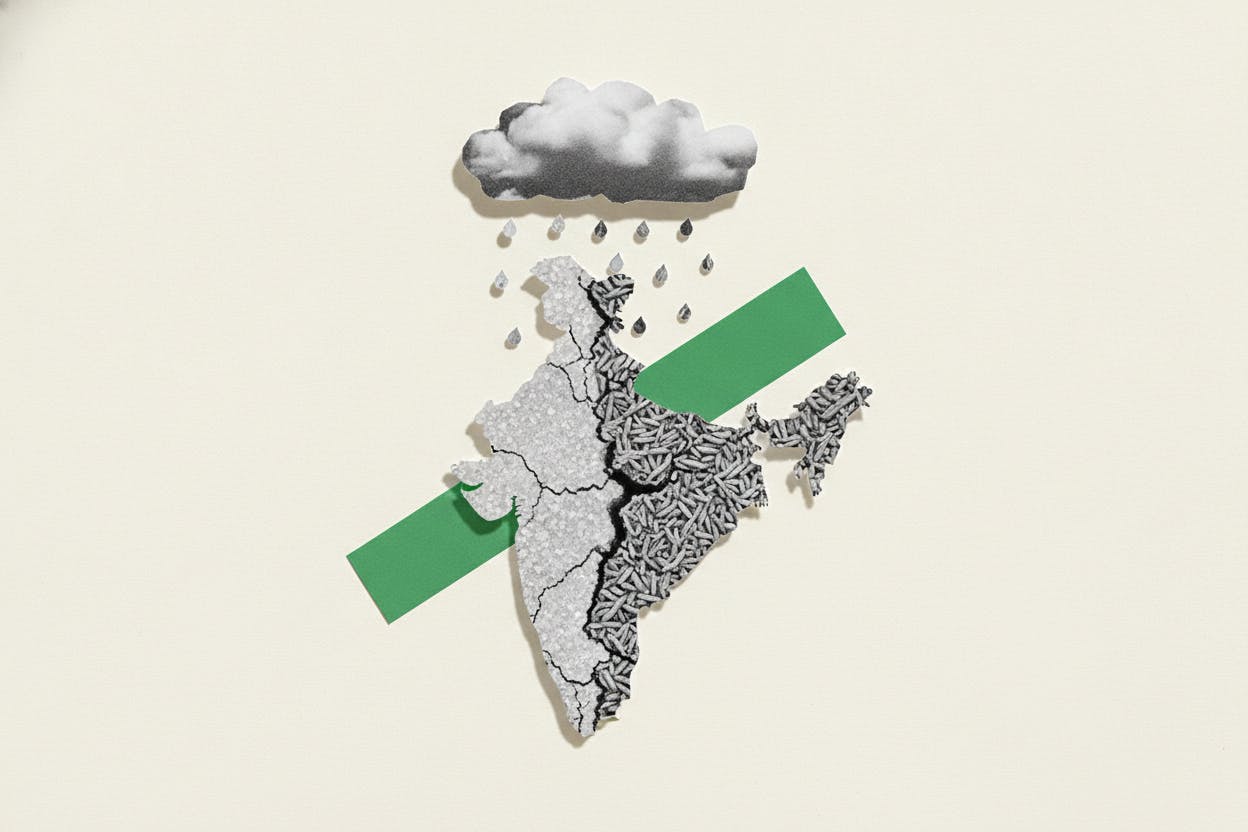
India's uneven monsoon is starting to ripple through food-commodity markets, and investors are taking notice. On Monday, rice exporters jumped 8% to 9%, while sugar stocks continued their sharp climb, with some names up as much as 51.5% this month, according to Reuters. The moves reflect growing concerns that below-normal rainfall could dent the new-season crop, tightening supply and pushing prices higher.
Why the monsoon matters
India's monsoon season, which runs from June to September, is the lifeblood of its agriculture sector. About half of the country's farmland depends on rain for irrigation, and crops like rice and sugarcane are particularly sensitive to rainfall levels. When the monsoon is weak or uneven, farmers may plant less or see lower yields, which can reduce the overall harvest.
This year, the monsoon has been patchy. Barclays Research put season-to-date rainfall at 13% below the long-period average as of August 23, adding to worries about yields. That shortfall is significant because it comes at a critical stage of the growing season. If the rains don't pick up soon, the damage to crops could be more severe.
Demand is also doing its part
Weather is the backdrop, but demand is doing some of the work too. Reuters reported that Indian rice export prices hit a one-year high last week, driven by stepped-up purchases from African buyers. These buyers are likely stocking up ahead of potential supply shortages, which in turn pushes prices even higher.
For sugar, the story is similar. With the monsoon shortfall threatening cane yields, traders are pricing in tighter supply. That has fueled a rally in sugar stocks, which have been on a tear this month. Some names are up more than 50%, a striking move for a sector that often moves more slowly.
What this means for investors
For everyday investors, the rally in rice and sugar stocks is a reminder that weather can be a powerful driver of commodity prices and, by extension, company profits. When supply is expected to tighten, companies that produce or export these goods can benefit from higher prices, even if their costs also rise.
But it's important to keep perspective. These moves are often volatile and can reverse quickly if the monsoon improves or if demand softens. Investors should also consider that higher food prices can feed into inflation, which could influence central bank policy. In India, the Reserve Bank of India watches food prices closely, and a sustained rise could complicate its efforts to manage inflation.
For those with exposure to Indian equities, the rally in these stocks is a sector-specific story, not a broad market trend. While Indian stocks are eyeing a higher open, other factors like oil prices and global tensions are also in play. The rupee, for instance, has been stuck in a tight range as oil costs clash with RBI dollar sales, which can affect the competitiveness of exporters.
What to watch next
Investors will be watching the monsoon's progress closely over the coming weeks. Any significant improvement in rainfall could ease supply concerns and cool off the rally. Conversely, a continued shortfall could push prices and stocks even higher.
Also on the radar are global factors. For instance, European stocks are edging lower as Nvidia earnings and Iran sanctions loom, which could affect risk sentiment across emerging markets. And yields are swinging, which can influence capital flows into India.
For now, the market is pricing in a tighter supply outlook. Whether that proves accurate depends on the weather, but for rice and sugar investors, the monsoon is the story to watch.