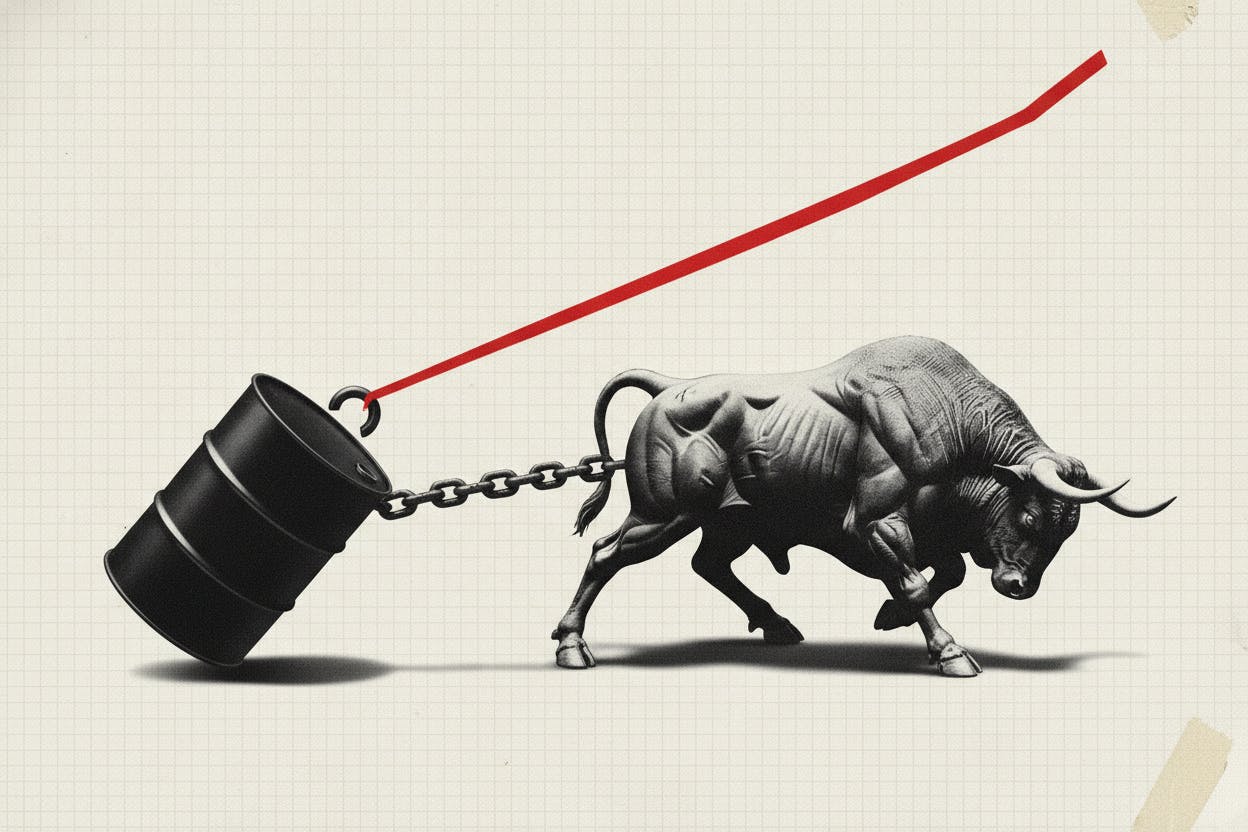
Indian equities are poised for a marginally higher open on Tuesday, according to Nifty futures, but the mood remains cautious as traders await a US press conference that could signal new sanctions on Iran. With Brent crude hovering near $93 a barrel, oil has become the main lens through which investors are viewing the market.
The trigger for the latest bout of caution is a scheduled address by US Treasury Secretary Scott Bessent at 1800 GMT. Bessent has floated the idea of imposing “the toughest sanctions in history” on Iran, a headline that can keep a supply-risk premium in crude prices even before any concrete policy changes are announced.
Why oil matters so much for India
India is the world's third-largest crude importer, so any sustained rise in energy prices quickly feeds into the country's import bill. That, in turn, raises concerns about inflation, which can influence the central bank's interest rate decisions and corporate profit margins.
When investors worry that inflation might stay elevated, they often become more cautious about paying up for stocks, especially in sectors that are sensitive to input costs. This is why the oil price has become a key barometer for Indian market sentiment in recent weeks.
The situation is not unique to India. Across the Gulf, UAE stocks have diverged as the US prepares new pressure measures on Iran, while shipping slowdowns near the Strait of Hormuz have rattled markets in the region. Any disruption to oil flows through that vital chokepoint would have global repercussions.
What traders are watching next
The immediate focus is on Bessent's press conference. If the US announces concrete sanctions, oil prices could spike further, putting additional pressure on Indian equities. Conversely, if the rhetoric is softer than expected, crude might ease, giving the market some breathing room.
Investors are also keeping an eye on broader global cues. Stocks slipped earlier as threats of wider Iran sanctions and climbing yields weighed on sentiment. A recent rebound helped recover some losses, but weekly losses lingered as yields swung.
For Indian investors, the key takeaway is that oil remains a dominant force in the near-term direction of the market. A sustained move above $93 could heighten inflation worries, while a pullback would likely be welcomed by equity bulls.
What it means for your money
For everyday investors, the practical implication is to be aware that oil-driven volatility can affect portfolio values, especially in sectors like airlines, paints, and other industries with heavy fuel or raw material costs. However, it's important not to overreact to a single day's headlines.
Sanctions talk is often just that—talk—until concrete measures are announced. Even if new sanctions are imposed, the actual impact on oil supply and prices will depend on how strictly they are enforced and how other producers respond.
Long-term investors should focus on their asset allocation and time horizon rather than trying to time the market based on oil price swings. Keeping a diversified portfolio that includes sectors less sensitive to energy costs can help cushion the impact of oil-related turbulence.
As always, it's wise to stay informed but avoid making impulsive decisions based on short-term market noise. The situation is fluid, and the market's reaction to the US announcement will provide clearer signals in the coming days.



