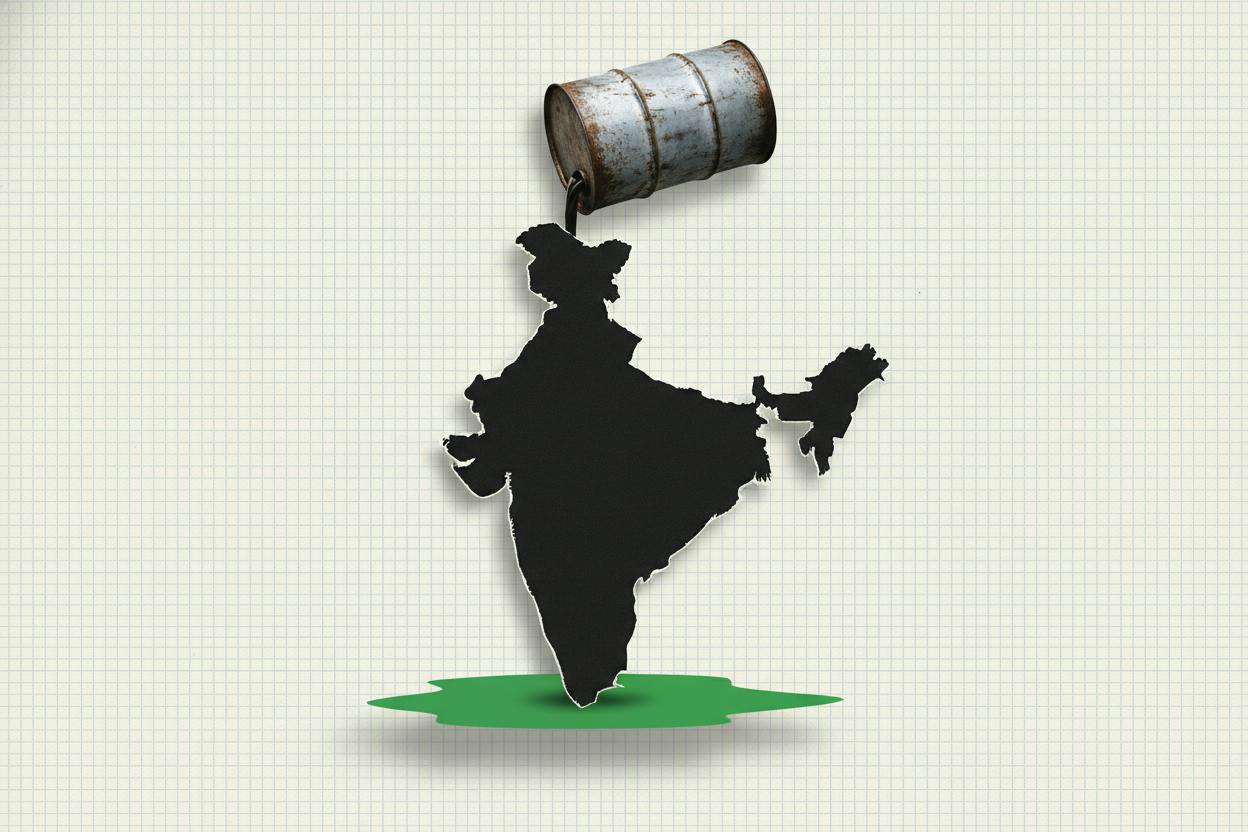
Indian equities are expected to open higher on Thursday, buoyed by a slide in global oil prices and sustained buying by foreign investors. Brent crude, the international benchmark, fell to a two-month low, providing relief to one of the world's largest oil importers.
Oil's slide and its impact on India
Brent crude dropped about 1% to roughly $93.5 a barrel, following an 8.7% decline in the previous session. The sharp fall in oil prices is significant for India, which imports over 80% of its crude oil needs. Cheaper oil reduces the country's import bill, which can help cool fuel-driven inflation and improve the fiscal outlook.
Lower oil prices also tend to ease pressure on the rupee and reduce the cost of subsidies for fuels like diesel and LPG. For Indian companies, particularly in sectors like aviation, paints, and FMCG, lower input costs can boost margins. However, oil producers and related energy firms may see their revenues dip.
The recent decline in crude is part of a broader global trend, with Australian shares also set to bounce on similar oil weakness. The drop has been attributed to concerns about slowing global demand and easing supply disruptions.
Foreign investors keep buying
Foreign institutional investors (FIIs) bought Indian shares worth 72.84 billion rupees (about $875 million) on Wednesday, marking their fourth consecutive session of net purchases. This sustained buying is a positive signal for the market, as foreign flows often drive sentiment and liquidity.
The return of foreign investors follows a period of heavy selling earlier in the year, driven by rising US interest rates and a stronger dollar. Now, with oil prices cooling and the dollar softening, emerging markets like India are becoming more attractive. The recent rally in Indian bonds also reflects easing inflation fears, which could support further foreign inflows.
What it means for investors
For everyday investors, the combination of lower oil prices and steady foreign buying is generally a positive backdrop for Indian stocks. Cheaper crude can reduce inflation, which may prompt the central bank to pause or even reverse its rate hikes. Lower interest rates are typically good for equities, especially for growth-oriented sectors.
However, investors should be cautious. Oil prices can be volatile, and the current slide may not last. Geopolitical tensions or supply cuts by major producers could quickly reverse the trend. Additionally, while foreign buying is supportive, domestic factors such as corporate earnings and monsoon progress will also influence market direction.
Investors should watch for cues from global markets, particularly the US, where tech stocks have been under pressure. The recent slide in Korea's KOSPI highlights how US tech weakness can spill over to Asian markets. A sustained recovery in oil prices could also weigh on sectors that benefit from low crude.
Broader market context
The Indian market has been resilient this year, with the benchmark Nifty 50 hitting record highs. However, valuations remain elevated, and any negative surprise could trigger a correction. The slide in oil is a welcome development, but investors should remain diversified and avoid making impulsive decisions based on short-term moves.
For those looking at specific sectors, lower oil prices could benefit consumer-facing companies, airlines, and paint manufacturers. On the other hand, energy stocks like oil refiners and explorers may see some pressure. It's always wise to focus on long-term fundamentals rather than trying to time the market.
As always, consult with a financial advisor to understand how these developments fit into your personal investment strategy.