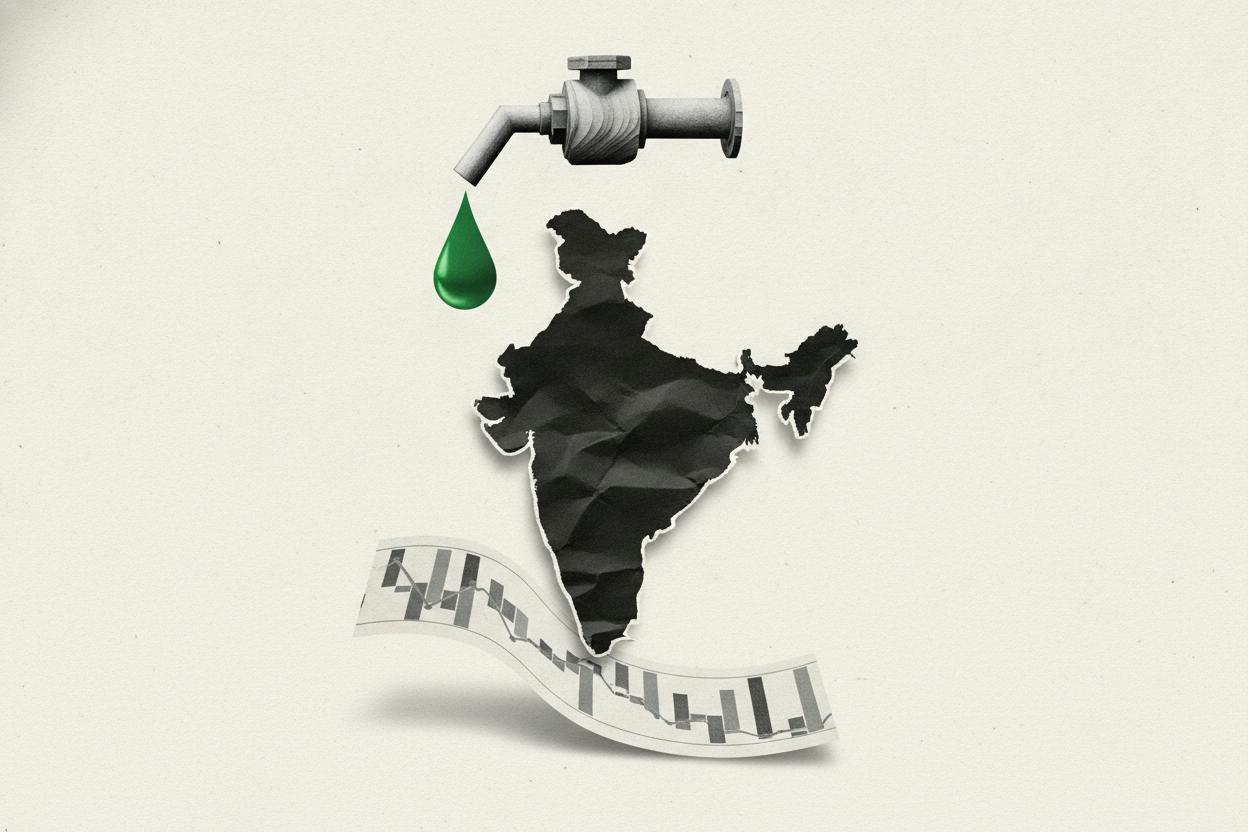
Indian stocks finally caught a breather on Monday, with the Nifty 50 and Sensex each rising about 0.6% after eight consecutive weekly declines. The rebound came as oil prices pulled back and softer-than-expected US jobs data eased worries that the Federal Reserve might hike interest rates again.
The Nifty 50 closed up 0.56% and the Sensex gained 0.62%, according to Reuters. The move snapped the longest weekly losing streak for India's blue-chip indexes in 25 years, a stretch that had been driven by heavy foreign selling, elevated crude prices, and a jump in global bond yields.
Why the selloff ran so long
For most of the past two months, Indian equities have been under pressure from a familiar set of forces. Foreign institutional investors have been net sellers, pulling money out of emerging markets as US bond yields climbed and the dollar strengthened. Higher yields in the US make dollar-denominated assets more attractive, which often leads global investors to reduce their exposure to riskier markets like India.
Oil has been another key drag. India imports the vast majority of its crude oil, so when prices spike, the country's import bill swells. That can widen the current account deficit, stoke inflation, and put downward pressure on the rupee. All of that tends to make foreign investors nervous and can push local bond yields higher.
Monday's bounce had a technical element as well. Kotak Securities, a local brokerage, noted that the selloff had left the market "oversold," a condition that often sets up a short-term rebound. But the more important drivers were macro: a pullback in crude and a US jobs report that came in cooler than expected.
What softer US data means for India
When US economic data cools, traders often start pricing in a slower path for Federal Reserve interest rates. That can pull global bond yields and the dollar lower, which reduces the "financing squeeze" on emerging markets. For India, that means less pressure on the rupee and local bond yields, and it can make Indian stocks look more attractive relative to US assets.
The jobs data also fed into a broader global mood. As European stocks rebounded on the same news, the tone across markets turned more risk-friendly. The S&P 500 also saw a jobs-driven bounce on Friday, though it still ended the week slightly lower.
Oil is the other big lever for India. Cheaper crude lowers the import bill, which helps the current account — a broad measure of money flowing in and out of the country. It can also take pressure off inflation, the rupee, and local bond yields. That's one reason financial stocks, which are sensitive to interest rates and funding conditions, led Monday's move.
What it means for investors
For everyday investors, the key takeaway is that Monday's bounce is a relief rally, not necessarily a turning point. After eight down weeks, a rebound can happen quickly, but the bigger question is whether the underlying pressures — foreign selling, a strong dollar, and higher bond yields — actually start to ease.
If softer US data continues to push rate expectations lower, global yields may settle and the dollar could cool. At the same time, lower crude prices can improve India's inflation outlook and external balance, which can steady the rupee and Indian government bond yields. Those are the indicators to watch because they feed directly into how investors value stocks.
Calmer rates and currency markets typically help rate-sensitive sectors like banks, which did much of the lifting on Monday. But if foreign selling resumes or oil prices climb again, the pressure could return. As analysts noted ahead of the open, the market was due for a technical bounce, but the sustainability of any recovery depends on the macro backdrop.
For now, investors should watch global bond yields, the dollar, and crude prices as the main signals. A continued cooling in US inflation and jobs data could keep the Fed on hold, which would be a positive for emerging markets. But until those trends are confirmed, Monday's gains look more like a pause than a reversal.